
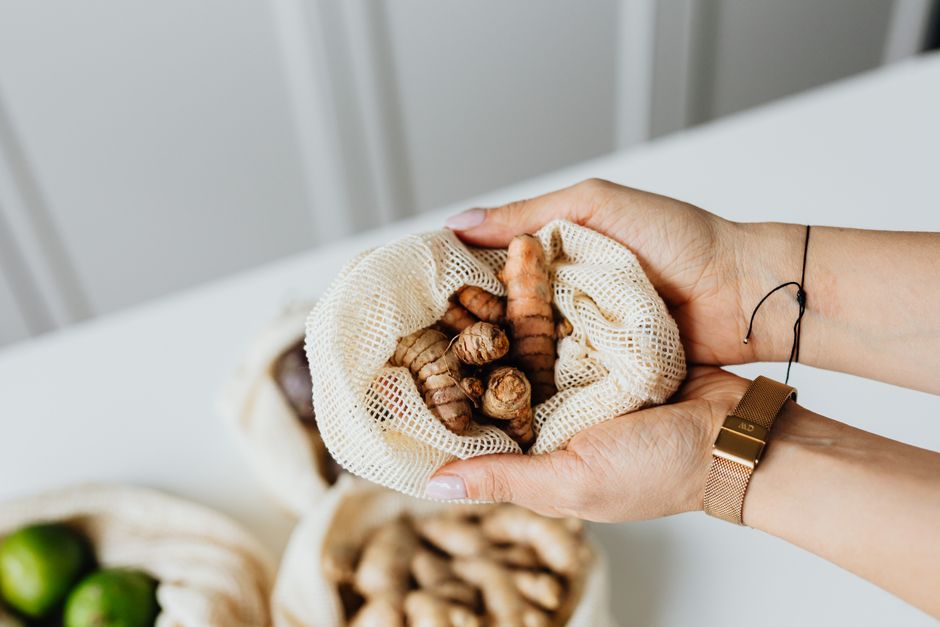
Ginger, turmeric, and lemon are three common kitchen staples that people often combine into teas, shots, and warm drinks for health purposes. Each one has its own distinct effects on the body, and together they offer a mix of anti-inflammatory, antioxidant, and digestive benefits. The combination is not a cure for any disease, but it does support normal body functions in ways that are worth understanding.
What Does Ginger Turmeric And Lemon Do To The Body?
Ginger, turmeric, and lemon work through different biological pathways. Ginger and turmeric are both roots with active compounds that reduce inflammation. Lemon provides vitamin C and other antioxidants. When combined, they support digestion, reduce oxidative stress, and help the body manage inflammation.
None of these ingredients treat or cure illness on their own. But the evidence for their individual benefits is solid enough that many people include them in a daily routine for general wellness.
How Ginger Affects Digestion and Nausea
Ginger has the strongest evidence base of the three for digestive health. Research consistently shows that ginger helps relieve nausea from motion sickness, pregnancy, and chemotherapy. The active compounds, called gingerols, stimulate the digestive tract and speed up gastric emptying.
For people who feel bloated or sluggish after meals, ginger can help move food through the stomach faster. This is why ginger tea is a common recommendation after heavy meals. The effect is mild but real, and it happens within about 30 to 60 minutes of consumption.
Ginger also reduces muscle pain after exercise. Some studies have found that taking ginger daily for several weeks reduces delayed-onset muscle soreness. The effect is modest, not dramatic, but it is consistent across multiple trials.
Turmeric’s Anti-Inflammatory Properties
Turmeric contains curcumin, the compound responsible for its bright yellow color and most of its health effects. Curcumin is a well-studied anti-inflammatory agent. It works by blocking several inflammatory pathways in the body, including the COX-2 enzyme that many pain medications target.
The challenge with turmeric is absorption. Curcumin is poorly absorbed when eaten alone. The body metabolizes it quickly and excretes most of it. This is why many turmeric supplements include black pepper extract, which contains piperine. Piperine increases curcumin absorption by up to 2,000 percent in some studies.
When you make a turmeric tea or shot at home, you are getting real curcumin but in small amounts. The anti-inflammatory effect is real but subtle. For people with chronic inflammatory conditions like arthritis, the research is mixed. Some studies show modest pain reduction, while others show no significant benefit over placebo.
Lemon’s Role in Vitamin C and Antioxidant Support
Lemon is primarily valued for vitamin C, also called ascorbic acid. One lemon contains about 30 to 40 percent of the daily recommended intake of vitamin C. This vitamin is essential for immune function, collagen production, and protecting cells from oxidative damage.
Vitamin C does not prevent colds, despite the common belief. Research shows that taking vitamin C regularly does not reduce the chance of catching a cold. It may shorten the duration of a cold by about 8 percent in adults, which is a small but measurable effect.
Lemon also contains flavonoids, which are antioxidant compounds. These help neutralize free radicals in the body. Free radicals are unstable molecules that can damage cells over time. Antioxidants like those in lemon help reduce this damage, though the long-term health benefits are still being studied.
The Combination: What Happens When You Mix Them
Combining ginger, turmeric, and lemon creates a drink that is anti-inflammatory, antioxidant-rich, and digestive-supportive. The three ingredients complement each other. Ginger and turmeric both target inflammation through different pathways. Lemon adds vitamin C, which helps regenerate other antioxidants in the body.
There is no strong evidence that the combination works better than the sum of its parts. No major study has tested ginger, turmeric, and lemon together as a specific formula. But each ingredient has its own benefits, and combining them in a drink is a reasonable way to get all three.
One practical point: turmeric and ginger are both warming spices, while lemon is acidic. The combination is generally safe for most people, but it can irritate the stomach if consumed in large amounts on an empty stomach. People with acid reflux or stomach ulcers should be cautious with lemon and ginger, both of which can trigger symptoms.
How to Prepare Ginger Turmeric Lemon Tea
The most common way to consume these three ingredients together is as a tea or warm shot. A typical recipe involves slicing fresh ginger and turmeric root, simmering them in water for 10 to 15 minutes, then adding lemon juice and honey to taste.
Fresh roots contain higher levels of active compounds than dried powders. However, dried turmeric powder is more practical for many people and still provides benefits. If using powder, about half a teaspoon per cup of tea is a reasonable amount.
Adding black pepper to the tea improves turmeric absorption. Even a small pinch of pepper makes a meaningful difference in how much curcumin your body absorbs. This is one of the few food combinations where the science clearly supports the practice.
Honey is often added for taste. Honey has its own mild antimicrobial properties, but the amount used in tea is too small to have a significant effect. Its main role here is flavor.
Who Should Be Careful With This Combination
Most healthy adults can consume ginger, turmeric, and lemon without issues. But certain groups should be cautious.
People taking blood thinners like warfarin should be careful with turmeric. High doses of curcumin can interact with blood-thinning medications and increase bleeding risk. The amount in a cup of tea is generally considered safe, but anyone on anticoagulants should talk to their doctor before using turmeric supplements or concentrated extracts.
People with gallstones should also be cautious. Turmeric stimulates bile production, which can cause pain in people with gallstones or bile duct obstruction. This is a well-documented effect, not a theoretical risk.
Pregnant women can safely consume ginger in food amounts, and it is often recommended for morning sickness. However, concentrated turmeric supplements are not well studied in pregnancy, and high doses are not recommended. Lemon is safe in food amounts.
People with kidney disease should limit their intake of lemon and other high-oxalate foods. Oxalate can contribute to kidney stone formation in susceptible individuals. Turmeric also contains oxalates, though the amounts in tea are small.
What the Evidence Does Not Support
It is important to be clear about what this combination cannot do. Ginger, turmeric, and lemon do not cure cancer, diabetes, or autoimmune diseases. They do not detoxify the body in any special way. The concept of detoxification through food is not supported by medical science. The liver and kidneys handle the body’s waste removal, and no food or drink enhances this process beyond normal function.
Some online sources claim that this combination boosts immunity, clears skin, or promotes weight loss. The evidence for these specific claims is weak. Ginger and turmeric may support immune function indirectly through their anti-inflammatory effects, but no study has shown that this combination prevents infections or dramatically improves skin health.
Weight loss claims are particularly unsupported. Drinking ginger turmeric lemon tea does not meaningfully increase metabolism or burn fat. Any weight loss associated with this drink likely comes from replacing higher-calorie beverages with a zero-calorie option.
Supplements vs. Fresh Ingredients
Supplements are a different category from fresh ingredients. Turmeric supplements standardized to contain high levels of curcumin have been studied in clinical trials for arthritis, digestive disorders, and other conditions. The results are promising but not definitive.
Fresh turmeric root contains much lower concentrations of curcumin than supplements. A typical cup of turmeric tea provides maybe 50 to 100 milligrams of curcumin, while a standardized supplement provides 500 to 1,000 milligrams. This difference matters for anyone seeking a therapeutic effect.
Ginger supplements are similarly more concentrated than tea. For nausea relief, studies typically use 1 to 1.5 grams of ginger powder daily, which is more than most people consume in tea.
For general wellness, fresh ingredients are perfectly adequate. For specific medical goals, supplements with known concentrations are more appropriate. Anyone considering supplements should choose products with third-party testing and clear labeling.
Practical Takeaways
- Ginger turmeric lemon tea is a safe, pleasant way to get anti-inflammatory and antioxidant compounds from food.
- The strongest evidence supports ginger for nausea and digestion, turmeric for inflammation, and lemon for vitamin C.
- Add black pepper to improve turmeric absorption.
- Use fresh roots when possible, but dried powder is fine.
- Do not expect this drink to cure or treat any disease.
- Talk to a doctor before using concentrated turmeric supplements if you take blood thinners or have gallstones.
The combination is not a miracle drink. It is a reasonable addition to a balanced diet, with modest benefits supported by real science. For most people, the main value is as a warm, comforting beverage that happens to contain several compounds with documented health effects.
Frequently Asked Questions
Is it safe to drink ginger turmeric lemon tea every day?
Yes, for most healthy adults, daily consumption in food amounts is safe. People on blood thinners or with gallstones should check with their doctor first.
How long does it take for ginger turmeric lemon to work?
Ginger’s digestive effects can be felt within 30 to 60 minutes. Anti-inflammatory effects from turmeric build up over days to weeks of regular use, not immediately.
Can ginger turmeric lemon tea help with weight loss?
No direct evidence shows this combination causes weight loss. It may help indirectly if it replaces sugary drinks, but it does not meaningfully increase metabolism.
Should I add black pepper to my turmeric tea?
Yes. Black pepper contains piperine, which dramatically improves curcumin absorption from turmeric. Even a small pinch makes a measurable difference.
