
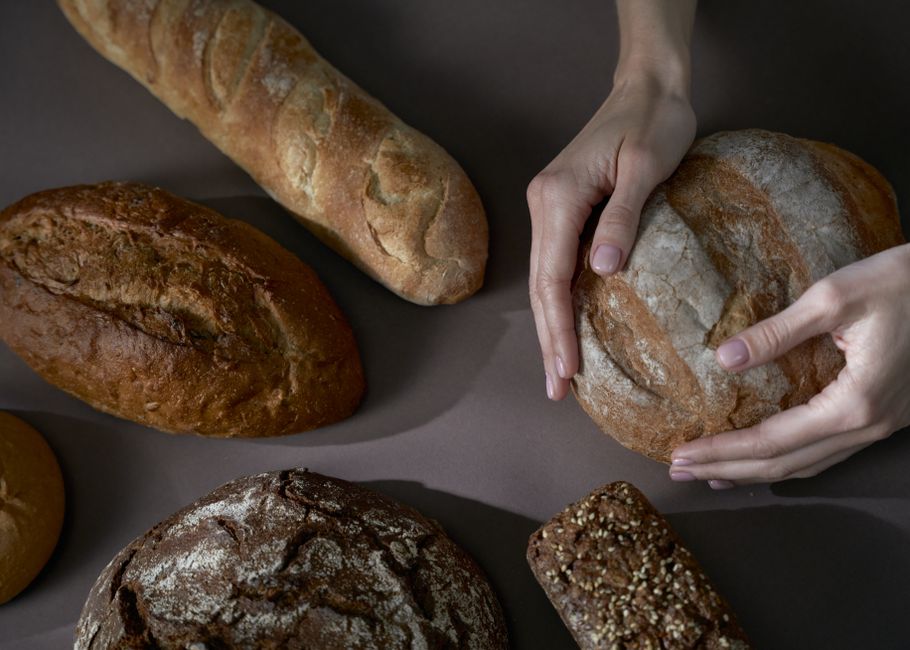
Freezing bread stops the staling process almost completely, locking in its texture and nutritional value. It does not meaningfully change the calories, carbohydrates, protein, or fiber content of the loaf. In fact, freezing is one of the best ways to preserve bread’s quality, often keeping it fresher than storing it on the counter for more than a day or two.
What Happens to Bread When You Freeze It?
Bread stales because of a process called starch retrogradation. When bread cools after baking, the starch molecules begin to recrystallize. This pushes water out of the starch structure, which is why stale bread feels dry and hard even though it has not lost much moisture.
Freezing slows this process dramatically. At freezer temperatures, the starch molecules barely move, so the staling process essentially pauses. When you thaw the bread, it returns to a state very close to its original texture, especially if you reheat it.
This is different from refrigeration. Storing bread in the fridge actually speeds up staling because the cool temperature encourages starch retrogradation without being cold enough to stop it. Bread kept in the refrigerator goes stale faster than bread left on the counter.
Does Freezing Change the Nutritional Value of Bread?
The short answer is no. Freezing does not destroy vitamins, minerals, or macronutrients in bread. The calories, protein, fat, carbohydrate, and fiber content remain essentially identical before and after freezing.
Some research has explored whether freezing and reheating bread changes how your body processes the carbohydrates. The theory is that freezing alters the starch structure in a way that increases something called resistant starch. Resistant starch is a type of carbohydrate that resists digestion in the small intestine, meaning your body absorbs fewer calories from it.
Some studies suggest that freezing and toasting bread can increase its resistant starch content. However, the effect is modest and varies by bread type. It is not a significant enough change to consider frozen bread a different food nutritionally. If you are eating bread for its nutrient content, freezing does not degrade it.
How Long Does Frozen Bread Last?
Frozen bread maintains its quality for about three to six months when stored properly. After that point, it is still safe to eat, but the texture and flavor may decline. Freezer burn can develop if the bread is not wrapped tightly, which dries out the surface and affects taste.
The key to long-term frozen bread quality is packaging. Bread should be wrapped in plastic wrap, aluminum foil, or placed in a heavy-duty freezer bag with as much air removed as possible. This prevents moisture loss and keeps the bread from absorbing odors from other foods in your freezer.
Bread stored in the freezer does not spoil in the food safety sense. Freezing stops the growth of mold and bacteria. The only concerns are quality-related, not safety-related. Bread that has been frozen for a year is safe to eat but may taste bland or dry.





Does Freezing Kill Mold or Bacteria in Bread?
Freezing stops mold and bacteria from growing, but it does not kill them. If bread has visible mold before you freeze it, freezing will not make it safe to eat. The mold spores remain alive and will resume growing once the bread thaws.
This is an important distinction. Freezing is a preservation method, not a sterilization method. Always freeze bread while it is fresh. If bread already shows signs of mold, discard it. Do not cut off the moldy part and freeze the rest, because mold roots can extend beyond what you can see.
For the same reason, thawed bread should be eaten within a few days. It will go stale and eventually mold just like fresh bread. Freezing resets the clock on staling, but it does not give the bread a new shelf life once thawed.
What Is the Best Way to Freeze and Thaw Bread?
For best results, freeze bread as soon as possible after purchase or baking. Fresh bread freezes better than bread that has sat on the counter for several days. Slice the bread before freezing if you plan to use it piece by piece. This lets you remove only what you need without thawing the whole loaf.
Double wrapping provides the best protection. Wrap the bread in plastic wrap first, then place it in a freezer bag or foil. This creates a moisture barrier that prevents freezer burn.
When you are ready to eat the bread, there are two good options. You can thaw it at room temperature in its wrapping, which takes a few hours. Or you can toast it directly from frozen, which many people find produces excellent results. Toasting from frozen is particularly good for bread that will be used for toast, sandwiches, or garlic bread.
You can also reheat a whole frozen loaf in the oven. Preheat the oven to 350°F, remove the bread from its wrapping, and warm it for 10 to 15 minutes. This restores a crusty exterior and soft interior that closely resembles fresh bread.
Does Freezing Bread Affect Its Glycemic Index?
Some research indicates that freezing and reheating bread may lower its glycemic response. The glycemic index measures how quickly a food raises blood sugar. The theory is that the formation of resistant starch during cooling and reheating slows digestion, which blunts the blood sugar spike.
A 2008 study published in the European Journal of Clinical Nutrition examined this effect. The researchers found that freezing, thawing, and toasting white bread reduced the glycemic response compared to fresh bread. However, the reduction was not dramatic, and the study was small.
For people managing diabetes or watching their blood sugar, this is worth knowing but not a reason to change habits. If freezing bread helps you eat smaller portions or choose whole grain varieties, that benefit likely outweighs any small change in glycemic response. But do not expect frozen bread to behave like a low-glycemic food.
Is Frozen Bread as Healthy as Fresh Bread?
Yes, frozen bread is nutritionally equivalent to fresh bread. The freezing process does not degrade the nutrients that matter. If you are comparing a fresh loaf from a bakery to a frozen loaf from the grocery store, the fresh loaf may have fewer preservatives and a different ingredient profile. But that is a difference between the products, not a difference caused by freezing.
Frozen bread can actually be a healthier choice in one practical way. It allows you to keep bread on hand without feeling pressured to eat it before it goes stale. This can help with portion control. If you know you will only eat two slices a week, freezing a loaf and taking out slices as needed prevents waste and discourages overeating.
Some commercially frozen breads are made with added sugars, preservatives, or refined flours. Check the ingredient list the same way you would for fresh bread. Whole grain breads with short ingredient lists freeze just as well as white breads.
Frequently Asked Questions
Does freezing bread reduce its calories?
No, freezing does not reduce the calorie content of bread. The calories remain the same before and after freezing.
Can you freeze bread to make it last longer?
Yes, freezing is the best way to extend bread’s shelf life. Properly wrapped bread stays fresh for three to six months in the freezer.
Is it safe to eat bread that has been frozen for a year?
It is safe from a food safety standpoint, but the quality will likely be poor. The bread may be dry, bland, or affected by freezer burn.
Does freezing bread kill mold?
No, freezing only stops mold growth. It does not kill mold spores, so mold will resume growing after the bread thaws.
