
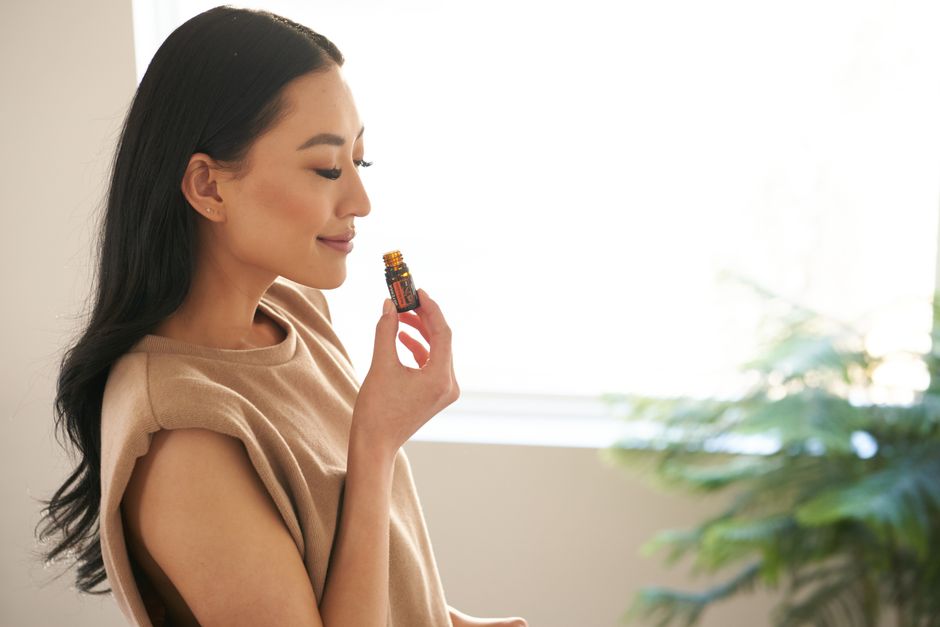
Frankincense is a resin tapped from trees in the Boswellia genus, and it has been used on skin for thousands of years. Its main skincare actions come from boswellic acids and other compounds in the resin, which laboratory and some human studies suggest can calm inflammation and support the skin’s barrier. It is not a proven treatment for any skin disease, and much of what you see online goes well beyond what the evidence actually shows.
What Does Frankincense Do For Your Skin Top Benefits?
The most credible benefit is anti-inflammatory activity. Boswellic acids are the best-studied compounds in frankincense, and they interfere with a specific enzyme pathway involved in inflammation called 5-lipoxygenase. That mechanism is well described in the pharmacology literature, and it is the reason frankincense shows up in both skin products and joint supplements.
What that means for your face is more modest than the marketing suggests. A cream or serum containing frankincense extract may help settle visible redness and irritation. It may support the skin barrier over time. It is not a substitute for a prescription treatment, and no large human trial has shown it clears acne, erases wrinkles, or reverses sun damage.
There is a second layer here worth naming. Many frankincense products on the market contain very little actual frankincense. Resin extracts are expensive, so formulas often list the oil at low concentrations or lean on fragrance to create the impression of the ingredient. If the label does not specify an extract percentage, you cannot assume you are getting a meaningful dose.
How Does Frankincense Work On The Skin?
Frankincense resin contains boswellic acids, and these are the compounds most studied for biological activity. They appear to reduce the production of inflammatory signaling molecules. Separately, frankincense essential oil contains monoterpenes like alpha-pinene, which give it the resinous scent and may have some antimicrobial activity in lab settings.
Two honest caveats matter here. First, most of the anti-inflammatory research on boswellic acids has been done in test tubes or in animals, not on human facial skin. Second, how much of these compounds actually penetrates the outer layer of skin from a cream is not well established. A compound can be active in a petri dish and still never reach the living layers of your skin in useful amounts.
The oil and the extract are also different things. Essential oil is distilled for scent and is mostly volatile compounds. Resin extract is concentrated for boswellic acids. They behave differently on skin, and they carry different irritation profiles.
Can Frankincense Help With Acne Or Redness?
Some studies suggest frankincense has antibacterial and anti-inflammatory properties that could theoretically help acne, since acne involves both C. acnes bacteria and inflammation. That reasoning is plausible. It is not the same as demonstrated clinical benefit.
No well-controlled human trial has shown that a frankincense product clears acne better than standard treatments or a placebo. If you have inflammatory acne, the evidence base for benzoyl peroxide, topical retinoids, and prescription options is far stronger. Frankincense is not a replacement for those.
For general redness and sensitivity, the picture is similar. Anti-inflammatory ingredients can reduce the appearance of irritation, and frankincense fits that category. Whether it outperforms better-studied soothing ingredients like niacinamide or colloidal oatmeal is unknown. No head-to-head comparison exists that I am aware of.



What About Aging, Wrinkles, And Skin Tone?
This is where the gap between claims and evidence is widest. You will see frankincense marketed for firming skin, reducing fine lines, and evening tone. There is no clinical evidence that it does any of these things.
Wrinkles and uneven tone are driven mainly by sun exposure, genetics, and the gradual loss of collagen and elastin over decades. No topical frankincense product has been shown in controlled trials to change those underlying processes. Ingredients with better evidence for appearance-related aging include retinoids and vitamin C, and even those work gradually and modestly.
If a product claims to visibly lift or firm skin within days, that claim is not supported by the evidence on frankincense. Temporary tightening usually comes from other ingredients in the formula, not the frankincense.
Is Frankincense Safe For All Skin Types?
Frankincense essential oil can cause irritation and allergic contact dermatitis in some people, and this is well documented for essential oils generally. Resin extracts are usually better tolerated but are not risk-free. Anyone can react to any topical ingredient.
Patch testing is the practical safeguard. Apply a small amount to the inner forearm, wait 24 to 48 hours, and check for redness, itching, or swelling before using it on your face. This is standard advice for any new skincare product, not specific to frankincense.
People with eczema, rosacea, or very sensitive skin should be cautious, since essential oils are a common trigger for flare-ups. If you are pregnant or breastfeeding, there are no established clinical guidelines for using frankincense essential oil on skin, so the safest position is to ask your clinician before starting.
Do not apply undiluted essential oil to your face. If you use the oil at all, it should be diluted in a carrier oil, and even then, reactions happen.
How Does Frankincense Compare To Other Skincare Ingredients?
Frankincense occupies a middle tier. It has a plausible mechanism and a long history of traditional use, but it sits below ingredients with strong clinical trial support. Here is how it stacks up against a few common options.
| Ingredient | Main use | Strength of evidence |
|---|---|---|
| Frankincense extract | Soothing, anti-inflammatory | Limited human data |
| Retinoids | Acne, fine lines, texture | Strong, well established |
| Niacinamide | Barrier support, redness, tone | Moderate to strong |
| Vitamin C | Brightening, antioxidant | Moderate |
| Benzoyl peroxide | Inflammatory acne | Strong, well established |
The takeaway is not that frankincense is useless. It is that it belongs in a supporting role, not as the centerpiece of a routine built around proven ingredients.
How Should You Use Frankincense In A Skincare Routine?
If you want to try it, treat it as an add-on rather than a foundation. A serum or moisturizer with frankincense extract can go on after cleansing and before heavier creams. Keep it away from the eye area unless the product is formulated for that use.
Do not layer it with strong acids or retinoids on the same night when you are first testing it. If you react, you will not know which product caused it. Introduce one new product at a time and give it a few weeks before judging results.
Be skeptical of high prices. Frankincense resin is expensive, but a high price tag does not guarantee a meaningful concentration of the active compounds, and there is no standard for how much a product should contain. Look for a specific extract listed in the ingredients rather than “fragrance” alone.
What Does The Evidence Actually Support?
Frankincense has real anti-inflammatory chemistry and a long history of topical use. That is the honest summary. It may help calm mild irritation and support the skin barrier in some people. It has not been shown in controlled human trials to treat acne, reverse aging, or outperform better-studied ingredients.
If you enjoy using it and your skin tolerates it, there is no strong reason to stop. If you are hoping it will replace a dermatologist-prescribed treatment, the evidence does not support that expectation. The most reliable path to healthier skin still runs through sun protection, gentle cleansing, and ingredients with proven track records.
Frequently Asked Questions
What are the main skin benefits of frankincense?
The best-supported benefit is mild anti-inflammatory and soothing activity, based on boswellic acids in the resin. Claims about clearing acne or reversing wrinkles are not supported by controlled human trials.
Can frankincense oil be applied directly to the face?
No, undiluted essential oil should not go on your face because it can cause irritation and allergic reactions. If you use it at all, dilute it in a carrier oil and patch test first.
Does frankincense help with acne?
Some lab studies suggest it has antibacterial and anti-inflammatory properties that could help acne, but no controlled human trial has confirmed this. Proven acne treatments have much stronger evidence.
Is frankincense safe during pregnancy?
No clinical guidelines currently exist for using frankincense essential oil on skin during pregnancy or breastfeeding. Ask your clinician before using it.
