
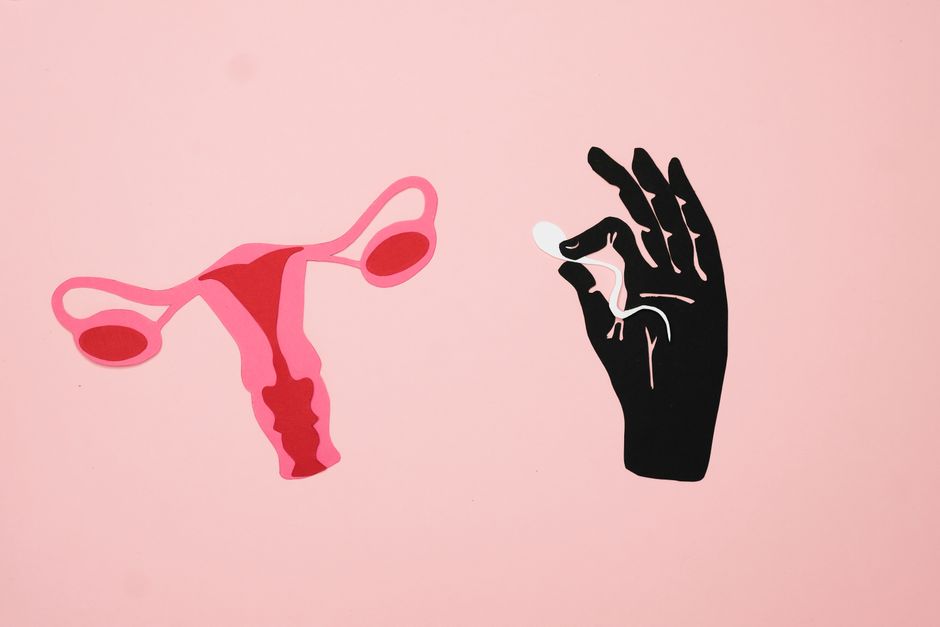
Fertility is the biological ability to conceive a child. For women, it depends on releasing a healthy egg each month, having open fallopian tubes, and a uterus that can support a pregnancy. For men, fertility relies on producing enough healthy sperm that can reach and fertilize an egg. While the basic definition is the same, fertility works very differently in women and men, and it changes with age in ways many people misunderstand.
How Does Fertility Differ Between Women and Men?
The biggest difference is time. Women have a finite number of eggs. A female baby is born with about 1 to 2 million eggs. By puberty, that number drops to around 300,000 to 400,000. A woman releases one egg per month during her reproductive years. The quality of those eggs declines steadily after age 35 and drops sharply after age 40.
Men produce sperm continuously. The testicles make millions of new sperm every day. This production does not stop with age. A healthy 70-year-old man can still produce sperm. However, sperm quality does decline slowly after age 40. The DNA in sperm can become more fragmented over time, which may affect embryo development.
Another difference is what causes infertility. In women, common causes include ovulation problems, blocked fallopian tubes, endometriosis, and uterine issues. In men, the main causes are low sperm count, poor sperm movement, abnormal sperm shape, and blockages in the reproductive tract.
The CDC reports that about 19% of women aged 15 to 49 with no prior births have difficulty getting pregnant after one year of trying. For men, the numbers are harder to track because male infertility is often underdiagnosed. Many couples assume the problem is female, but studies suggest male factors contribute to about 40% of all infertility cases.
What Age Does Fertility Start to Decline?
Fertility in women starts to decline around age 32. The decline is gradual at first. It becomes more significant after age 35. By age 40, a woman’s chance of getting pregnant naturally in any given month is about 5%. At age 30, that same chance is roughly 20% per month.
Research published in the journal Fertility and Sterility found that by age 40, a woman has about a 40% chance of needing fertility treatment to conceive. By age 45, natural conception becomes very unlikely. The American College of Obstetricians and Gynecologists states that women over 45 rarely conceive with their own eggs.
For men, fertility decline is slower and less dramatic. Sperm count and quality start to decrease after age 40. The chance of pregnancy decreases about 23% for men over 40 compared to men under 30. This is based on data from the National Institute of Child Health and Human Development.
Men over 45 also have a slightly higher risk of passing on genetic mutations. This is because sperm DNA accumulates damage over a lifetime. The risk of conditions like autism and schizophrenia in children increases with paternal age, though the absolute risk remains small.
What Are the Most Common Causes of Infertility?
In women, ovulation problems are the most frequent cause. Polycystic ovary syndrome affects about 6 to 12% of women of reproductive age. PCOS prevents regular ovulation. Other causes include thyroid disorders, premature ovarian insufficiency, and blocked fallopian tubes from pelvic infections or endometriosis.
Endometriosis affects roughly 1 in 10 women. It can cause scarring and inflammation that blocks the tubes or damages the ovaries. Uterine fibroids can also interfere with implantation if they distort the uterine cavity.
In men, the most common cause is varicocele. This is a swelling of veins in the scrotum. It affects about 15% of all men but is found in roughly 40% of men being evaluated for infertility. Varicoceles raise testicular temperature and reduce sperm production.
Other male causes include hormonal imbalances, infections, ejaculation problems, and genetic conditions. About 1% of infertile men have a condition called Y-chromosome microdeletion. This is a missing piece of DNA on the Y chromosome that affects sperm production.
For both sexes, lifestyle factors play a role. Smoking reduces fertility in both women and men. Heavy alcohol use lowers sperm quality and disrupts ovulation. Obesity affects hormone levels and egg quality. The American Society for Reproductive Medicine reports that even moderate weight loss can improve fertility outcomes.





What Fertility Tests Actually Tell You?
For women, the most common test is an ultrasound to check the ovaries and uterus. Blood tests measure hormones like FSH, LH, and AMH. AMH levels indicate how many eggs remain in the ovaries. This is called ovarian reserve. A low AMH means fewer eggs are left, but it does not predict your ability to get pregnant right now.
Another test is the hysterosalpingogram. This X-ray dye test checks if the fallopian tubes are open. Blocked tubes prevent the egg and sperm from meeting. For many women, this test is the first step after basic blood work.
For men, a semen analysis is the standard test. It measures sperm count, movement, and shape. A normal count is 15 million sperm per milliliter or higher. Movement should be at least 40% progressive. Normal shape should be at least 4%. These numbers come from World Health Organization guidelines.
One thing many people do not realize is that one abnormal semen analysis does not mean infertility. Sperm parameters can vary from month to month. Doctors typically repeat the test after a few weeks to confirm results. Some men need additional tests like hormone panels or genetic screening.
How Do Lifestyle Changes Affect Fertility?
Weight is one of the most powerful factors. Research from the Harvard School of Public Health found that women with a BMI over 30 have a 30 to 40% lower chance of conception per cycle compared to women with a normal BMI. For men, obesity lowers testosterone and reduces sperm quality.
Diet matters but not in the way many articles claim. There is no specific fertility diet that works for everyone. However, a diet rich in fruits, vegetables, whole grains, and healthy fats supports hormone balance. Trans fats and high sugar intake are linked to worse fertility outcomes.
Caffeine is a common concern. Moderate caffeine intake under 200 mg per day is generally considered safe. That is about one 12-ounce cup of coffee. Higher amounts may increase the time to pregnancy, though the evidence is not strong.
Exercise is beneficial but excessive exercise can backfire. Women who exercise intensely for more than 5 hours per week may have irregular ovulation. Moderate exercise like brisk walking for 30 minutes most days improves fertility outcomes.
Smoking is one of the few things with clear evidence. Women who smoke reach menopause 1 to 4 years earlier than non-smokers. Smoking damages eggs and sperm DNA. Quitting smoking improves fertility within months.
Alcohol affects both sexes. For women, heavy drinking disrupts ovulation. For men, it lowers testosterone and sperm quality. The CDC recommends that women trying to conceive avoid alcohol entirely because no safe level has been established during pregnancy.
What Treatments Are Available for Infertility?
Treatment depends on the cause. For ovulation problems, medications like clomiphene citrate or letrozole can stimulate egg release. These medications have success rates of about 40 to 50% for achieving pregnancy within six cycles.
Intrauterine insemination is a procedure where washed sperm are placed directly into the uterus. It is often used for mild male factor infertility or unexplained infertility. Success rates per cycle range from 10 to 20% depending on age and other factors.
In vitro fertilization is the most effective treatment. Eggs are retrieved from the ovaries, fertilized in a lab, and the embryo is transferred to the uterus. Success rates depend heavily on age. For women under 35, the live birth rate per IVF cycle is about 40%. For women over 40, it drops to about 10 to 15% per cycle. These numbers come from the Society for Assisted Reproductive Technology.
For men with low sperm count, ICSI is often used. This is a technique where a single sperm is injected directly into an egg. It bypasses many sperm problems. Success rates are similar to standard IVF when the woman is young.
Some people choose to use donor eggs, donor sperm, or a gestational carrier. These options are effective for specific medical situations. The CDC reports that over 300,000 IVF cycles are performed in the United States each year, resulting in about 80,000 babies.
What Are Common Misconceptions About Fertility?
One major myth is that fertility is only a woman’s problem. Infertility affects both sexes equally. About one-third of cases are due to female factors, one-third to male factors, and one-third to both or unexplained causes. Ignoring male fertility can delay treatment for years.
Another myth is that you can get pregnant anytime during your cycle. A woman is only fertile for about 6 days each month. These are the five days before ovulation and the day of ovulation. Sperm can live in the reproductive tract for up to 5 days, but the egg only survives 12 to 24 hours after release.
Many people believe that having one child means you can easily have another. Secondary infertility is real. About 11% of couples who have had one child struggle to conceive a second. Causes include age-related decline, new medical conditions, or previous pregnancy complications.
Some think that fertility treatments always lead to multiples. IVF success rates today are driven by single embryo transfers. The rate of twins from IVF has dropped significantly. The American Society for Reproductive Medicine now recommends single embryo transfer for most women under 38.
There is also a belief that stress causes infertility. Stress can affect hormone levels and ovulation, but it is rarely the sole cause. Studies show that stress reduction techniques improve quality of life but do not consistently increase pregnancy rates.
Frequently Asked Questions
What is the difference between fertility and infertility?
Fertility is the ability to conceive a child naturally. Infertility is the inability to get pregnant after one year of regular unprotected sex for women under 35, or after six months for women over 35.
Can you improve your fertility naturally?
Yes, lifestyle changes like quitting smoking, maintaining a healthy weight, and limiting alcohol can improve fertility. However, some causes of infertility require medical treatment and cannot be reversed naturally.
How long should you try before seeing a doctor?
Women under 35 should try for one year. Women over 35 should try for six months. Women over 40 should see a doctor immediately when they decide to try to conceive.
Does age affect male fertility the same as female fertility?
No, male fertility declines more slowly and less dramatically than female fertility. Men over 40 have reduced sperm quality but can still father children naturally well into older age.
