
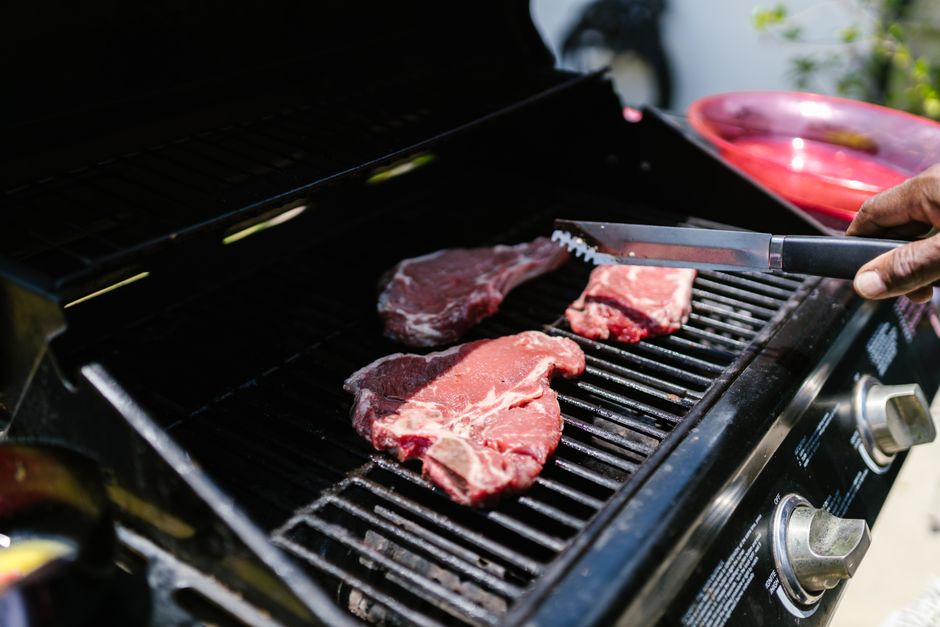
Emu meat tastes like a leaner, slightly sweeter version of beef. It has a mild, grassy flavor with a texture closer to steak than poultry, and it turns tough fast if you overcook it. Cook it hot and quick, or low and slow, and treat it more like a lean red meat than like chicken.
What Does Emu Meat Taste Like And How To Cook It: The Basics
Emu is a large flightless bird native to Australia. It is farmed in the United States and several other countries for meat, oil, and leather. The meat is red, not white, which surprises many people who expect it to resemble chicken or turkey.
The red color comes from a high concentration of myoglobin, an oxygen-binding protein found in muscle tissue. Birds that run rather than fly tend to have dark, myoglobin-rich muscle in their legs, similar to the way migratory ducks and geese have darker breast meat than farmed chickens. Emu use their legs constantly, so most of the edible meat is red.
Flavor-wise, most people describe emu as mild and slightly sweet, with a mineral or grassy note. It does not taste gamey the way some venison or wild duck does. The closest comparison is probably lean beef or bison, with a texture that is fine-grained and a little firmer than chicken breast.
Emu meat is very lean. According to USDA nutrient data, emu meat is lower in fat than beef, pork, and most cuts of lamb. That leanness shapes both how it tastes and how it cooks.
Is Emu Meat Red Meat Or Poultry?
Emu is technically poultry because it is a bird, but nutritionally and culinarily it behaves like red meat. The meat is dark red, high in myoglobin, and cooks more like beef than like chicken.
This distinction matters for cooking. Poultry like chicken is usually cooked to an internal temperature of 165°F for safety. Emu is a red meat, and like beef, it can be cooked to lower internal temperatures depending on preference. The USDA Food Safety and Inspection Service lists emu as a species that may be cooked to 145°F with a three-minute rest, similar to beef steaks, though many recipes suggest cooking it medium-rare at most.
One important caveat: emu is not a commonly consumed meat in the United States, and food safety guidance for it is less detailed than for beef or chicken. If you are unsure, follow the same safe-handling practices you would use for any raw meat — clean surfaces, separate cutting boards, and refrigerate promptly.
How Does Emu Meat Compare To Beef, Chicken, And Ostrich?
Emu sits in a category with ostrich and rhea — large flightless birds farmed for red meat. The table below compares general nutritional profiles. These figures reflect typical USDA nutrient data for cooked lean meat and will vary by cut and cooking method.
| Meat (cooked, lean) | Fat | Protein | Flavor profile |
|---|---|---|---|
| Emu | Very low | High | Mild, slightly sweet, grassy |
| Beef (lean steak) | Moderate | High | Rich, beefy |
| Chicken breast | Low | High | Neutral, mild |
| Ostrich | Very low | High | Mild, similar to lean beef |
Emu and ostrich are often grouped together because both are lean red poultry. Emu is slightly smaller and its meat is often described as a touch sweeter. Beef has more intramuscular fat, which is why it tastes richer and is more forgiving to cook.
The leanness of emu is both its selling point and its main cooking challenge. Fat carries flavor and moisture. When fat is very low, the margin between perfectly cooked and dry is narrow.





Why Does Emu Meat Get Tough So Easily?
Emu meat gets tough when it is overcooked because it has very little fat to protect the muscle fibers. As meat heats, muscle proteins contract and squeeze out moisture. With almost no marbling, there is little to keep the meat moist once that happens.
This is the same reason a lean beef round steak dries out faster than a ribeye. The difference is that emu is even leaner than most lean beef cuts.
Two cooking approaches work well:
- Fast and hot: Sear or grill quickly over high heat and pull the meat while it is still slightly pink inside. This keeps moisture in.
- Slow and moist: Braise or stew in liquid for a long time until the connective tissue breaks down. This works for tougher cuts like the leg.
The middle ground — medium heat for a long time — is where emu tends to fail. It is hot enough to drive out moisture but not long enough to break down connective tissue.
How Do You Cook Emu Steaks And Fillets?
Emu steaks and fillets are best cooked like lean beef steak: hot, fast, and not past medium-rare. Let the meat come to room temperature before cooking, pat it dry, and season simply with salt and pepper.
Heat a pan or grill until it is very hot. Sear the meat for a short time on each side. The exact time depends on thickness, so use an instant-read thermometer rather than guessing. For a red meat like emu, pulling it around 130°F to 140°F for medium-rare is a common approach, then letting it rest for a few minutes before slicing.
Resting matters. During rest, juices redistribute through the meat instead of running out onto the cutting board. Slice against the grain to shorten the muscle fibers and make each bite more tender.
Because emu is so lean, some cooks marinate or baste it with oil or a light marinade. This can help surface moisture, though it does not add fat inside the muscle the way marbling does.
How Do You Cook Emu Roasts And Tougher Cuts?
Roasts and leg cuts from emu need low, moist heat. These muscles do more work, so they contain more connective tissue. Dry heat makes them tough. Moist heat over time converts collagen into gelatin, which is what makes braised meat tender.
A common method is to brown the roast first, then cook it covered in a small amount of liquid at a low oven temperature for a long period. The meat is done when it shreds easily with a fork. This is the same logic behind pot roast and pulled pork.
Ground emu is another option. It can be used anywhere you would use lean ground beef or ground turkey — burgers, meatballs, chili, tacos. Because it is lean, it benefits from a little added fat or moisture in the recipe, such as olive oil or a sauce.
One clarification worth making: emu is not a “health food” in any special sense. It is a lean source of protein, similar in that respect to skinless chicken, lean beef, or fish. Whether it is a better choice than those depends on your overall diet, not on any unique property of the bird.
Is Emu Meat Healthy?
Emu meat is a lean source of complete protein, meaning it contains all the essential amino acids the body needs. It is also a source of iron and B vitamins, particularly B12, which is found mainly in animal foods.
Because it is low in fat, it is lower in saturated fat than most red meats. Diets lower in saturated fat are generally associated with better cardiovascular outcomes, though the total picture of a diet matters more than any single food.
There is no strong clinical evidence that emu meat offers health benefits beyond those of other lean meats. Some emu oil products are marketed for skin and joint conditions, but the evidence for those claims is limited and mostly from small studies. That is a separate topic from the meat itself.
If you eat emu as part of a balanced diet, it fits the same role as other lean proteins. It is not a medicine, and no food is.
Where Can You Buy Emu Meat?
Emu meat is not widely available in mainstream US grocery stores. It is most often sold through specialty meat suppliers, some farmers markets, and online retailers that ship frozen.
Availability varies by region. If you cannot find emu, ostrich is a close substitute and is sometimes easier to source. Lean bison or lean beef also work well as substitutes in most recipes, with the same cooking logic: hot and fast, or low and slow.
When buying emu, look for meat that is deep red with no off smell. Frozen emu should be thawed in the refrigerator, not on the counter, and cooked within a day or two of thawing.
Frequently Asked Questions
Does emu taste like chicken?
No, emu tastes more like lean beef or bison than chicken. It is red meat with a mild, slightly sweet flavor and a firmer texture.
Is emu meat safe to eat medium-rare?
Emu is a red meat, and food safety guidance from the USDA lists it among meats that can be cooked to 145°F with a rest, similar to beef steaks. If you are unsure, cook it to a higher internal temperature and follow standard safe-handling practices.
Why did my emu steak turn out tough and dry?
Emu is very lean, so it dries out quickly when overcooked. Sear it hot and fast and pull it while it is still slightly pink, or braise tougher cuts low and slow.
Is emu meat healthier than beef?
Emu is lower in fat than most beef cuts, which makes it a leaner protein source. Beyond that, there is no strong clinical evidence that it offers unique health benefits compared with other lean meats.
