
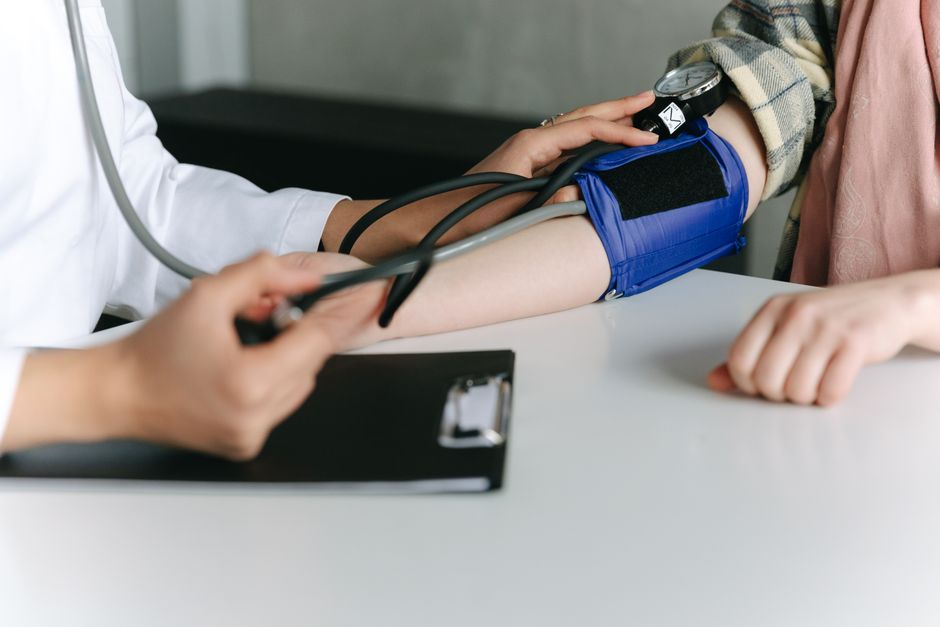
After a bump on the head, a rising blood pressure reading can be a warning sign — or a normal reflex. The meaning depends on the situation. In a serious head injury, elevated blood pressure is often the body’s attempt to keep blood flowing to the brain when pressure inside the skull is climbing. That pattern is a medical emergency. In a mild bump with anxiety or pain, a temporary rise is common and usually settles on its own.
The distinction matters because the same number can mean two very different things. A blood pressure of 150/95 in a worried person with a small bruise is not the same as 150/95 in someone who was knocked unconscious. Context — how the injury happened, what other symptoms are present, and how the person is behaving — carries more weight than the reading alone.
What Does Elevated Blood Pressure Mean With A Head Injury?
Elevated blood pressure after a head injury can signal rising pressure inside the skull. This is the most serious explanation and the one clinicians are trained to look for.
The skull is a closed box. It holds brain tissue, blood, and cerebrospinal fluid in a fixed volume. When bleeding or swelling adds volume, something has to give. The brain has a built-in mechanism to protect its blood supply. When pressure inside the skull rises, the body pushes blood pressure up to force blood through. This is called the Cushing reflex.
The Cushing reflex is a late and ominous sign. It typically appears alongside a slowing heart rate and irregular breathing. When all three appear together, it suggests the brain is under significant pressure. This is a neurosurgical emergency, not a wait-and-see situation.
There is a second, far more common explanation. Pain, fear, and adrenaline raise blood pressure quickly. A person who has just fallen, is bleeding from a scalp wound, and is sitting in an emergency room is likely to have a higher reading than usual. Scalp wounds bleed heavily and look alarming, which feeds anxiety.
So elevated blood pressure alone does not tell you which situation you are in. The accompanying signs do.
What Other Signs Point to a Serious Head Injury?
Watch the person, not just the monitor. Certain signs alongside a head injury mean emergency care without delay.
- Loss of consciousness, even briefly
- Repeated vomiting
- A worsening headache over hours
- Confusion, unusual drowsiness, or trouble waking
- Slurred speech or weakness on one side
- Unequal pupil size
- A seizure
- Clear fluid leaking from the nose or ear
Any of these after a blow to the head warrants urgent medical evaluation. Do not drive yourself. Call emergency services.
One clarification worth knowing: a person can have a serious brain injury and still be talking and walking at first. Symptoms of bleeding inside the skull sometimes appear hours after the event. This is why observation matters, especially in the first day.
When Is a Blood Pressure Rise After a Head Injury Just Stress?
In mild head injuries, a temporary rise in blood pressure is common and usually not dangerous. The body releases adrenaline after any sudden event. Pain from the injury adds to it.
Blood pressure that climbs with stress typically settles within minutes to an hour once the person calms and pain is addressed. A reading taken right after a fall is not a reliable baseline. It reflects the moment, not the person’s usual pressure.
This does not mean a mild injury can be ignored. It means a single elevated reading in an otherwise alert, coherent person with no warning signs is not automatically alarming. The reading should be repeated once the person is calm.
Can a Head Injury Cause High Blood Pressure Later?
Most people recover normal blood pressure after a head injury resolves. The acute rise is temporary. Long-term effects are less clear.
Some research suggests that people who have had a traumatic brain injury may face a higher risk of cardiovascular problems later in life. The reasons are not fully understood. Reduced physical activity, disrupted sleep, and changes in the body’s stress response are all possible contributors. The evidence here is still developing, and no strong clinical guidance currently exists for screening head injury survivors specifically for high blood pressure.
What is well established: high blood pressure is common in adults generally, and it usually has no symptoms. Regular checks matter regardless of injury history. A head injury does not replace the usual reasons to monitor blood pressure.
How Do Doctors Tell the Difference?
Doctors look at the whole picture, not one number. The Glasgow Coma Scale is a standard tool that scores eye opening, verbal response, and movement. A falling score over time is a red flag for worsening brain function.
Imaging is the decisive step when serious injury is suspected. A CT scan of the head can show bleeding or swelling that a physical exam cannot detect. Clinicians use established decision rules to decide who needs imaging after a head injury. These rules weigh factors like age, whether the person lost consciousness, memory problems, and how the injury happened.
Blood pressure readings are tracked over time, not in isolation. A single high reading means less than a trend. A pressure that keeps climbing while the person becomes more drowsy is a very different signal from a pressure that falls as the person relaxes.
What Should You Do If Someone Has a Head Injury and High Blood Pressure?
Treat the warning signs as the priority, not the number. If the person is confused, vomiting repeatedly, hard to wake, or has lost consciousness, call emergency services.
If the person is alert and acting normally, keep them calm and watch them. Do not give medications to lower blood pressure on your own. Blood pressure may be elevated for a reason, and lowering it without medical guidance could reduce blood flow to an injured brain. This is a decision for clinicians.
Avoid alcohol and strenuous activity in the hours after a head injury. Do not let the person drive. Wake them periodically through the night if a clinician has advised it, and seek care if any warning sign appears.
For a mild bump with no warning signs, rest and observation are usually enough. Repeat the blood pressure check once the person is calm. If it remains high or symptoms worsen, get medical advice.
Frequently Asked Questions
Does high blood pressure after a head injury always mean danger?
No. In mild injuries, pain and stress commonly raise blood pressure temporarily. Danger is more likely when high pressure appears with confusion, vomiting, drowsiness, or a slowing heart rate.
What is the Cushing reflex?
It is the body’s response to rising pressure inside the skull, where blood pressure climbs to keep blood flowing to the brain. It usually appears with a slow heart rate and irregular breathing and signals a medical emergency.
Can I have a serious head injury and still feel fine?
Yes. Bleeding inside the skull can cause symptoms hours after the injury. Watch for worsening headache, confusion, vomiting, or drowsiness and seek care if any appear.
Should I take medicine to lower blood pressure after a head injury?
No. Do not adjust blood pressure medication on your own after a head injury. Changes should be guided by a clinician who can assess the whole picture.
