
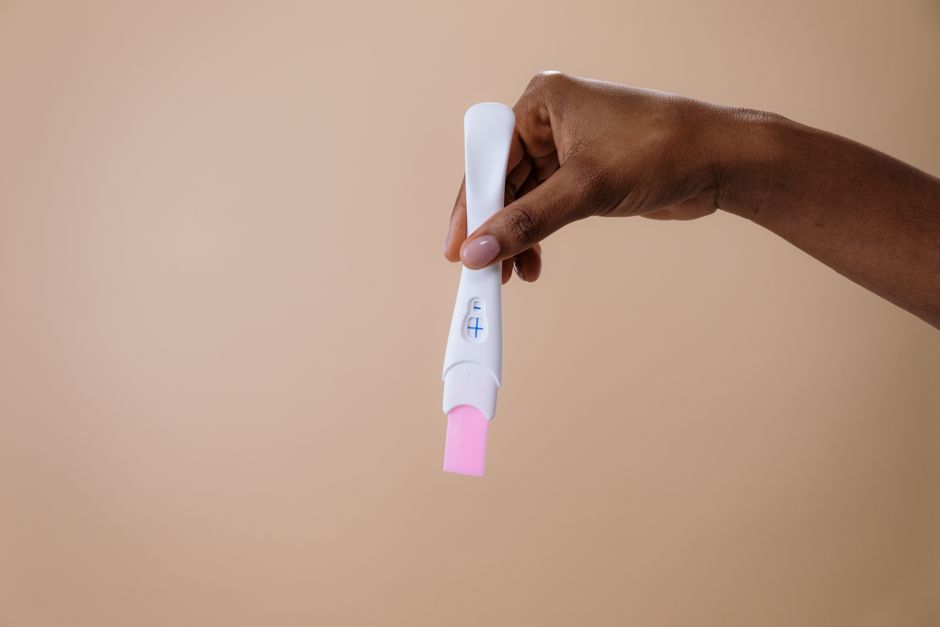
Early pregnancy often feels like your body is running a quiet background program you cannot quite see. The most common early signs are breast tenderness, fatigue, nausea, and a missed period. Many people also notice mild cramping, bloating, and more frequent urination. These symptoms usually show up in the first few weeks after conception, and they vary widely from person to person.
What makes early pregnancy tricky is that these same feelings overlap with premenstrual symptoms. A woman can feel tired, tender, and mildly crampy before a period and be pregnant, or feel exactly the same way and not be. That overlap is real and it is why symptoms alone cannot confirm a pregnancy.
What Does Early Pregnancy Feel Like Key Symptoms?
Early pregnancy feels different for every person. Some women notice several changes within days of conception. Others feel almost nothing until they miss a period or take a test. Both patterns are normal.
The symptoms below come from real physiological changes, not imagination. After implantation, the body begins producing human chorionic gonadotropin (hCG) and rising levels of progesterone and estrogen. Those hormones drive most of what you feel.
- Breast tenderness. Breasts may feel sore, heavy, or tingly. The nipples can become more sensitive. This is one of the earliest changes and often appears within one to two weeks after conception.
- Fatigue. Deep tiredness that feels different from ordinary sleepiness is very common. Rising progesterone and the metabolic demands of early development both contribute.
- Nausea. Often called morning sickness, but it can strike at any hour. It usually starts around week six, though some women feel queasy earlier.
- Missed period. This is the symptom most people rely on. It is also the most reliable early signal for someone with regular cycles.
- Mild cramping and spotting. Light cramping and a small amount of spotting can happen around implantation, usually before a period would be due.
- Frequent urination. Hormonal changes and increased blood flow to the kidneys can send you to the bathroom more often, even early on.
- Bloating. Progesterone slows digestion, which can cause gas and a puffy feeling.
- Food aversions and heightened smell. Smells may seem stronger, and certain foods can suddenly turn you off.
- Mood shifts. Hormonal fluctuation can affect mood, though this is highly individual.
When Do Early Pregnancy Symptoms Start?
Most symptoms begin within one to two weeks after conception, though the timing varies. Conception happens around ovulation. Implantation, when the fertilized egg attaches to the uterine lining, typically occurs about six to twelve days after ovulation.
Before implantation, the body is not yet producing hCG. That means symptoms in the very earliest days are driven by progesterone from the ovary, not by pregnancy hormones from the embryo. This is a subtle point that gets lost in popular explanations. The “implantation” symptoms people describe are real for some women, but they are not universal and cannot be timed precisely.
Nausea tends to arrive later than breast tenderness and fatigue. It most often begins around week six and peaks in the first trimester. Some women never experience it at all.
Why Do Early Pregnancy Symptoms Overlap With PMS?
Early pregnancy and premenstrual syndrome share the same hormonal drivers. Progesterone rises in the second half of every menstrual cycle, whether or not pregnancy occurs. That single fact explains most of the confusion.
Progesterone can cause breast tenderness, bloating, fatigue, and mood changes in both situations. So a woman who feels crampy and tender may be pregnant, or may simply be a few days from her period.
There is one key difference in timing. PMS symptoms usually ease once bleeding starts. Pregnancy symptoms tend to continue or intensify. A missed period combined with ongoing symptoms is a stronger signal than any single feeling on its own.
Can You Feel Pregnant Before a Missed Period?
Some women do notice changes before their period is due, but the evidence for very early symptoms is limited. Breast tenderness and fatigue are the changes most likely to appear in that window. Nausea usually comes later.
Home pregnancy tests detect hCG in urine. Most are designed to be used on or after the day of a missed period, because hCG levels need time to rise high enough to register. Testing too early can produce a false negative even when pregnancy has occurred.
If you suspect you are pregnant and want earlier confirmation, a clinician can order a blood test, which is more sensitive than a urine test. No symptom can substitute for a test.
What Early Pregnancy Symptoms Are Not Reliable Signs?
Several popular “signs” do not hold up well. Relying on them can lead to unnecessary worry or false hope.
- Cramping alone. Mild cramps happen in both pregnancy and approaching periods. They tell you little by themselves.
- Spotting. Implantation spotting is real for some women, but many pregnant women never spot, and many non-pregnant women do.
- Food cravings. Cravings are common later in pregnancy but are not a dependable early indicator.
- Feeling “different” in your body. This is genuine for many people but too vague to interpret as a sign.
- Basal body temperature shifts. Temperature rises after ovulation regardless of pregnancy, so a single reading cannot confirm anything.
No combination of symptoms can confirm or rule out pregnancy. Only a test can.
When Should You Take a Pregnancy Test or See a Clinician?
Take a home pregnancy test on or after the first day of a missed period for the most reliable result. If it is negative and your period still does not come, wait a few days and test again, or contact a clinician.
See a healthcare provider promptly if you have:
- Severe or one-sided pelvic pain
- Heavy bleeding
- Dizziness or fainting
- Pain in the shoulder tip
These can be signs of an ectopic pregnancy, which is a medical emergency. They are not typical pregnancy symptoms and should never be ignored.
If you have a positive test, schedule a visit to confirm the pregnancy and discuss early care. Prenatal guidance, including folic acid supplementation, is well established, and a clinician can advise you on what applies to your situation.
How Long Do Early Pregnancy Symptoms Last?
Most early symptoms ease as the first trimester progresses. Nausea often improves by the end of the first trimester for many women, though it can last longer for some. Breast tenderness and fatigue also tend to lessen as the body adjusts.
Timelines vary widely, and there is no single normal pattern. Some women feel better by week twelve. Others feel symptoms longer. Both can be within the range of normal, and a clinician can help you understand what is typical for you.
Frequently Asked Questions
How soon can you feel early pregnancy symptoms?
Some women notice breast tenderness or fatigue within one to two weeks after conception. Most symptoms become more noticeable after a missed period.
Can you be pregnant and feel no symptoms at all?
Yes. Many women have few or no early symptoms and still have healthy pregnancies. A lack of symptoms does not mean something is wrong.
Is cramping a normal early pregnancy symptom?
Mild cramping is common in early pregnancy and often resembles period cramps. Severe or one-sided pain is not typical and should be checked by a clinician right away.
Does implantation bleeding always happen?
No. Only some women experience spotting around implantation, and many do not. Its absence is not a sign that pregnancy has not occurred.
