
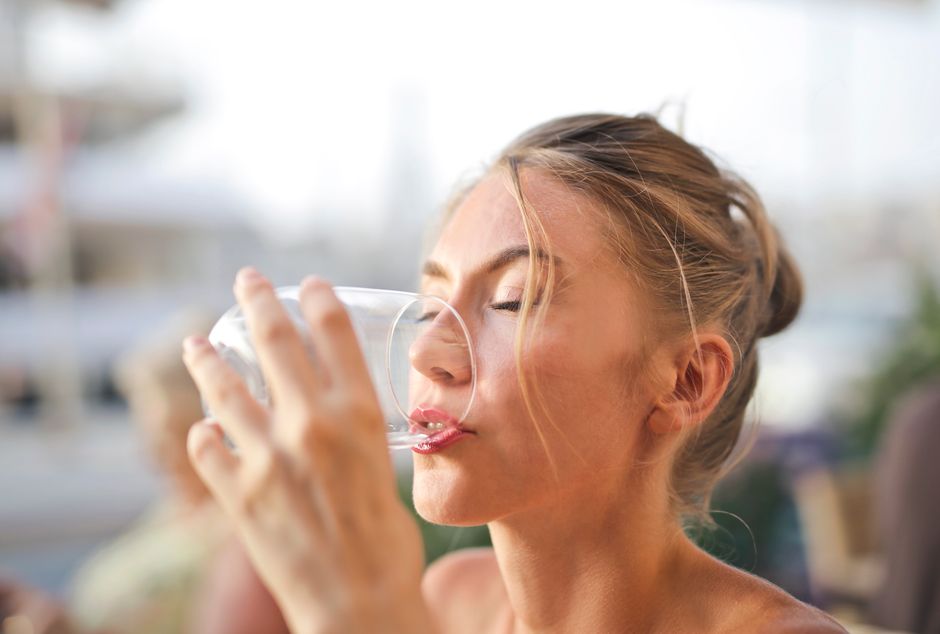
Alcohol is a diuretic, a vasodilator, and a source of empty calories, and all three of those properties show up on your face and skin. Within minutes of a drink, blood vessels near the skin’s surface widen, which is why some people flush red. Over hours, alcohol pulls water out of your body and can leave skin looking dull and puffy. Over years of heavy drinking, the changes can become more lasting — but the timeline and severity vary widely from person to person.
What Does Drinking Do To Your Face And Skin in the Short Term?
The immediate effects of alcohol on your skin come from two main mechanisms: vasodilation and dehydration.
When you drink, alcohol causes blood vessels in your skin to widen. This is called vasodilation. More blood flows near the surface, which can make your face feel warm and look flushed or pink. For some people — particularly those of East Asian descent who carry a variant of the ALDH2 gene — this flush is pronounced and happens after just a small amount of alcohol. The ALDH2 variant slows the breakdown of acetaldehyde, a toxic byproduct of alcohol metabolism, and the buildup causes the characteristic redness.
Alcohol also suppresses vasopressin, a hormone that tells your kidneys to hold onto water. The result is increased urination and a net loss of fluid. Your skin, which relies on water to maintain its barrier and plump appearance, can look dry, tired, or dull the morning after. Fine lines may appear more noticeable simply because the skin is less hydrated — this is temporary, not permanent damage.
Poor sleep after drinking adds another layer. Alcohol disrupts REM sleep and often causes people to wake up multiple times during the night. Sleep deprivation is well known to reduce skin barrier recovery and increase signs of fatigue like dark circles and pallor.
Can Alcohol Cause Puffiness and Swelling in the Face?
Yes, and the mechanism is not just dehydration. Alcohol affects fluid balance in a way that can leave your face looking swollen, especially around the eyes.
When you drink heavily, the body retains sodium to compensate for fluid shifts. That sodium pulls water into tissues, including the loose tissue around the eyes and jaw. Some people notice a puffy face the morning after drinking even if they drank plenty of water alongside the alcohol.
Alcohol also triggers histamine release in some people. Histamine is the same compound involved in allergic reactions, and it can cause swelling, redness, and itchiness. If you have rosacea or a histamine sensitivity, alcohol may make facial swelling and flushing more noticeable.
The puffiness is usually temporary and resolves within a day as fluid balance normalizes. But frequent episodes of alcohol-related fluid retention can contribute to a persistently puffy appearance over time.
What Skin Conditions Can Alcohol Make Worse?
Alcohol does not cause most skin conditions, but it can aggravate several that already exist.
- Rosacea: Alcohol is a well-documented trigger for rosacea flare-ups. It causes vasodilation, which worsens the redness and visible blood vessels characteristic of the condition. Some research suggests that heavy alcohol consumption is associated with a higher risk of developing rosacea, though the evidence is not definitive.
- Psoriasis: Some studies indicate that alcohol consumption is associated with more severe psoriasis symptoms. The relationship may involve alcohol’s effects on the immune system and on inflammation.
- Eczema and dry skin: Alcohol’s diuretic effect can worsen dryness and irritation in people who already have a compromised skin barrier.
- Acne: The evidence here is mixed. Some people report breakouts after drinking, but no large studies have confirmed a direct cause-and-effect relationship. Sugar in mixed drinks and disrupted sleep could both play a role.
If you have any of these conditions and notice your skin reacts after drinking, that pattern is worth tracking. It does not mean alcohol caused the condition — it means alcohol may be one of several triggers.
Does Heavy Drinking Age Your Skin Over Time?
Chronic heavy drinking is associated with accelerated skin aging, though the research is more consistent for some signs than others.
Long-term alcohol use can lead to nutritional deficiencies that affect the skin. Alcohol interferes with the absorption of vitamin A, vitamin C, zinc, and B vitamins — all of which play roles in skin repair and collagen production. Over years, these deficiencies can contribute to poor wound healing, dull skin, and increased wrinkling.
Alcohol also causes oxidative stress, meaning it increases the production of free radicals that damage cells. Free radicals break down collagen and elastin, the proteins that keep skin firm and elastic. This process happens naturally with age, but chronic alcohol use may speed it up.
People who drink heavily often have disrupted sleep, poor nutrition, and dehydration — all of which take a toll on skin over time. It is difficult to separate the direct effects of alcohol from these lifestyle factors, which is why researchers are cautious about stating exactly how much alcohol causes how much aging.
What is clearer: heavy drinking over many years is associated with a characteristic facial appearance sometimes described in medical literature as a “flushed, puffy face with fine wrinkles.” This is not a diagnosis, and not everyone who drinks heavily develops it. But it is a recognizable pattern.
Is There a Safe Amount of Alcohol for Your Skin?
There is no established threshold below which alcohol has zero effect on the skin. Even moderate drinking can cause temporary flushing, dehydration, and sleep disruption.
That said, the dose matters. An occasional drink is unlikely to cause lasting skin damage in a healthy person. Regular heavy drinking is where the more serious and persistent effects show up.
Current US dietary guidelines define moderate drinking as up to one drink per day for women and up to two drinks per day for men. These guidelines are based on overall health risks, not skin specifically. No official guideline exists for how much alcohol is safe for skin health.
If you are concerned about how alcohol affects your skin, the most direct approach is to notice patterns. Does your face flush after one drink? Do you wake up puffy and dry after a night of drinking? Those observations are more useful than any general rule.
What Can You Do to Reduce Alcohol’s Effects on Your Skin?
The most effective step is to drink less — or less often. The skin effects of alcohol are dose-dependent, meaning they tend to be milder with less consumption.
If you do drink, a few practical measures may help reduce the visible impact:
- Alternate alcoholic drinks with water to stay hydrated.
- Eat before and while drinking, which slows alcohol absorption.
- Choose drinks with fewer mixers high in sugar, which can contribute to inflammation.
- Use a gentle moisturizer before bed to support the skin barrier overnight.
- Avoid alcohol close to bedtime when possible, since it disrupts sleep quality.
None of these measures eliminate alcohol’s effects. They may reduce how noticeable they are.
If you have rosacea, eczema, psoriasis, or another chronic skin condition, you may find that avoiding alcohol entirely during flare-ups helps. Some clinicians recommend this, though the evidence for complete avoidance is stronger for rosacea than for other conditions.
For people who drink heavily and want to stop, withdrawal can be dangerous and should be managed with medical support. The skin benefits of stopping are real, but they are not the main reason to seek help.
Does Alcohol Affect Men’s and Women’s Skin Differently?
Yes, in some ways. Women tend to have a higher percentage of body fat and lower body water than men, which means the same amount of alcohol produces a higher blood alcohol concentration. This can make the immediate skin effects — flushing, dehydration — more pronounced.
Women also have thinner skin on average, which may make them more susceptible to visible signs of aging from any cause, including alcohol-related oxidative stress.
Hormonal factors play a role too. Some women notice that alcohol triggers flushing more intensely around menopause, when estrogen levels fluctuate.
Frequently Asked Questions
Does drinking alcohol cause wrinkles?
Chronic heavy drinking is associated with accelerated skin aging, including wrinkles, largely due to oxidative stress and nutritional deficiencies. An occasional drink is unlikely to cause lasting wrinkles in a healthy person.
Why does my face turn red when I drink?
Alcohol widens blood vessels near the skin’s surface, causing flushing. Some people — especially those with an ALDH2 gene variant — flush more intensely because of how their body breaks down alcohol.
How long does alcohol-related facial puffiness last?
Puffiness from a single night of drinking usually resolves within a day as fluid balance returns to normal. Persistent puffiness may reflect ongoing heavy drinking or another underlying cause.
Can quitting alcohol improve my skin?
Many people notice improvements in hydration, puffiness, and overall skin tone after reducing or stopping alcohol. The degree of improvement depends on how much and how long you drank.
