
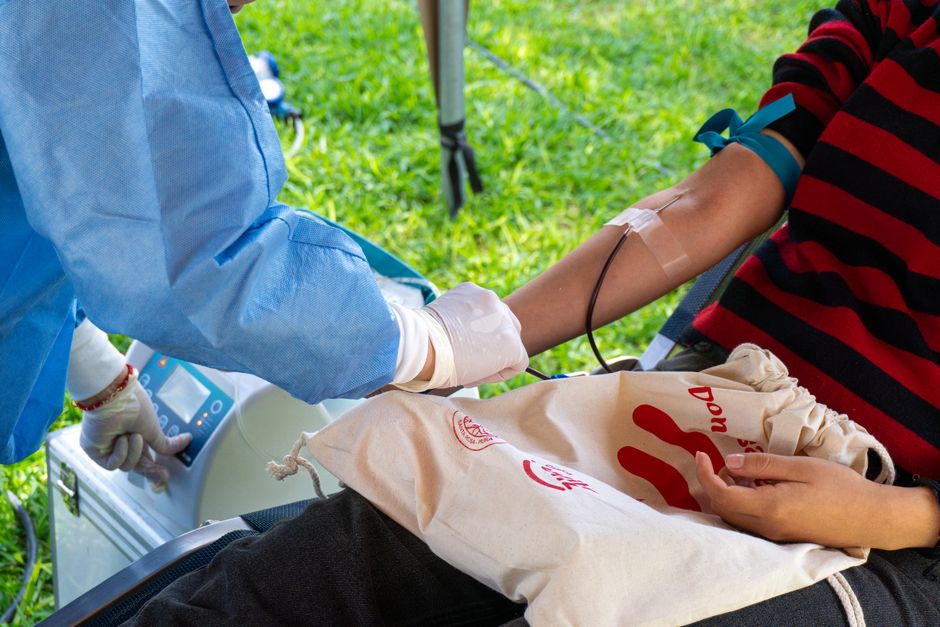
Donating blood for the first time is mostly a series of small, quick sensations rather than one big painful event. You will feel a brief pinch when the needle goes in, some pressure during the donation, and possibly mild lightheadedness afterward. The entire process, from registration to the post-donation snack, usually takes about an hour, but the actual blood draw itself typically lasts only 8 to 10 minutes.
What Does the Needle Stick Actually Feel Like?
The needle stick is the part most first-time donors worry about the most. The anticipation is almost always worse than the actual sensation. When the phlebotomist inserts the needle, you will feel a sharp, quick pinch that lasts only a few seconds. Many people describe it as similar to a firm mosquito bite or a quick snap on the skin.
The needle used for blood donation is larger than the one used for a routine blood test. This is necessary because the needle must allow red blood cells to flow through without being damaged. Because the needle is larger, the initial stick can feel slightly more noticeable than a standard lab draw. However, the phlebotomist applies the needle only to the surface of the vein, and the sharp sensation fades almost immediately once the needle is in place.
After the initial pinch, most donors report feeling nothing more than mild pressure at the site. The needle itself does not cause ongoing pain because it sits in the vein, not in the surrounding tissue. If you feel sharp pain during the draw, that is not normal, and you should tell the staff immediately.
What Happens During the 10-Minute Blood Draw?
Once the needle is in, the physical sensation changes. You will likely feel a cool sensation in your arm as blood flows out of your body and into the collection bag. This is not painful. Some people describe it as a strange or unfamiliar feeling, but it is not uncomfortable in a sharp way.
The phlebotomist will ask you to open and close your fist every few seconds. This helps keep blood flowing steadily. You may also be asked to squeeze a small stress ball. This repetitive motion can cause your hand and forearm to feel tired or slightly cramped, especially near the end of the draw. That mild muscle fatigue is normal and resolves once you stop squeezing.
Most people donate a pint of blood, which is about 500 milliliters. Your body contains roughly 10 pints of blood, so you are giving about 10 percent of your total volume. For a healthy adult, this loss is well within safe limits. Your body begins replenishing the fluid portion of the blood within hours, while red blood cell replacement takes several weeks.
Will You Feel Dizzy or Lightheaded?
Lightheadedness is the most common side effect of donating blood, especially for first-time donors. This is not a sign that something is wrong. It is a normal physiological response to a sudden drop in blood volume.
When you lose a pint of blood, your blood pressure can dip temporarily. Your body responds by constricting blood vessels and increasing your heart rate to maintain blood flow to your brain. If this response is slower than normal, you may feel dizzy, sweaty, or nauseous. This feeling typically passes within a few minutes, especially if you remain seated and drink fluids.
To reduce the risk of feeling faint, blood centers recommend eating a full meal within a few hours before donating and drinking plenty of water beforehand. Being well-hydrated makes your veins easier to find and helps maintain your blood pressure during the draw. Avoiding alcohol for at least 24 hours before donation is also standard advice.
If you do feel lightheaded, tell the staff. They will have you stay lying down or seated with your feet elevated until the feeling passes. Most people feel completely normal within 10 to 15 minutes after the draw ends.



What Does the Recovery and Aftercare Feel Like?
After the needle is removed, the phlebotomist will apply firm pressure to the site for a few minutes. This pressure can feel tight or slightly uncomfortable, but it is essential to stop bleeding and prevent a bruise. You will then receive a tight bandage that you should leave in place for several hours.
You will be asked to stay in the recovery area for about 15 minutes. This is not just a formality. This observation period is when most reactions, such as fainting or nausea, occur. You will be offered water or juice and a snack. Eating something with sugar and salt helps restore your blood sugar and fluid balance quickly.
For the rest of the day, you may feel slightly more tired than usual. This is normal. Your body is working to replace the fluid you lost. Most people can return to normal activities immediately, but heavy lifting and intense exercise should be avoided for the remainder of the day. This precaution reduces the risk of bleeding from the needle site and allows your body to begin recovery.
A small bruise at the needle site is common and appears in about one in five donations. The bruise may look alarming, but it is harmless and fades within a few days. Applying a cold pack for the first 24 hours can reduce bruising, and a warm compress after that can help it resolve faster.
How Long Does the Whole Appointment Take?
First-time donors should plan for about an hour total. The registration process takes longer for new donors because you will complete a detailed health history questionnaire. You will also have a brief physical screening where a staff member checks your blood pressure, pulse, temperature, and hemoglobin level. This screening involves a small finger prick to test your iron levels. The finger prick is a quick, minor sting that lasts only a moment.
Returning donors often complete the entire process in 45 to 50 minutes because their paperwork is faster. The actual blood draw is the shortest part of the visit. The time-consuming portions are the screening, the mandatory recovery period, and the snacks.
Are There Any Serious Risks to Know About?
Blood donation is very safe. Serious complications are rare. The most common issues are bruising, lightheadedness, and fatigue. These resolve on their own without medical treatment.
More serious complications, such as nerve injury, fainting with injury, or an arm hematoma, occur in a small fraction of donations. These risks are minimized by having trained professionals perform the procedure and by following the post-donation instructions carefully. If you experience severe pain, numbness, or unusual swelling in your arm after donating, contact the blood center or seek medical attention.
Blood centers screen donors carefully to protect both the donor and the recipient. You will be asked about medications, recent travel, medical conditions, and behaviors that may affect the safety of your blood. Some conditions or medications may temporarily defer you from donating. This is not a judgment on your health; it is a safety measure for the person who receives your blood.
What to Do If You Feel Anxious About the Needle
Needle anxiety is one of the most common reasons people avoid donating blood. It is a legitimate concern, and blood center staff are trained to help you through it. Tell the staff that you are nervous. They can have you lie down for the donation, which reduces the risk of fainting and can make you feel more comfortable.
You can also use practical strategies to manage the anxiety. Look away from the needle during insertion. Focus on slow, deep breathing. Some donors find that talking with the phlebotomist or listening to music on headphones distracts them effectively. The actual needle stick lasts only a few seconds, and the entire donation is over in less time than a typical television show.
If you have a history of severe needle phobia that causes panic attacks, speak with your doctor before donating. They can help you determine whether blood donation is appropriate for you and whether any strategies, such as topical numbing cream, might be used. Topical anesthetics are not routinely offered at blood drives, but asking in advance may allow you to arrange for one.
Frequently Asked Questions
Does donating blood hurt the first time?
The only painful part is a brief pinch when the needle goes in, lasting a few seconds. After that, most people feel only mild pressure or nothing at all during the draw.
How long does a first blood donation take?
Plan for about one hour total for your first visit. The actual blood draw takes only 8 to 10 minutes, with the rest spent on registration, screening, and recovery.
Can you faint while donating blood?
Feeling lightheaded is common, but actually fainting is rare. It is more likely in first-time donors, which is why you stay seated in a recovery area for about 15 minutes after donating.
How much blood is taken during a donation?
A standard donation collects about one pint of blood, which is roughly 500 milliliters. This is about 10 percent of the blood in a healthy adult body.
