
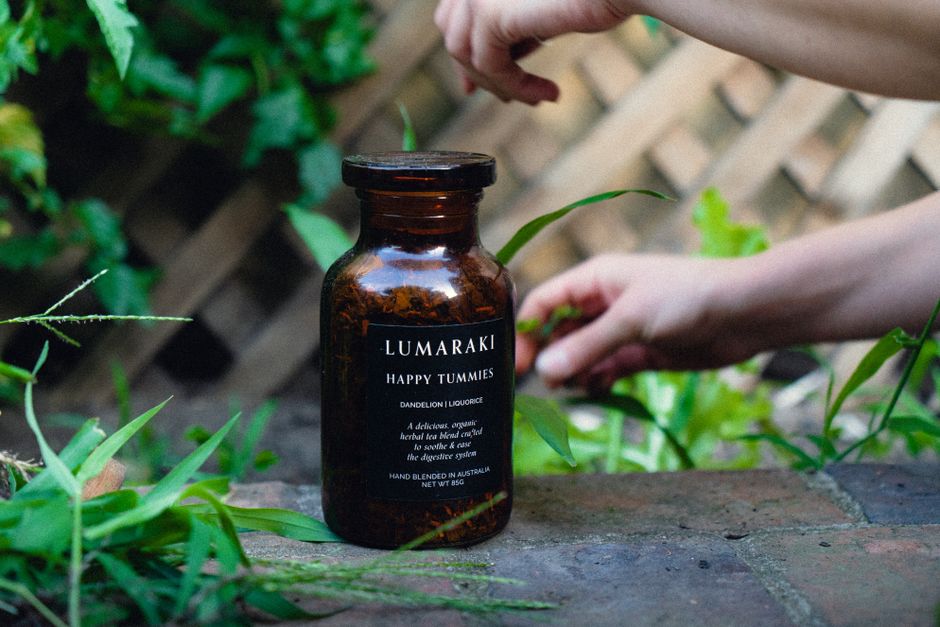
Dandelion root is a traditional herbal remedy used for digestive support, mild liver detoxification, and as a gentle diuretic. Research suggests it may help reduce water retention and support healthy digestion. The root comes from the common dandelion plant, which many people consider a weed but has a long history of medicinal use.
What is Dandelion Root and How Does It Work?
Dandelion root comes from the Taraxacum officinale plant. The root is harvested, dried, and used in teas, tinctures, capsules, and extracts. It contains several active compounds including sesquiterpene lactones, taraxasterol, and inulin.
The compounds in dandelion root are thought to stimulate bile production from the liver. Bile helps digest fats and carries waste products out of the body. The root also contains high levels of potassium, which balances its diuretic effect. Most diuretics cause potassium loss, but dandelion root naturally provides it.
Dandelion root also contains prebiotic fiber called inulin. This fiber feeds beneficial gut bacteria and supports regular bowel movements. The combination of these actions is why dandelion root has been used for centuries in traditional medicine systems worldwide.
Can Dandelion Root Help with Digestion?
Some studies suggest dandelion root can stimulate appetite and improve digestion. The bitter compounds in the root trigger taste receptors that signal the stomach to produce more digestive juices. This is similar to how other bitter herbs work.
A 2017 study in the journal Food and Chemical Toxicology found that dandelion root extract protected stomach tissue in animal models. It appeared to reduce inflammation in the gut lining. Human studies are limited, but the traditional use is well documented.
People with chronic indigestion or bloating sometimes report relief after using dandelion root tea or extract. The effect is mild and works best when taken before meals. It is not a treatment for serious digestive conditions like Crohn’s disease or ulcerative colitis.
Is Dandelion Root a Diuretic?
Yes, dandelion root has a mild diuretic effect. This means it helps the body get rid of excess water through increased urine production. Unlike prescription diuretics, dandelion root does not deplete potassium because it naturally contains this mineral.
A small study from 2009 measured urine output in healthy adults who took dandelion root extract. Participants produced significantly more urine in the five hours after taking the extract. The effect was comparable to some mild prescription diuretics but without the side effects.
People use dandelion root for water retention related to PMS, high sodium intake, or mild edema. It is not strong enough to treat serious fluid retention caused by heart failure or kidney disease. Always check with a doctor before using any diuretic if you have a medical condition.





Does Dandelion Root Support Liver Health?
Dandelion root is widely claimed to detoxify the liver. The evidence for this claim is mixed. Some animal studies show that dandelion root extract can protect liver cells from damage and reduce fat accumulation. Human studies are fewer and less conclusive.
A 2017 review in the Journal of Medicinal Food looked at multiple animal studies. The researchers found that dandelion root appeared to reduce oxidative stress in the liver and support bile flow. But they noted that more human trials are needed before making strong claims.
The liver detoxifies itself naturally every day. Dandelion root may support this process by increasing bile production, which helps remove waste products. But it does not “cleanse” the liver in the way many detox products claim. The body already has efficient detox systems that do not need dramatic interventions.
What Does Dandelion Root Do for Inflammation?
Some studies suggest dandelion root has anti-inflammatory properties. The active compounds taraxasterol and chicoric acid appear to reduce inflammatory markers in laboratory studies. This research is mostly done on cells or animals.
A 2014 study in International Immunopharmacology found that taraxasterol from dandelion reduced inflammation in mouse models of arthritis. The compound blocked certain inflammatory pathways. Whether this translates to humans at typical doses is not yet clear.
People with joint pain or general inflammation sometimes use dandelion root as part of their routine. The effect is likely mild and works best alongside other anti-inflammatory habits like diet and exercise. Do not rely on it as a primary treatment for inflammatory conditions.
Can Dandelion Root Affect Blood Sugar?
Evidence indicates dandelion root may help with blood sugar regulation. Animal studies show that dandelion root extract can improve insulin sensitivity and lower blood glucose levels. The inulin fiber in the root may also slow carbohydrate absorption.
A 2016 study in the Journal of Ethnopharmacology gave dandelion root extract to diabetic rats. The treated rats had lower blood sugar levels and improved liver function compared to controls. Human studies are still needed to confirm these effects.
If you have diabetes, talk to your doctor before using dandelion root. It could interact with blood sugar medications and cause levels to drop too low. Monitor your blood sugar closely if you try it.
What Are the Side Effects and Risks?
Dandelion root is generally safe for most adults when used in moderate amounts. Side effects are rare but can include heartburn, diarrhea, or allergic reactions. People allergic to ragweed, chrysanthemums, marigolds, or daisies may also react to dandelion.
Avoid dandelion root if you have gallbladder problems or bile duct blockages. The increased bile flow could worsen these conditions. People with kidney disease should also avoid it because of the diuretic effect.
Dandelion root can interact with several medications. It may interfere with lithium, antibiotics, and blood thinners like warfarin. The diuretic effect can also amplify the effects of blood pressure medications. Always discuss herbal supplements with your doctor if you take prescription drugs.
How Should You Take Dandelion Root?
Dandelion root comes in several forms. The most common are dried root for tea, capsules, tinctures, and liquid extracts. The best form depends on your preference and why you are using it.
For digestive support, drink dandelion root tea 15 to 20 minutes before meals. Steep one teaspoon of dried root in hot water for 10 minutes. For general use, capsules offer a convenient standardized dose. Tinctures are more concentrated and absorb quickly.
Typical doses range from 500 to 2000 mg of dried root per day when using capsules. For tea, 2 to 4 cups per day is common. Start with a lower dose and increase gradually to see how your body responds. The effects are mild and may take several weeks to notice.
Frequently Asked Questions
Is dandelion root safe to take every day?
Yes, dandelion root is safe for most people to take daily in moderate amounts. Start with a low dose and stop use if you experience any digestive upset or allergic reactions.
Does dandelion root interact with blood pressure medication?
Yes, dandelion root can interact with diuretic blood pressure medications by increasing their effect. This could cause blood pressure to drop too low, so consult your doctor before combining them.
How long does it take for dandelion root to work?
The diuretic effect can occur within a few hours of taking it. Digestive and anti-inflammatory benefits may take two to four weeks of consistent use to notice.
Can dandelion root help with weight loss?
Dandelion root may cause temporary weight loss from water loss, but it does not burn fat. Any weight lost is water weight and will return when you stop taking it.
