
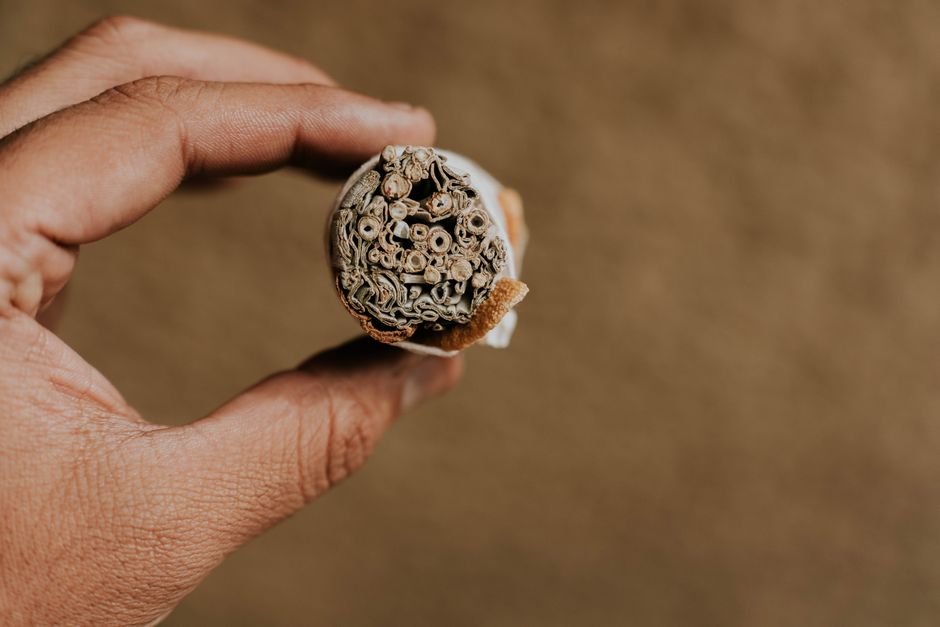
Chewing tobacco delivers nicotine and other harmful chemicals directly through the lining of your mouth. It is not a safe alternative to smoking. Regular use causes gum disease, tooth loss, precancerous lesions, and multiple forms of cancer. It also raises your risk of heart disease and stroke. The nicotine in chewing tobacco is highly addictive, which makes quitting difficult but not impossible.
What Does Chewing Tobacco Do to Your Mouth?
The most immediate damage happens where the tobacco sits. Chewing tobacco is held between the cheek and gum for extended periods. This constant contact exposes delicate oral tissues to at least 30 cancer-causing chemicals.
The first visible sign is often a white, leathery patch called leukoplakia. These patches appear exactly where the tobacco rests. They are precancerous. About 5% of leukoplakia lesions turn into oral cancer within ten years, according to longstanding clinical teaching. If the patch becomes red or mixed red-and-white, the risk is higher.
Gum health deteriorates quickly. The constant irritation causes gums to recede, pulling away from the teeth. Exposed tooth roots become sensitive to hot and cold. The gums also bleed more easily. Over time, the bone that anchors teeth in place erodes. Loose teeth and tooth loss follow.
Chewing tobacco also causes severe tooth wear. The gritty texture of the leaf grinds down enamel. The high sugar content in many flavored products feeds cavity-causing bacteria. The result is a combination of decay and abrasion that dentists see frequently in long-term users.
What Cancers Does Chewing Tobacco Cause?
Oral cancer is the most direct and well-documented risk. This includes cancers of the cheek, gums, tongue, lips, and the floor of the mouth. The floor of the mouth and the sides of the tongue are the most common sites where these cancers develop.
Esophageal cancer is another serious risk. When you swallow tobacco juices, carcinogens travel down the esophagus. This exposes that tissue to the same cancer-causing chemicals. Research consistently links smokeless tobacco use to esophageal cancer.
Pancreatic cancer risk is also elevated. The connection is less well understood than oral cancer, but the evidence is strong enough that major health organizations list it as a known risk. The mechanism likely involves nitrosamines, which are potent carcinogens found in high levels in chewing tobacco.
Cancer from chewing tobacco is not a distant possibility. It develops in the exact areas where the tobacco contacts tissue. The latency period can be years, but the damage accumulates with every dip.
How Does Chewing Tobacco Affect Your Heart and Blood Vessels?
Nicotine is a stimulant. It raises heart rate and blood pressure with every use. Over time, this constant strain damages blood vessels.
The risk of heart attack and stroke increases with regular use. Nicotine causes arteries to narrow and stiffen. This makes the heart work harder to pump blood. It also promotes blood clot formation, which is the direct cause of most heart attacks and strokes.
Studies have found that smokeless tobacco users have higher rates of fatal heart attacks and strokes compared to non-users. The risk is lower than it is for smokers, but it is still significantly elevated. This is not a safer alternative to smoking. It is a different set of serious health risks.
Some research suggests that certain chemicals in smokeless tobacco, beyond nicotine, directly damage the lining of blood vessels. This contributes to atherosclerosis, the buildup of plaque that narrows arteries.





Is Chewing Tobacco More Addictive Than Cigarettes?
Chewing tobacco delivers a higher dose of nicotine per use than a cigarette. A typical dip kept in the mouth for 30 minutes can deliver two to three times the nicotine of a single cigarette. This high dose reaches the bloodstream quickly through the oral lining.
Withdrawal symptoms from smokeless tobacco are intense. Users report strong cravings, irritability, anxiety, and difficulty concentrating. The hand-to-mouth ritual and the physical sensation of the dip in the lip add a behavioral component that makes quitting harder.
Many users develop a pattern of near-constant use. Unlike a cigarette, which ends in five minutes, a dip can stay in place for hours. This means nicotine levels in the blood remain elevated for longer periods. The addiction deepens with this sustained exposure.
What Are the Other Health Risks?
Digestive problems are common. Swallowed tobacco juices irritate the stomach lining. Many users experience chronic heartburn, nausea, and stomach pain. Long-term use increases the risk of stomach ulcers.
Reproductive health is affected. Nicotine constricts blood vessels throughout the body, including those that supply reproductive organs. Some studies suggest reduced sperm count and motility in male users. Pregnant women who use chewing tobacco expose the fetus to nicotine, which can affect fetal development.
Bad breath and stained teeth are socially significant consequences. The tobacco juice coats the teeth and tongue, causing yellow-brown discoloration that does not brush away easily. Persistent bad breath is nearly universal among users.
There is also a risk of accidental poisoning, especially for children. A single used dip contains enough nicotine to cause serious illness in a small child. Chewing tobacco must be stored out of reach of children at all times.
Can the Damage Be Reversed?
Some damage reverses after quitting. Leukoplakia patches often disappear within weeks or months of stopping tobacco use. Gum bleeding typically improves. The sense of taste and smell, which dull with use, returns to normal.
Other damage is permanent. Lost gum tissue and bone do not grow back. Worn enamel does not regenerate. Cancer risk decreases over time after quitting, but it never returns to the level of someone who never used tobacco.
Quitting is the single most effective step. Nicotine replacement therapy, such as gum or patches, can help manage cravings. Counseling and support groups improve success rates. Many users find that quitting cold turkey works best for them, though this is not supported by stronger evidence than gradual reduction.
The body begins repairing itself within hours of the last dip. Heart rate and blood pressure start to normalize within 20 minutes. Carbon monoxide levels in the blood, which are elevated in all tobacco users, drop quickly. These early changes are measurable and real.
How Does Chewing Tobacco Compare to Smoking?
Chewing tobacco is not safer than smoking. It is different. Smoking primarily damages the lungs and respiratory system. Chewing tobacco primarily damages the mouth, gums, and digestive tract. Both increase the risk of heart disease, stroke, and cancer.
Some users switch to chewing tobacco believing it is a harm-reduction strategy. The evidence does not support this. Smokeless tobacco carries its own set of serious health risks. The addiction to nicotine continues. The financial cost is similar.
Dual use is common. Many people both smoke and chew, which compounds the health risks. This pattern is particularly dangerous because it exposes both the lungs and the mouth to carcinogens simultaneously.
The only genuinely safer option is complete cessation of all tobacco products. No form of tobacco use is risk-free.
What Are the Signs of Oral Cancer?
Early detection saves lives. Oral cancer is highly treatable when caught early. The five-year survival rate for localized oral cancer is much higher than for cancer that has spread.
Watch for these signs:
- A sore in the mouth that does not heal within two weeks
- A lump or thickening in the cheek
- A white or red patch on the gums, tongue, or lining of the mouth
- Difficulty chewing, swallowing, or moving the jaw
- Numbness in the mouth or tongue
- Persistent sore throat or hoarseness
- A change in how your teeth fit together
These symptoms do not automatically mean cancer. Many other conditions cause similar signs. But any symptom lasting more than two weeks warrants a professional evaluation. Dentists are trained to spot oral cancer during routine exams. Regular dental visits are essential for anyone with a history of tobacco use.
How Do You Quit Chewing Tobacco?
Quitting requires a plan. The addiction is both physical and behavioral. Addressing both components improves the odds of success.
Nicotine replacement therapy is the most studied approach. Nicotine gum, lozenges, and patches are available over the counter. These reduce withdrawal symptoms while you break the behavioral habit. Prescription medications, such as bupropion and varenicline, are also effective. Your doctor can discuss whether these are appropriate for you.
Behavioral strategies help. Identify the situations that trigger the urge to dip. Common triggers include driving, social events, and stress. Replace the behavior with something else, such as sugar-free gum, sunflower seeds, or a toothpick. Keep your hands busy.
Support improves outcomes. Tell friends and family you are quitting. Join a support group. Many quitlines offer free coaching by phone. Multiple attempts are normal. Most successful quitters tried several times before they quit for good.
Frequently Asked Questions
How long does it take for chewing tobacco to cause cancer?
There is no fixed timeline. Cancer can develop after years of use, but the exact duration varies widely between individuals. The longer and more frequently you use, the higher the risk.
Can chewing tobacco cause cancer if you do not swallow the juice?
Yes. The cancer-causing chemicals are absorbed directly through the lining of your mouth. Swallowing is not required for harm to occur.
Is chewing tobacco worse than vaping?
Both carry serious health risks, but they are not directly comparable. Chewing tobacco is proven to cause oral cancer, gum disease, and cardiovascular disease. The long-term health effects of vaping are still being studied.
Does chewing tobacco cause weight gain or loss?
Nicotine suppresses appetite and slightly increases metabolism, which can lead to weight loss. This effect is not a health benefit, and weight often returns after quitting.
