
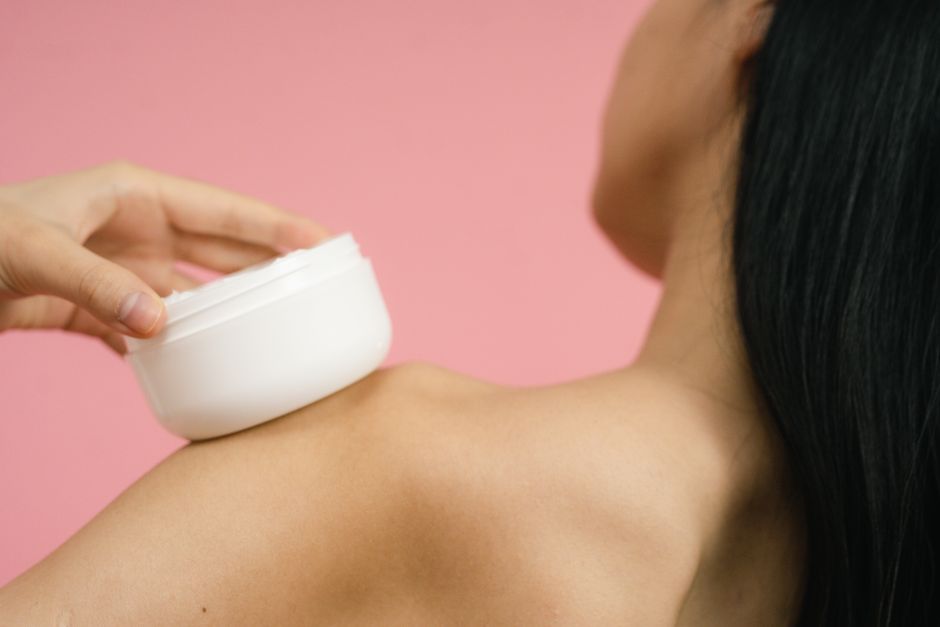
Cannabidiol cream is a topical product that applies CBD directly to the skin. It does not get you high, and most of what it does is local. The evidence is strongest for skin-level effects and weaker for anything deeper.
CBD is one of many compounds found in the cannabis plant. Unlike THC, it does not produce intoxication. When you rub it into your skin, very little enters your bloodstream compared to swallowing it. That single fact explains most of what CBD cream can and cannot do.
Here is the honest picture. Some research supports CBD’s role in skin inflammation and pain signaling. Large, long-term human trials on topical CBD are still limited. This article separates what is well established from what is still being studied, so you can judge a product’s claims for yourself.
What Does CBD Cream Do To Your Body And Skin?
CBD cream works mainly at the surface. It interacts with receptors in the skin and nearby tissue, and it does not travel far into the body when applied topically.
The skin is a strong barrier. Only a small fraction of what you apply crosses into the bloodstream. This is why topical CBD is generally described as acting locally rather than throughout the body. For most people, that means effects are confined to the area where you rub it in.
The body has an endocannabinoid system, a network of receptors and signaling molecules involved in regulating things like inflammation, pain, and skin function. CBD does not bind to the main cannabinoid receptors the way THC does. Instead, research suggests it influences this system indirectly, affecting how certain signals are processed. The exact mechanisms are still an active area of study.
One useful clarification. A cream and an oil are not the same. Creams and lotions are formulated to sit on the skin and deliver ingredients to the surface layers. Oils can feel heavier and may not absorb the same way. The base of the product affects how much CBD actually reaches the skin, not just the amount printed on the label.
How Does CBD Cream Affect the Skin?
The best-supported skin effects of CBD involve inflammation and oil regulation. These are local actions, and the research, while promising, is still mostly early-stage.
CBD has been studied for its effect on sebum, the oil your skin produces. Some research indicates CBD may help regulate sebum production, which is why it appears in products aimed at oily or acne-prone skin. This is not the same as proving it clears acne. The evidence does not yet support that claim.
CBD also shows anti-inflammatory activity in laboratory and some early human studies. Skin inflammation underlies conditions like redness, irritation, and some forms of dermatitis. Whether a cream delivers enough CBD to meaningfully reduce that inflammation in real-world use is not firmly established.
What CBD cream does not do is “reset” your skin or repair damage at a cellular level in the way some marketing suggests. No study has confirmed those claims. If a product promises to reverse aging or cure a skin condition, that is a sign to be skeptical.
Can CBD Cream Help With Pain and Inflammation?
Some people report relief from sore muscles and joint discomfort after using CBD cream. The evidence behind those reports is mixed and mostly from small studies.
CBD interacts with pain signaling pathways, and there is biological reason to think a topical product could dampen local discomfort. But biological plausibility is not the same as proven benefit. Small trials and anecdotal reports suggest possible relief for localized pain. Large, well-controlled human trials are still lacking.
It helps to separate two things. A cream applied to a sore knee acts on that knee. It is not treating pain throughout your body. Anyone expecting whole-body relief from a topical product is likely to be disappointed.
Some clinicians recommend topical CBD as part of a broader approach to localized discomfort. That reflects common practice, not a strong body of trial evidence. If pain is persistent or severe, a cream is not a substitute for proper medical evaluation.


Does CBD Cream Enter the Bloodstream?
Very little CBD from a cream reaches your bloodstream. Absorption through the skin is low, which is why topical CBD is not considered a way to get systemic effects.
Compare the routes. Inhaled or oral CBD can produce measurable blood levels and whole-body effects. A cream delivers a small local dose with minimal systemic absorption. This is also why CBD cream does not cause a high. The amount entering circulation is too small, and CBD itself is not intoxicating.
That low absorption cuts both ways. It makes topical use less likely to cause systemic side effects. It also limits how much the product can do beyond the skin. A cream cannot reasonably be expected to treat a condition that requires CBD to circulate through the body.
What Should You Look For in a CBD Cream?
The label matters more than the marketing. Dose, purity, and third-party testing are the things worth checking before you buy.
CBD products are not regulated the way medications are. Independent testing has repeatedly found that some products contain less CBD than the label states, or contain THC or contaminants that were not disclosed. Third-party lab testing is one of the few ways to verify what is actually in a product.
- Third-party testing. Look for a certificate of analysis from an independent lab.
- Clear CBD amount. The label should state how much CBD is in the product, not just “hemp extract.”
- Low or no THC. Especially if you may be drug tested or are sensitive to THC.
- Simple ingredient list. Fewer added fragrances and irritants is generally better for sensitive skin.
Be cautious with bold claims. “Clinically proven” and “cures” are red flags on any CBD product, because the clinical evidence for topical CBD does not support them.
Is CBD Cream Safe, and What Are the Risks?
CBD cream is generally well tolerated when applied to the skin. The most common issues are skin reactions rather than systemic effects.
Some people experience irritation, redness, or contact dermatitis from CBD itself or from other ingredients in the cream, such as fragrances or preservatives. A patch test on a small area is a reasonable precaution, particularly if you have sensitive skin.
Because so little enters the bloodstream, systemic side effects are unlikely with topical use. That said, the long-term safety data for topical CBD is limited. We do not have large, long-duration studies confirming safety over years of regular use.
Two groups deserve extra caution. If you are pregnant or breastfeeding, established guidance on CBD use is limited, and no clinical guidelines specifically clear topical CBD for these groups. Talk to a clinician before using it. The same applies if you take medications, since we know less about topical interactions than oral ones, though the low absorption makes significant interactions less likely.
CBD cream is not a treatment for any diagnosed medical condition, and it should not replace care for skin disease or chronic pain. If a skin problem is spreading, painful, or not improving, see a doctor rather than experimenting with creams.
How Does CBD Cream Compare to Other Forms of CBD?
Topical CBD is the most localized option. Oral and inhaled forms reach the whole body, while creams stay close to where you apply them.
| Form | Reaches bloodstream | Typical use |
|---|---|---|
| Topical cream | Minimal | Local skin or muscle area |
| Oral (oil, capsule, edible) | Yes, but absorption varies | Whole-body effects |
| Inhaled | Yes, quickly | Fast whole-body effects |
The table shows the core difference. If your goal is a local effect on skin or a specific sore area, a cream makes sense. If your goal involves effects throughout the body, a topical product is the wrong tool. Matching the form to the goal is more useful than chasing the highest milligram count.
Frequently Asked Questions
Does CBD cream get you high?
No. CBD is not intoxicating, and very little of it enters the bloodstream from a cream. Products should still be checked for THC content if that matters to you.
How long does CBD cream take to work?
There is no established timeline, and it varies by person and product. Some people report noticing effects within a short time of applying it, but this is not confirmed by large studies.
Can CBD cream help with acne?
Some early research suggests CBD may help regulate skin oil, but there is no strong evidence that it clears acne. It is not an established acne treatment.
Is CBD cream safe during pregnancy?
Established guidance is limited, and no clinical guidelines specifically clear topical CBD for pregnancy or breastfeeding. Talk to a clinician before using it.
