

Caffeine is a white, bitter-tasting crystalline powder. In its pure form it looks like fine salt or sugar, but at room temperature and pressure it has no smell and no color. Most people never see it that way. They meet it dissolved in coffee, tea, soda, or energy drinks, where it is invisible.
That gap between the pure chemical and the everyday drink is where a lot of confusion starts. People ask what caffeine looks like expecting one answer, then find out the substance appears in several very different forms depending on how it is processed and packaged.
What Does Caffeine Look Like in Its Pure Form?
Pure caffeine is a white powder made of tiny needle-shaped crystals. Under a microscope the crystals look like thin, silky threads packed together. To the naked eye it resembles powdered sugar, cornstarch, or fine table salt.
It has no odor. It dissolves easily in hot water and less easily in cold water. The taste is sharply bitter, which is why pure caffeine is rarely eaten on its own.
This is the form sold in caffeine powder and capsule products. That matters for safety. A small amount of pure powder contains a large dose, and measuring it accurately with a kitchen spoon is not possible. The U.S. Food and Drug Administration has warned consumers to avoid pure powdered caffeine because of the risk of accidental overdose. A level teaspoon of pure caffeine powder holds far more than a safe daily amount for an adult, and the difference between a safe serving and a dangerous one is too small to judge by eye.
Why You Almost Never See Caffeine in Food and Drinks
Caffeine in drinks is dissolved, so it has no visible form at all. A cup of black coffee and a cup of decaf can look identical. So can a caffeinated soda and its caffeine-free version.
This is the single most important thing to understand about how caffeine looks: in the products people actually consume, appearance tells you nothing. Color, clarity, and texture do not reveal caffeine content.
The amount varies widely even within the same type of product. A brewed coffee can range from modest to high depending on the bean, the grind, and how long it steeps. Espresso concentrates caffeine into a small volume. Tea leaves release caffeine differently depending on water temperature and steep time. None of this shows up on the surface of the liquid.
One clarification worth knowing: caffeine is not added to most coffee and tea. It occurs naturally in the plant. In many sodas and energy drinks, by contrast, caffeine is added as a separate ingredient, often as purified caffeine. Both routes lead to the same molecule, but the source is different.
What Do Caffeine Pills and Powder Look Like?
Caffeine tablets are small, usually white, and look much like any other compressed pill. Caffeine powder is a fine white powder that looks like flour or powdered sugar.
The tablet form is easier to dose because each pill is manufactured to a set amount. The powder form is where the real hazard sits. Pure powdered caffeine is sold in bags and tubs, and because it looks so ordinary, it is easy to mistake for something harmless.
Products that combine caffeine with other ingredients add another layer of risk. A pill that also contains stimulants like synephrine or other botanical extracts is not the same as plain caffeine, and the combination has been linked to reports of serious harm. The appearance of a small white capsule gives no clue about what else is inside.

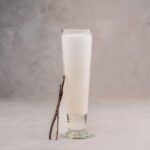



How Does Caffeine Look Different in Coffee, Tea, and Energy Drinks?
In every brewed drink, caffeine is fully dissolved and invisible. What changes is concentration, not appearance.
Espresso is a small, dark, concentrated shot. A large drip coffee is mostly water with caffeine spread through a bigger volume. The color comes from roasted bean compounds, not caffeine. A pale tea and a dark tea can carry similar caffeine, and steeping longer darkens the liquid while also pulling out more caffeine and more bitter compounds.
Energy drinks often look brightly colored and clear or translucent. The vivid color comes from added dyes and flavors, not from caffeine. A clear energy drink can hold as much caffeine as a dark coffee. The look of the drink is marketing, not chemistry.
Some products list caffeine content on the label. Many do not, especially in coffee shops and in drinks mixed on site. When the number is not stated, the appearance of the drink cannot fill the gap.
Does Caffeine Have a Smell or Taste You Can Detect?
Caffeine itself is odorless. The smell of coffee comes from hundreds of aroma compounds created during roasting, not from caffeine. That is why decaf coffee still smells like coffee.
The taste is another matter. Caffeine is bitter, and it contributes to the bitterness of coffee and tea. But bitterness in those drinks also comes from other compounds, so you cannot taste your way to a caffeine estimate. A bitter cup is not necessarily a high-caffeine cup, and a smooth one is not necessarily low.
This is a common point of confusion. People assume a strong, bitter taste signals more caffeine. In reality, roasting and brewing affect flavor and caffeine somewhat independently. Dark roasts can taste bolder while measuring lower in caffeine by volume than lighter roasts, because the beans lose mass during longer roasting and are often scooped by volume rather than weight.
Why the Appearance of Caffeine Matters for Safety
The plain look of caffeine is exactly what makes it risky in concentrated forms. A white powder that resembles sugar or flour invites casual handling, and the margin between a normal amount and a harmful one is narrow in pure form.
For most adults, moderate caffeine intake from drinks is considered safe by major health authorities. The concern is concentrated products: pure powder, high-dose pills, and combinations with other stimulants. These are where accidental overconsumption happens.
Signs of too much caffeine can include a racing heart, restlessness, upset stomach, and trouble sleeping. In large overdoses the effects can be serious and require emergency care. If someone has swallowed a large amount of caffeine powder or pills, treat it as an emergency and seek help right away.
If you want to know how much caffeine is in what you drink, the answer will not come from looking at it. Check labels where they exist, and treat unlabeled coffee-shop and mixed drinks as unknown rather than assuming a standard amount.
Frequently Asked Questions
What does caffeine look like in its natural form?
It is a white, odorless crystalline powder that looks like fine salt or sugar. In plants it exists dissolved within the leaves, beans, and fruit rather than as visible crystals.
Can you see caffeine in coffee or tea?
No. Caffeine is fully dissolved in brewed drinks, so it is invisible and does not affect color or clarity. A decaf and a regular cup can look exactly the same.
Is pure caffeine powder dangerous?
Yes. Pure powdered caffeine is easy to misjudge, and the gap between a safe amount and a harmful one is very small. The FDA has warned consumers to avoid it because of overdose risk.
Does darker coffee mean more caffeine?
Not reliably. Roast level affects flavor and bean mass more than caffeine, and brewed caffeine depends heavily on how much coffee is used and how it is prepared. Color is not a dependable guide.
