
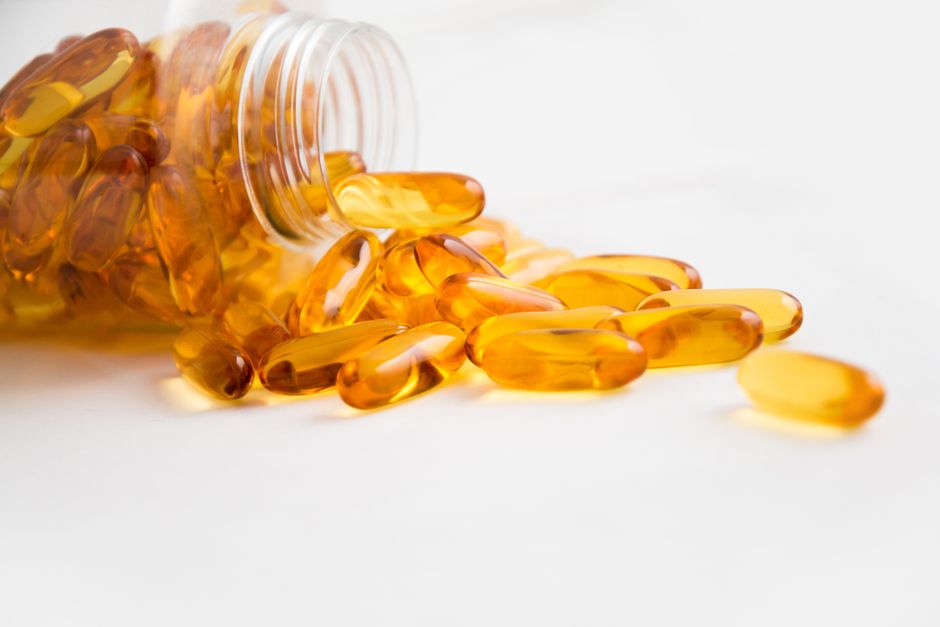
Bromelain is a group of protein-digesting enzymes found in the stem and fruit of the pineapple plant. It is not a single substance but a mixture of enzymes, mainly proteases, that break down proteins into smaller pieces called peptides and amino acids. Bromelain has been studied for decades for its possible effects on swelling, inflammation, digestion, and blood clotting, though the strength of evidence varies widely depending on the claim.
What Does Bromelain Do in the Body?
Bromelain works by breaking down proteins. That single action explains most of its effects in the body and most of the research interest around it.
When you eat bromelain, some of it survives the acidic environment of the stomach and reaches the small intestine, where it can help break down dietary protein. This is the basis for its use as a digestive aid.
When bromelain enters the bloodstream — which happens to some degree when taken as a supplement — it appears to interact with proteins on cell surfaces and in the blood. This is where its anti-inflammatory and anti-clotting effects are thought to originate. The exact pathways are still being studied, and researchers do not fully agree on how much bromelain reaches the bloodstream intact or how long it stays active.
That distinction matters. A lot of what bromelain does in a laboratory dish may not translate to what it does in a living human body. Biological plausibility is not the same as proven clinical benefit.
What Is Bromelain Used For?
Bromelain has been studied for several health conditions. The evidence is not equally strong for all of them.
The most studied uses include:
- Reducing swelling and inflammation after surgery or injury
- Helping with digestion of protein
- Reducing pain and swelling in arthritis
- Supporting recovery from sinusitis and other inflammatory conditions
- Possible effects on blood clotting
Some of these uses have more research behind them than others. Post-surgical swelling and inflammation have been studied the most. Digestive uses have more traditional and mechanistic support than large clinical trial evidence. Blood clotting effects have been observed in laboratory and some human studies, but the clinical significance is still being worked out.
Bromelain is also sometimes marketed for weight loss, cancer prevention, and immune support. Those claims are not supported by strong human evidence. Some early laboratory research has looked at bromelain and cancer cells, but this is very preliminary and does not mean bromelain treats or prevents cancer in people.
How Does Bromelain Compare to Other Anti-Inflammatory Approaches?
Bromelain is often compared to nonsteroidal anti-inflammatory drugs (NSAIDs) like ibuprofen. The comparison is understandable but not straightforward.
NSAIDs have decades of large clinical trials behind them for pain and inflammation. They work by blocking specific enzymes involved in the inflammatory response. They are proven effective for many conditions, but they also carry risks like stomach irritation, kidney effects, and cardiovascular concerns with long-term use.
Bromelain has been studied in smaller trials, often with mixed results. Some studies suggest it may reduce swelling and pain after surgery or injury. But the trials are generally smaller, shorter, and less standardized than those for NSAIDs. That does not mean bromelain does not work. It means the evidence is not at the same level.
Some clinicians recommend bromelain as a complementary approach, especially for people who cannot take NSAIDs. But it is not a replacement for proven treatments in serious conditions.
| Approach | Evidence Strength | Common Uses | Key Considerations |
|---|---|---|---|
| Bromelain | Moderate for some uses, limited for others | Swelling, inflammation, digestion | Blood-thinning effects possible; interacts with some medications |
| NSAIDs | Strong | Pain, inflammation, fever | Gastrointestinal, kidney, and cardiovascular risks with long-term use |
| Other proteolytic enzymes | Limited to moderate | Similar uses to bromelain | Often combined with bromelain in supplements |
What Does the Research Actually Show?
Research on bromelain goes back to the 1950s. Since then, it has been studied for a range of conditions, but the quality of studies varies.
For post-surgical swelling and inflammation, some studies have found that bromelain may reduce swelling and pain compared to placebo. These findings are promising but not definitive. Many of these studies are small, and some were conducted decades ago when research standards were different.
For arthritis, some studies suggest bromelain may reduce pain and improve function in people with osteoarthritis. But the evidence is not strong enough to say bromelain is a proven treatment for arthritis.
For digestion, bromelain’s ability to break down protein is well established in laboratory settings. Whether it significantly improves digestion in people who take it as a supplement is less clear. Some people report benefits, but large controlled trials are lacking.
For blood clotting, laboratory studies show bromelain can inhibit platelet aggregation and break down fibrin, a protein involved in clot formation. Some human studies have shown changes in clotting markers, but it is not clear whether these changes are clinically meaningful or consistent.
One important point: many bromelain studies use different doses, different formulations, and different sources. This makes it hard to compare results or draw firm conclusions. The lack of standardization is a real limitation in bromelain research.
What Are the Risks and Side Effects of Bromelain?
Bromelain is generally considered safe for most people when taken in typical supplement doses. But “generally considered safe” does not mean risk-free.
Common side effects include stomach upset, diarrhea, and nausea. Some people may have allergic reactions, especially those with pineapple or latex allergies. If you are allergic to pineapple, you should avoid bromelain.
Bromelain may increase the risk of bleeding, especially when combined with blood-thinning medications like warfarin, aspirin, or clopidogrel. It may also interact with antibiotics, increasing their levels in the body. If you take any prescription medications, talk to your doctor before starting bromelain.
People with bleeding disorders or those scheduled for surgery should use caution. Some clinicians recommend stopping bromelain at least two weeks before surgery, though this is based on general precaution rather than specific clinical trials.
Bromelain has not been well studied in pregnant women, breastfeeding women, or children. No clinical guidelines currently exist for these populations. It is best to avoid bromelain supplements during pregnancy and breastfeeding unless a doctor specifically recommends them.
How Should Bromelain Be Taken?
Bromelain is available as a supplement in capsules, tablets, and powders. It is also found naturally in pineapple, especially in the stem and core.
Supplement doses vary widely. There is no single standard dose, and doses used in studies range from a few hundred milligrams to several thousand milligrams per day, often divided into multiple doses. Because bromelain is measured in different ways — sometimes in milligrams, sometimes in enzyme activity units — comparing products is not always straightforward.
If you are considering bromelain, talk to your doctor first. This is especially important if you take any medications, have a bleeding disorder, or have surgery planned. A doctor can help you weigh the potential benefits against the risks.
Eating pineapple is a different matter. The amount of bromelain in a typical serving of pineapple is much lower than what is used in supplements, and it is unlikely to cause medication interactions or significant side effects for most people.
Does Bromelain Really Work for Inflammation?
Bromelain may help reduce inflammation, but it is not a proven anti-inflammatory treatment on the level of NSAIDs or prescription medications.
Some studies suggest it can reduce swelling and pain after surgery or injury. Other studies have found no significant difference compared to placebo. The evidence is mixed.
Part of the problem is that inflammation is complex. It involves many different pathways and cell types. Bromelain may affect some of these pathways, but it is unlikely to address all of them. That is why it may work for some people and some conditions but not others.
If you are looking for a proven anti-inflammatory, bromelain is not the first choice. If you are looking for a complementary approach and your doctor approves, it may be worth considering. But do not expect it to replace proven treatments for serious inflammatory conditions.
Is Bromelain a Proven Treatment for Anything?
Bromelain is not a proven treatment for any specific disease. It has been studied for many conditions, and some research suggests it may help with certain types of swelling and inflammation. But the evidence is not strong enough to call it a proven treatment.
That does not mean it is useless. It means the research is not yet at the level where doctors can confidently recommend it as a standard treatment. Some clinicians use it as a complementary approach, especially for post-surgical swelling. Others do not recommend it at all.
The bottom line: bromelain is a fascinating enzyme with real biological activity. But the gap between what it does in a laboratory and what it does in a human body is still being studied. If you are considering bromelain, go in with realistic expectations and talk to your doctor first.
Frequently Asked Questions
What does bromelain do for the body?
Bromelain breaks down proteins and may help reduce inflammation and swelling. Some research suggests it can support digestion and affect blood clotting, but the evidence varies by use.
Is bromelain safe to take every day?
Bromelain is generally considered safe for most people in typical supplement doses, but it can cause stomach upset and may increase bleeding risk. Talk to your doctor before taking it daily, especially if you take medications.
Can bromelain help with arthritis pain?
Some studies suggest bromelain may reduce arthritis pain and improve function, but the evidence is not strong enough to call it a proven treatment. More research is needed.
Does bromelain interact with medications?
Yes, bromelain may interact with blood thinners, antibiotics, and some other medications. Always check with your doctor or pharmacist before starting bromelain if you take any prescription drugs.
