
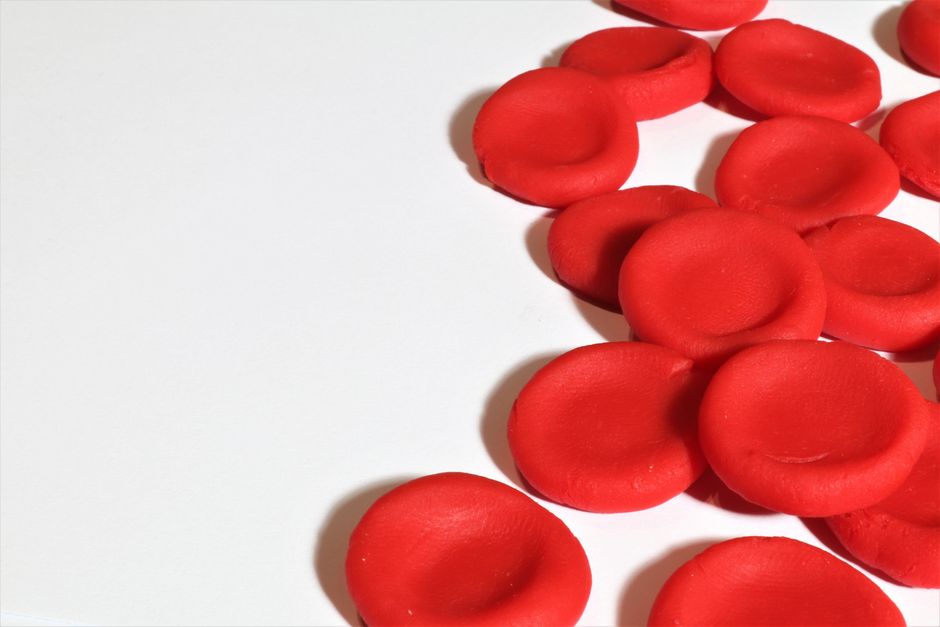
Blood is a fluid connective tissue that carries oxygen, nutrients, hormones, and immune cells through the body. It also holds a unique place in human culture, appearing in rituals, oaths, art, and religious texts across nearly every civilization. Biology and symbolism both treat blood as the substance of life itself, which is why it carries so much weight in both medicine and meaning.
What Does Blood Represent From Biology To Symbolism?
Biologically, blood represents transport, defense, and regulation. Symbolically, it represents life, kinship, sacrifice, and identity.
These two meanings are not as separate as they might seem. Long before anyone understood circulation, people could see that losing blood meant losing life. That observation shaped how cultures treated blood for thousands of years.
In medicine, blood is a working fluid with measurable jobs. In culture, it is a marker of who you are and where you come from. The overlap between the two is where most of the interesting questions live.
What Does Blood Do in the Body?
Blood performs three core jobs: it delivers, it defends, and it regulates.
Delivery is the most familiar role. Red blood cells contain hemoglobin, a protein that binds oxygen in the lungs and releases it in tissues. Blood also carries glucose, amino acids, fats, vitamins, and hormones to cells that need them.
Defense comes from white blood cells and the proteins they use to fight infection. Some white cells engulf bacteria directly. Others produce antibodies that mark threats for destruction. Platelets and clotting proteins seal breaks in blood vessels.
Regulation is less obvious but just as important. Blood helps control body temperature by moving heat from the core to the skin. It buffers pH within a narrow range. It also distributes hormones that coordinate organ function.
These jobs happen constantly, whether you are awake or asleep. A healthy adult has roughly 1.2 to 1.5 gallons of blood circulating at any moment, and the body replaces worn-out blood cells continuously.
What Do the Components of Blood Represent?
Each part of blood has a specific role, and each maps to a meaning people have attached to blood over time.
- Red blood cells carry oxygen. They represent vitality and energy in many traditions.
- White blood cells fight infection. They represent protection and the body’s defenses.
- Platelets stop bleeding. They represent repair and sealing what is broken.
- Plasma is the liquid that carries everything else. It represents the medium that holds life together.
This breakdown is modern. Ancient cultures did not know about cells or platelets. But they noticed that blood was warm, red, and necessary for life, and they built their ideas around that observation.





Why Is Blood So Common in Ritual and Religion?
Blood appears in religious and ritual practice because it is the most visible sign of life and death.
In many ancient traditions, blood was offered to gods or spirits as a gift of something precious. Animal sacrifice was common across cultures in the ancient world, from Mesopotamia to Greece to Mesoamerica. The logic was consistent: life is in the blood, so giving blood is giving life.
Blood also marked covenants and kinship. Oaths sealed with blood appear in historical records across Europe, Africa, and Asia. The idea was that shared blood created a bond that could not be broken.
Some traditions treated blood as ritually pure or impure depending on context. Menstrual blood, in particular, was viewed differently across cultures. Some groups treated it as sacred, others as a source of contamination. These views varied widely and were not universal.
What is consistent is the underlying recognition: blood is not just a fluid. It is a marker of something deeper.
What Does Blood Symbolize in Different Cultures?
Blood symbols vary by culture, but a few themes repeat.
Life and vitality. In many traditions, blood is the substance that carries life force. This appears in Chinese, Indian, and Indigenous American belief systems, though the details differ.
Kinship and ancestry. Phrases like “bloodline” or “blood relative” reflect the idea that family connection is carried in blood. This is a metaphor, not a biological fact. Genetics is more complicated than shared blood alone.
Sacrifice and redemption. Several religious traditions include blood sacrifice as a way to restore a relationship with the divine. In Christianity, the symbolism of Christ’s blood is central to theology.
Violence and guilt. Blood also represents harm. “Blood on your hands” is a phrase in many languages. It ties the physical reality of bleeding to moral responsibility.
Purity and danger. Some cultures treat blood as both sacred and dangerous. It can bless or contaminate, depending on the situation.
These meanings often coexist, even within a single culture. Blood is rarely just one thing.
Why Is Blood Used in Art and Literature?
Blood works in art and literature because it is immediate. It shows up on the page or canvas and the reader or viewer understands something without explanation.
In literature, blood often signals a turning point. A wound, a murder, a birth, or a sacrifice. It marks the moment when something changes.
In visual art, blood can be literal or symbolic. It can represent suffering, passion, violence, or connection. The meaning depends on context, but the signal is always strong.
Blood also appears in horror and thriller genres because it triggers a direct physical response. The body reacts to the sight of blood in ways that are hard to control. That reaction is part of why blood imagery is so effective.
How Is Blood Used in Medicine Today?
In modern medicine, blood is both a diagnostic tool and a treatment.
Blood tests measure hundreds of substances, from glucose and cholesterol to hormones and markers of organ function. A complete blood count, for example, measures red cells, white cells, and platelets. These numbers help doctors detect anemia, infection, and other conditions.
Blood transfusion is a standard treatment for severe blood loss, certain types of anemia, and some bleeding disorders. Donated blood is screened and typed before use. Compatibility matters because mismatched blood can cause a dangerous immune reaction.
Blood also carries risks. Some infections spread through blood contact, which is why needle sharing and unprotected exposure to blood are public health concerns. Bloodborne pathogens include viruses that affect the liver and immune system.
In recent years, research has explored using blood-based tests to detect cancers and other diseases earlier. Some of these tests are in clinical use. Others are still being studied. The evidence is not yet strong enough to say they replace standard screening for most conditions.
What Are Common Myths About Blood?
Several popular ideas about blood are not supported by evidence.
Myth: Blood type determines personality. This idea is popular in some countries, especially Japan, where it is sometimes compared to astrology. No reliable research supports a link between blood type and personality traits.
Myth: You can “thin” your blood with certain foods. Some foods and supplements can affect clotting, but the effect is usually modest. Prescription blood thinners work through specific mechanisms and are monitored with blood tests. Food alone is not a substitute.
Myth: Blood is always red. Blood is red, but the shade varies. Oxygen-rich blood in arteries is brighter red. Oxygen-poor blood in veins is darker. In some medical settings, blood can appear almost black.
Myth: “Blood memory” is a biological fact. The idea that trauma or experience is passed down through blood is not supported by biology. Genetics can influence how the body responds to stress, but that is different from memory.
Myth: Detoxing your blood is necessary. The liver and kidneys filter blood continuously. No supplement or diet has been shown to improve this process in healthy people.
Why Does Blood Feel Different From Other Body Tissues?
Blood feels different because it is both inside you and visible. Most organs stay hidden. Blood shows up when something goes wrong.
That visibility is why blood carries so much emotional weight. A cut, a nosebleed, or a blood test puts something usually internal on the outside. The reaction is often immediate, even when the situation is minor.
Blood also moves. It circulates, it pulses, it responds to emotion. Fear and stress can change heart rate and blood pressure, which changes how blood feels in the body. That connection between blood and feeling is real, not just symbolic.
So the line between biology and symbolism is thinner than it looks. Blood is a fluid with measurable functions. It is also a signal that the body is alive, wounded, or connected to others. Both meanings come from the same source.
Frequently Asked Questions
What does blood symbolize in most cultures?
Blood most commonly symbolizes life, kinship, sacrifice, and identity. The specific meaning varies by culture and context, but these themes appear across many traditions.
Is blood type linked to personality?
No reliable evidence supports a link between blood type and personality. The idea is popular in some cultures but has not held up in research.
How much blood does the average adult have?
A healthy adult typically has about 1.2 to 1.5 gallons of blood. The exact amount depends on body size and other factors.
Can you live without blood?
No. Blood is required to deliver oxygen and nutrients to every organ. Without it, cells begin to die within minutes.
