
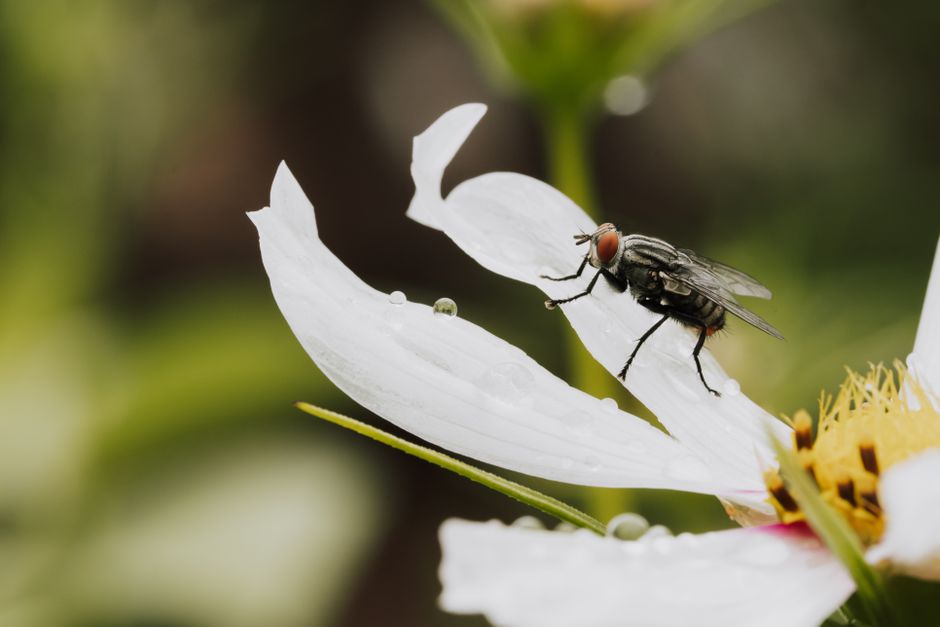
Bee pollen tastes like a mix of flowers, grass, and mild honey with a slightly bitter finish. The tiny granules start soft and chewy, then release a dusty, floral flavor that reminds most people of crushed wildflowers or hay. Some granules are almost sweet, while others have a noticeable bitter or tangy bite depending on the flowers the bees visited.
What Does Bee Pollen Taste Like Exactly?
The short answer is that bee pollen tastes floral, slightly sweet, and a little bitter all at once. Think of it as concentrated flower flavor with a powdery texture. The sweetness is subtle — nothing like honey. It is closer to the taste of raw sunflower seeds or chamomile tea.
The bitterness comes from the pollen’s outer shell, called the sporopollenin layer. That layer protects the pollen inside the bee’s stomach and also gives it that slight edge on your tongue. Some people describe it as “earthy” or “grassy” the way fresh-cut grass smells.
Most granules are yellow, orange, or brown, but color does not always predict taste. Yellow granules from dandelions or clover tend to be milder and sweeter. Darker granules from buckwheat or chestnut flowers are stronger and more bitter. If you buy a mixed batch, expect a range of flavors in one spoonful.
Does the Source of Bee Pollen Change the Taste?
Yes, the taste changes dramatically based on what flowers the bees visited. Bee pollen is not one single flavor. It is a blend of pollens from dozens of plant species. A batch from a farm near an orange grove tastes different from one collected near a pine forest.
Here are some common sources and their typical flavor profiles:
- Clover and dandelion pollen — mild, slightly sweet, almost nutty
- Buckwheat pollen — strong, earthy, noticeably bitter
- Sunflower pollen — mild and grassy with a hint of honey
- Eucalyptus pollen — herbal with a medicinal undertone
- Mixed wildflower pollen — complex, floral, with varying bitterness
If you buy from a local beekeeper, the taste reflects what grows in your area. That is why some people love bee pollen and others find it unpleasant. You may have simply tried a batch from flowers you do not enjoy. Try a different source before deciding you dislike it entirely.
How Does the Texture Affect the Taste Experience?
Texture plays a big role in how bee pollen tastes. Fresh bee pollen granules are soft and slightly moist. They crumble easily between your fingers. When you chew them, they start grainy and then dissolve into a paste that coats your mouth.
Dried bee pollen is harder and crunchier. It takes longer to break down, which means the flavor releases slowly. Some people find dried granules too tough to chew plain. Rehydrating them in water, juice, or yogurt softens the texture and mellows the bitterness.
Frozen bee pollen keeps the most original texture and flavor. Freezing stops the granules from drying out. If you buy fresh pollen and freeze it right away, it stays soft and tastes closest to what the bees collected. The CDC notes that freezing also reduces the risk of microbial growth, which is a real concern with raw pollen.




How Does Bee Pollen Compare to Other Bee Products?
People often assume bee pollen tastes like honey because both come from bees. They are very different. Honey is pure sugar sweetness. Bee pollen is floral, bitter, and complex. The table below shows the main taste differences.
| Product | Primary Flavor | Texture | Sweetness Level |
|---|---|---|---|
| Bee pollen | Floral, earthy, slightly bitter | Granular, chewy | Low to mild |
| Honey | Sweet, floral | Syrupy, thick | High |
| Propolis | Bitter, resinous, medicinal | Sticky, hard | None |
| Royal jelly | Sour, slightly sweet, acidic | Gel-like, creamy | Low |
Propolis is the most bitter of all bee products. Some people describe it as tasting like tree sap mixed with glue. Royal jelly has a sour tang that surprises most people. Bee pollen sits in the middle — more approachable than propolis but not as universally liked as honey.
What Are the Best Ways to Make Bee Pollen Taste Better?
If you try bee pollen plain and do not enjoy it, do not give up. There are simple ways to mask or complement the bitterness. The most common method is mixing it into foods that already have strong flavors.
Sprinkle bee pollen on yogurt or oatmeal. The creaminess softens the texture and the sweetness of the fruit balances the bitterness. Smoothies work well too. Blend the granules into a banana and berry smoothie and you will barely notice the pollen taste at all.
Some people soak bee pollen in warm water or juice for 10 minutes before eating it. Rehydration reduces the crunch and mellows the bitter compounds. You can also mix it into salad dressings, drizzle it over toast with avocado, or stir it into warm tea. Avoid cooking or baking with bee pollen. High heat destroys the nutrients and changes the flavor into something unpleasant.
What Are the Side Effects of Bee Pollen Taste and Consumption?
Bee pollen is safe for most people in small amounts, but it can cause allergic reactions. The same compounds that give bee pollen its floral taste can trigger responses in people allergic to pollen from ragweed, chrysanthemums, or other flowering plants. Symptoms range from mild itching to severe anaphylaxis.
Research published in the Journal of Allergy and Clinical Immunology has documented cases of anaphylaxis from bee pollen supplements. The risk is low but real. If you have seasonal allergies, especially to ragweed, start with a single granule. Wait 24 hours. If no reaction occurs, slowly increase the amount.
Other reported side effects include stomach upset, diarrhea, and skin rashes. These are uncommon and usually happen with large doses. The American Academy of Allergy, Asthma & Immunology advises that people with asthma or known pollen allergies should avoid bee pollen entirely. Pregnant and breastfeeding women should also avoid it due to a lack of safety data.
Common Misconceptions About Bee Pollen Taste
A common myth is that bee pollen tastes like honey because it comes from bees. As discussed, honey and pollen have completely different flavor profiles. Another myth is that darker pollen is always more nutritious. Color indicates the plant source, not the nutrient content. A study in the Journal of Agricultural and Food Chemistry found that nutrient levels vary more by plant species than by color.
Some people claim bee pollen tastes “good” or “bad” as if it is one consistent thing. That is not accurate. The taste varies by region, season, and flower source. A batch from spring wildflowers in California tastes nothing like a batch from autumn goldenrod in the Midwest. If you disliked one batch, try another before writing off bee pollen completely.
There is also a misconception that bee pollen must be eaten raw to taste right. That is not true. Many people prefer it rehydrated or mixed into food. The taste does not degrade from soaking or blending. Only high heat changes it for the worse.
Frequently Asked Questions
Does bee pollen taste like honey?
No, bee pollen does not taste like honey. Honey is intensely sweet while bee pollen is floral, earthy, and slightly bitter with only a mild sweetness.
Can you eat bee pollen straight from the jar?
Yes, you can eat bee pollen straight from the jar. Start with a small amount like a pinch to see if you enjoy the flavor and texture.
Does bee pollen taste different depending on the flower?
Yes, the taste changes based on the flowers bees visited. Clover pollen is mild and sweet while buckwheat pollen is strong and bitter.
Is bee pollen supposed to be bitter?
Some bitterness is normal in bee pollen. The outer shell of the granule contains bitter compounds that protect the pollen inside.
