
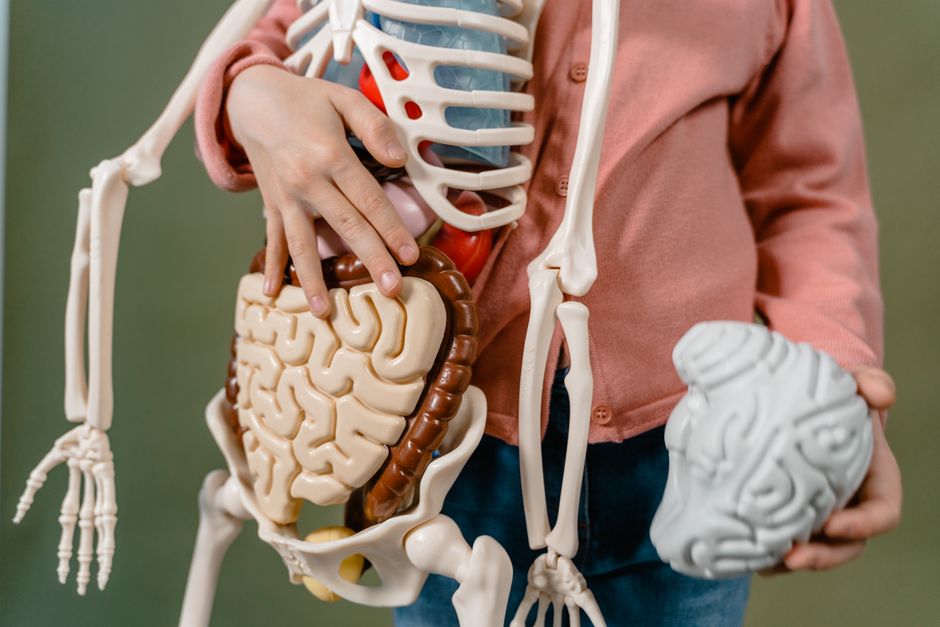
Bad gut health shows up in ways you might not expect. Bloating after meals, irregular bowel movements, and constant fatigue are common signs. But it can also affect your mood, skin, and immune system. Your gut does more than digest food, and when something is off, your whole body feels it.
What Does Bad Gut Health Look Like in Daily Life?
The most obvious signs happen in your digestive system. You might feel bloated even after small meals. Gas might be a regular problem. Your bowel movements could be unpredictable, swinging between constipation and diarrhea.
But bad gut health is not just about stomach issues. Research shows it can affect your energy levels. Many people report feeling tired all the time, even after a full night’s sleep. This happens because an unhealthy gut struggles to absorb nutrients from food properly.
Skin problems are another clue. Conditions like acne, eczema, and rosacea have been linked to gut health. Some studies suggest that inflammation in the gut can trigger inflammation in the skin. If your skin is acting up and you cannot figure out why, your gut might be the cause.
Mood changes are also common. The gut produces about 90 percent of your body’s serotonin, the chemical that helps regulate mood. When your gut is out of balance, your mood can take a hit. Anxiety and irritability are frequent complaints from people with poor gut health.
What Causes Poor Gut Health?
Diet is the biggest factor. A diet high in processed foods, sugar, and unhealthy fats feeds the wrong types of bacteria in your gut. These bacteria can outgrow the beneficial ones, leading to an imbalance called dysbiosis.
Antibiotics are another major cause. They kill harmful bacteria, but they also kill good bacteria. Multiple rounds of antibiotics can leave your gut microbiome depleted. As of 2026, research continues to show that even one course of antibiotics can alter your gut bacteria for months.
Chronic stress plays a big role too. When you are stressed, your body releases cortisol. High cortisol levels can damage the lining of your gut and reduce the diversity of your microbiome. This is why people often have digestive issues during stressful periods.
Lack of sleep is often overlooked. Your gut bacteria follow a circadian rhythm just like you do. When you do not get enough sleep, that rhythm gets disrupted. Studies have found that even a few nights of poor sleep can reduce the number of beneficial bacteria in your gut.
How Can You Tell If Your Gut Health Is Bad?
Doctors do not have a single test to diagnose “bad gut health.” But there are patterns to watch for. If you have three or more of the following symptoms regularly, your gut might need attention.
- Bloating or gas after most meals
- Chronic constipation or diarrhea
- Unexplained fatigue or low energy
- Frequent food intolerances
- Skin issues like acne or eczema
- Mood swings or persistent anxiety
- Weakened immune system, getting sick often
- Unintentional weight changes
One of the more subtle signs is sugar cravings. Certain bacteria in your gut thrive on sugar. When they overgrow, they can send signals to your brain that make you crave more sugar. This creates a cycle that is hard to break.
Some people also notice a white coating on their tongue. This is not always a sign of gut issues, but it can be. An overgrowth of yeast or bacteria in your gut can sometimes show up in your mouth.





What Does Research Say About Fixing Gut Health?
Research shows that diet changes are the most effective way to improve gut health. Increasing fiber intake is one of the strongest recommendations. Fiber feeds beneficial bacteria and helps them grow. Foods like oats, beans, lentils, and vegetables are good sources.
Fermented foods also have solid evidence behind them. Yogurt, kefir, sauerkraut, and kimchi contain live bacteria that can add to your microbiome. Some studies suggest that eating fermented foods regularly can reduce inflammation and improve digestion.
Probiotic supplements are more debated. Some studies show benefits for specific conditions like antibiotic-related diarrhea. But the evidence for general use is mixed. Different probiotic strains do different things, and there is no one-size-fits-all supplement.
Prebiotics are less talked about but just as important. These are fibers that feed the good bacteria you already have. Garlic, onions, bananas, and asparagus are natural prebiotics. Current research suggests that eating prebiotic foods may be more effective than taking probiotic pills.
What Should You Avoid for Better Gut Health?
Artificial sweeteners are worth cutting back on. Some studies suggest they can alter gut bacteria in negative ways. Splenda and aspartame have been linked to reduced beneficial bacteria in animal studies. Human research is still limited, but the pattern is concerning.
Processed foods are another clear culprit. They are low in fiber and high in additives that may disrupt gut bacteria. Emulsifiers, which are common in packaged foods, have been shown to damage the gut lining in some animal studies.
Overuse of antacids can also cause problems. These medications reduce stomach acid, which is needed to kill harmful bacteria before they reach your gut. Long-term use has been linked to an increased risk of gut infections.
Alcohol is tricky. Small amounts, especially red wine, may actually benefit gut bacteria due to polyphenols. But heavy drinking is clearly damaging. It can kill beneficial bacteria and increase intestinal permeability, often called “leaky gut.”
Comparison Table: Signs of Good vs. Bad Gut Health
| Good Gut Health Signs | Bad Gut Health Signs |
|---|---|
| Regular, comfortable bowel movements | Irregular, painful bowel movements |
| Stable energy throughout the day | Chronic fatigue, brain fog |
| Clear skin without unexplained breakouts | Frequent acne, eczema, or rashes |
| Stable mood and low anxiety | Mood swings, irritability, anxiety |
| Strong immune system | Frequent colds or infections |
| No food intolerances | New or worsening food sensitivities |
When Should You See a Doctor for Gut Issues?
If your symptoms are mild and occasional, diet changes might be enough. But some signs require medical attention. Blood in your stool, severe abdominal pain, or unexplained weight loss should never be ignored.
Chronic diarrhea or constipation that lasts more than three weeks also needs a doctor’s visit. These could be signs of conditions like irritable bowel syndrome, inflammatory bowel disease, or celiac disease. A doctor can run tests to rule out serious causes.
Food intolerances that suddenly appear are another reason to seek help. If you could eat dairy or gluten before and now you cannot, something changed. This could be a temporary gut imbalance or a sign of a deeper issue.
Do not self-diagnose with “leaky gut.” This term is popular online, but many doctors do not recognize it as a real medical condition. While increased intestinal permeability is a real phenomenon, there is no standard test for it. Be skeptical of anyone who claims they can diagnose it with a simple test.
Frequently Asked Questions
Can bad gut health cause weight gain?
Yes, an imbalanced gut can affect how your body absorbs nutrients and stores fat. Some bacteria are more efficient at extracting calories from food, which can contribute to weight gain.
How long does it take to improve gut health?
Most people notice improvements within two to four weeks of changing their diet. Full restoration of a healthy microbiome can take several months depending on how damaged it was.
Does stress really affect gut health that much?
Yes, stress directly impacts your gut through the gut-brain connection. High stress levels can change the composition of your gut bacteria and increase inflammation.
Are probiotic supplements worth taking?
They can help in specific situations like after antibiotics, but eating fermented foods is generally more effective. The evidence for general use is not strong enough to recommend them for everyone.
