
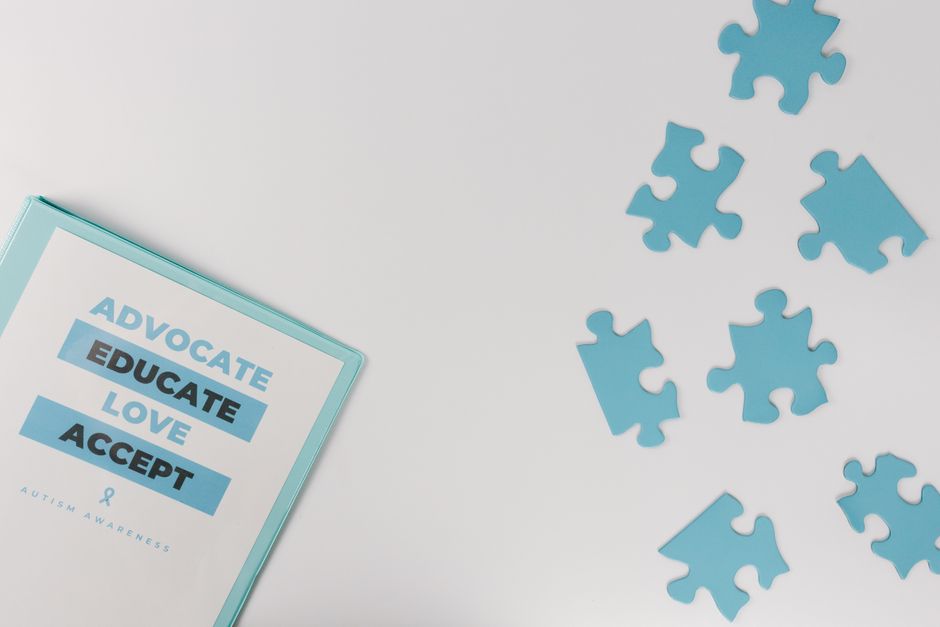
Autism is a developmental condition that affects how a person communicates, learns, and interacts with the world. It is not a disease and it is not caused by parenting. Autism spectrum disorder (ASD) describes a wide range of strengths and challenges that vary greatly from person to person. Some autistic people speak fluently and live independently, while others need significant daily support. The word “spectrum” reflects that range.
What Does Autism Mean?
Autism is a neurodevelopmental condition. That means it affects how the brain develops and how it processes information, starting before birth or in early childhood. It is not something a person catches or develops later in life.
The current diagnostic framework groups what used to be separate diagnoses — autistic disorder, Asperger’s syndrome, and pervasive developmental disorder — under one umbrella: autism spectrum disorder. The word “spectrum” is not a measure of severity. It reflects that autism looks different in every person.
Autism is a difference in how the brain is wired, not a defect layered on top of a normal brain. Research consistently shows that autistic brains process sensory information, social cues, and patterns differently. That difference can create real challenges in a world built for non-autistic people. It can also come with genuine strengths in areas like pattern recognition, memory, and focused expertise.
Autism is a lifelong condition. It is not something a person grows out of, though skills and support needs can change over time.
What Are the Main Signs of Autism?
Signs of autism fall into two broad categories: differences in social communication and interaction, and restricted or repetitive patterns of behavior, interests, or activities. Both categories must be present for a diagnosis, though how they show up varies widely.
Social communication signs can include:
- Difficulty reading facial expressions, tone of voice, or body language
- Delayed speech or language development, or unusual speech patterns
- Trouble making and keeping friendships
- Difficulty understanding unspoken social rules
- Rarely pointing at or showing objects to share interest with others
- Strong preference for being alone, or difficulty knowing how to join a group
Repetitive and restricted behavior signs can include:
- Repeating words or phrases (echolalia)
- Intense focus on a narrow topic
- Needing routines to stay exactly the same
- Repetitive movements like hand-flapping, rocking, or spinning
- Unusual reactions to sensory input — sound, light, texture, taste, or smell
- Strong resistance to change or transitions
Sensory differences deserve special mention. Many autistic people are either highly sensitive to certain sensations or under-responsive to others. A person might cover their ears at a sound others barely notice, or seek out deep pressure and movement. These reactions are neurological, not behavioral choices.
Signs usually appear in the first two years of life. Some children meet early milestones and then lose skills, which is called regression. Regression is not rare in autism and warrants prompt evaluation.
What Causes Autism?
No single cause of autism has been identified. Research points to a combination of genetic and environmental factors that affect early brain development. The strongest evidence centers on genetics.
Studies of identical twins show that when one twin is autistic, the other often is too. Siblings of autistic children have a higher likelihood of being autistic than children in the general population. Dozens of genes have been linked to autism, and most cases appear to involve multiple genes rather than one. Some genetic conditions, such as fragile X syndrome and tuberous sclerosis, are associated with higher rates of autism.
Environmental factors during pregnancy may play a role in some cases. Research has examined factors like advanced parental age, certain infections during pregnancy, and exposure to some medications. These are associations, not proven causes, and none of them predict autism in any individual case.
What does not cause autism is just as important to state clearly. Vaccines do not cause autism. This has been studied extensively across large populations in multiple countries, and the evidence consistently shows no link. The original 1998 study that sparked the vaccine concern was retracted, and its author lost his medical license. Parenting style does not cause autism either. The “refrigerator mother” theory from the 1950s was wrong and has been thoroughly discredited.


How Is Autism Diagnosed?
There is no blood test, brain scan, or genetic test that can diagnose autism. Diagnosis is based on behavior and developmental history, evaluated by clinicians trained in developmental assessment.
For young children, developmental screening is typically done at well-child visits. The American Academy of Pediatrics recommends screening at 18 and 24 months, though any concern at any age should prompt evaluation. A formal evaluation usually involves a team — often a developmental pediatrician, psychologist, speech-language pathologist, or other specialists — who observe the child, interview caregivers, and use standardized assessment tools.
In older children and adults, diagnosis can be more complex. Many autistic people, especially those without intellectual disability, are diagnosed later in life. Girls and women are often diagnosed later than boys, partly because autism can present differently and partly because of referral patterns in clinical practice.
An accurate diagnosis matters because it opens access to support services, accommodations, and understanding. It also helps rule out or identify conditions that commonly co-occur with autism.
What Other Conditions Often Occur With Autism?
Autism rarely occurs alone. Many autistic people have co-occurring conditions that affect daily life and require their own attention.
Common co-occurring conditions include:
- Attention-deficit/hyperactivity disorder (ADHD)
- Anxiety disorders
- Depression
- Intellectual disability
- Epilepsy
- Gastrointestinal problems
- Sleep disorders
- Sensory processing differences
These are not caused by autism. They occur alongside it, and each needs its own assessment and support. Treating anxiety or sleep problems in an autistic person, for example, can meaningfully improve quality of life even though it does not change the autism itself.
Some autistic people also have differences in motor skills, including coordination and fine motor control. These can affect handwriting, sports, and daily tasks.
What Support and Interventions Are Available?
There is no cure for autism, and most autistic adults and advocacy organizations do not frame autism as something that needs curing. Support focuses on building skills, reducing barriers, and improving quality of life.
Behavioral approaches are among the most studied interventions. Applied behavior analysis (ABA) has been widely used for decades, though its goals and methods have been debated within the autistic community. Some autistic adults report that certain ABA approaches felt coercive or focused on masking autistic traits rather than building genuine skills. Newer approaches often emphasize naturalistic, child-led strategies.
Speech-language therapy can help with communication, whether a person speaks or uses alternative methods like sign language or speech-generating devices. Occupational therapy can address sensory processing, motor skills, and daily living tasks. Social skills groups may help some people, though the evidence for their effectiveness is mixed.
Medications do not treat autism itself. Some medications are prescribed for co-occurring conditions like anxiety, depression, ADHD, or severe behavioral challenges. These are prescribed based on the specific condition, not autism as a whole.
Early intervention can make a meaningful difference in skill development for young children. The evidence for early support is strongest for communication and adaptive skills. What works well for one person may not work for another, and support should be individualized.
How Common Is Autism?
Autism prevalence estimates have risen over the past several decades. Current estimates from the U.S. Centers for Disease Control and Prevention suggest that about 1 in 36 children is diagnosed with autism. This figure comes from surveillance of 8-year-old children in multiple U.S. communities.
The rise in diagnoses does not necessarily mean more people are autistic than before. Several factors likely contribute, including broader diagnostic criteria, increased awareness, better screening, and diagnostic substitution — where children who might once have been diagnosed with a different condition now receive an autism diagnosis.
Autism occurs across all racial, ethnic, and socioeconomic groups. It is diagnosed more often in boys than girls, though whether this reflects a true difference in prevalence or differences in how autism presents and is recognized remains an open question.
Frequently Asked Questions
Is autism a mental illness?
No. Autism is a neurodevelopmental condition, not a mental illness. Mental health conditions like anxiety or depression can occur alongside autism, but they are separate.
Can autism be cured?
No. Autism is a lifelong developmental condition with no known cure. Support and therapy can help build skills and improve daily functioning, but they do not remove autism.
Do vaccines cause autism?
No. Extensive research across large populations has found no link between vaccines and autism. The original study claiming a connection was retracted and discredited.
At what age can autism be diagnosed?
Autism can be reliably diagnosed by age 2 in many children, and signs often appear in the first year. Some people, especially those with milder traits, are not diagnosed until later childhood or adulthood.
