
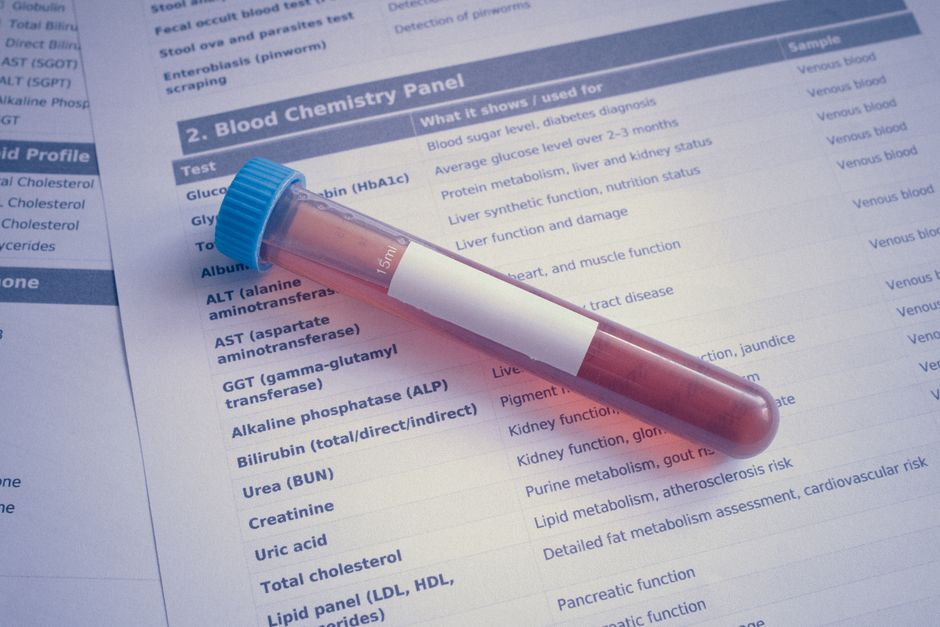
An ESR test measures how fast red blood cells settle to the bottom of a tall, thin tube of blood in one hour. A faster drop means more inflammation somewhere in the body. But it is a general signal, not a map — it can tell a doctor that something is going on without saying where or why.
The test is short for erythrocyte sedimentation rate. Erythrocytes are red blood cells. The test has been used for decades because it is simple, cheap, and sensitive to a wide range of inflammatory conditions. What it cannot do is identify the cause on its own.
What Does An ESR Test Actually Measure?
When blood is left to stand in a vertical tube, red blood cells normally settle slowly. Certain proteins in the blood — mainly fibrinogen and immunoglobulins — can make red cells clump together. Clumped cells are heavier and fall faster. The ESR is the distance, in millimeters, that the red cells fall in one hour.
Those proteins rise when the body is dealing with inflammation, infection, or certain other conditions. So a high ESR is an indirect sign that one of those processes may be present. The test does not measure inflammation itself. It measures a physical side effect that inflammation often produces.
This distinction matters. A normal ESR does not fully rule out inflammation, and a high ESR does not confirm it. The result only means something in the context of a person’s symptoms, history, and other tests.
What Is A Normal ESR Range?
Normal ESR varies with age and sex. A commonly cited reference range is under 15 mm/hr for men under 50 and under 20 mm/hr for women under 50. After age 50, values tend to drift upward, and many labs adjust the upper limit accordingly. Some clinicians use a simple formula that adds age to 10 and divides by 2 for men, with a slightly higher figure for women.
These are general reference ranges, not universal cutoffs. Different laboratories set their own limits, and a value just above the range may mean very little on its own. What matters more is how far above the range it sits and whether it fits the clinical picture.
An ESR that is very high — well beyond the typical range — is more likely to point toward a significant underlying process than a mildly elevated one. But even then, the number alone does not identify the cause.
What Conditions Can Raise An ESR?
A high ESR is not specific. Many conditions can push it up, and the list is long. Common categories include:
- Infections, especially chronic or deep-seated ones such as tuberculosis or a bone infection
- Autoimmune and inflammatory diseases like rheumatoid arthritis, lupus, and polymyalgia rheumatica
- Giant cell arteritis, a condition that inflames blood vessels in the head and can threaten vision
- Some cancers, particularly multiple myeloma and other conditions that affect blood proteins
- Kidney disease and anemia
- Pregnancy and older age, which raise ESR without any disease present
Because so many things raise ESR, doctors rarely order it alone. It is usually paired with a C-reactive protein test, or CRP, which measures a different inflammation marker. CRP rises and falls faster than ESR, so the two can give complementary information.





How Is ESR Different From CRP?
Both tests reflect inflammation, but they behave differently. CRP is a protein made by the liver in response to inflammation. It climbs within hours and drops quickly once the trigger resolves. ESR changes more slowly — it can take days or weeks to rise and just as long to fall.
| Feature | ESR | CRP |
|---|---|---|
| What it measures | Rate red cells settle in one hour | Level of C-reactive protein in blood |
| Speed of change | Slow to rise and fall | Rises and falls within hours to days |
| Typical use | Longer-term inflammation, some chronic diseases | Acute infection and inflammation |
| Affected by age or anemia | Yes | Less so |
Because ESR lags behind CRP, it can be useful for tracking conditions that smolder over time, such as polymyalgia rheumatica or giant cell arteritis. CRP is often more helpful for catching a sudden infection or flare. Some doctors order both when the picture is unclear.
When Do Doctors Order An ESR Test?
An ESR is usually ordered when a doctor suspects inflammation but does not yet know the cause. Common situations include:
- Joint pain, stiffness, or swelling that could point to an inflammatory arthritis
- Unexplained fever, weight loss, or fatigue
- Headache and scalp tenderness in an older adult, raising concern for giant cell arteritis
- Monitoring a known condition like rheumatoid arthritis or polymyalgia rheumatica over time
- Muscle pain and stiffness in the shoulders or hips that could suggest polymyalgia rheumatica
It is also sometimes used to help monitor how a disease is responding to treatment. If ESR falls over time, that can support the idea that inflammation is easing — though it is not proof on its own.
What Does A Normal ESR Mean?
A normal ESR means the test did not detect the kind of protein changes that usually accompany inflammation. It is reassuring in many cases, but it is not a clean bill of health.
Some inflammatory conditions, especially early or mild ones, can produce a normal ESR. Lupus, for example, does not always raise ESR. So a normal result does not rule out disease if symptoms point that way. Doctors weigh the result against what they see and hear from the patient.
This is the central limitation of the test. It is a clue, not a verdict. A normal ESR in someone with no symptoms is usually meaningless. A normal ESR in someone with clear symptoms may simply mean the test missed the problem.
What Can Make ESR Results Misleading?
Several factors unrelated to inflammation can skew an ESR result. Knowing these helps explain why the test is interpreted carefully.
- Anemia tends to raise ESR
- Very high red blood cell counts, or polycythemia, tend to lower it
- Pregnancy raises ESR
- Older age raises ESR
- Certain blood protein abnormalities, such as in multiple myeloma, can push it very high
- Some medications and kidney disease can affect it
Because of these influences, an ESR that seems off may reflect something other than inflammation. A doctor will often look at the full blood count and other tests before drawing conclusions.
Does A High ESR Always Mean Something Serious?
No. A high ESR can come from a minor or temporary issue, and it can also be raised by factors like age or anemia with no serious disease present. A mildly elevated result in someone who feels well is often not a cause for alarm.
What raises concern is a high ESR combined with symptoms — persistent fever, weight loss, joint swelling, or a new headache in an older adult. In those cases, the ESR is one piece of a larger investigation, and further testing is usually needed.
The test is best understood as a starting point. It flags that something may be happening. Finding out what requires more specific tests and a doctor’s judgment.
Frequently Asked Questions
What does an ESR test for inflammation explained simply?
An ESR test measures how fast red blood cells settle in a tube over one hour. A faster rate suggests inflammation may be present, but it does not show where the inflammation is or what is causing it.
What is a normal ESR level?
A commonly cited normal range is under 15 mm/hr for men under 50 and under 20 mm/hr for women under 50, with values tending to rise with age. Different labs set their own limits, so the reference range on your report is the one that applies.
Can you have inflammation with a normal ESR?
Yes. Some inflammatory conditions, especially early or mild ones, can produce a normal ESR. A normal result does not rule out inflammation if symptoms suggest it.
Is ESR better than CRP for detecting inflammation?
Neither is clearly better — they measure different things and change at different speeds. CRP rises and falls faster, while ESR changes more slowly, so doctors sometimes use both together.
