
Aluminum salts in deodorant and antiperspirant work by dissolving into the sweat on your skin and forming a temporary plug at the top of your sweat ducts. That plug physically blocks sweat from reaching the surface. The effect is real and well documented — it is how antiperspirants reduce sweating. What aluminum does not do is cause breast cancer or Alzheimer’s disease, two claims that have been studied for decades and not supported by the evidence.
The confusion around aluminum comes from mixing up two different things: what the ingredient does locally in your armpit, and what it might do elsewhere in the body. Those are separate questions with very different answers. This article walks through both, honestly.
How Does Aluminum Actually Stop Sweating?
Aluminum-based compounds in antiperspirants — most commonly aluminum chlorohydrate, aluminum zirconium, and aluminum chloride — are not the same as the aluminum metal in foil or cookware. They are water-soluble salts, and they behave differently.
When you apply an antiperspirant, the aluminum salt sits on the surface of the skin. Sweat rises up the duct. As it reaches the aluminum, the salt dissolves into the sweat and forms a gel-like substance. That gel creates a physical plug near the opening of the sweat gland. Sweat can’t get past it.
This is not a permanent change. The plug is shed naturally as skin cells turn over, typically over the course of a day or so. That’s why antiperspirants need to be reapplied. The gland itself is not damaged. It resumes normal function once the plug is gone.
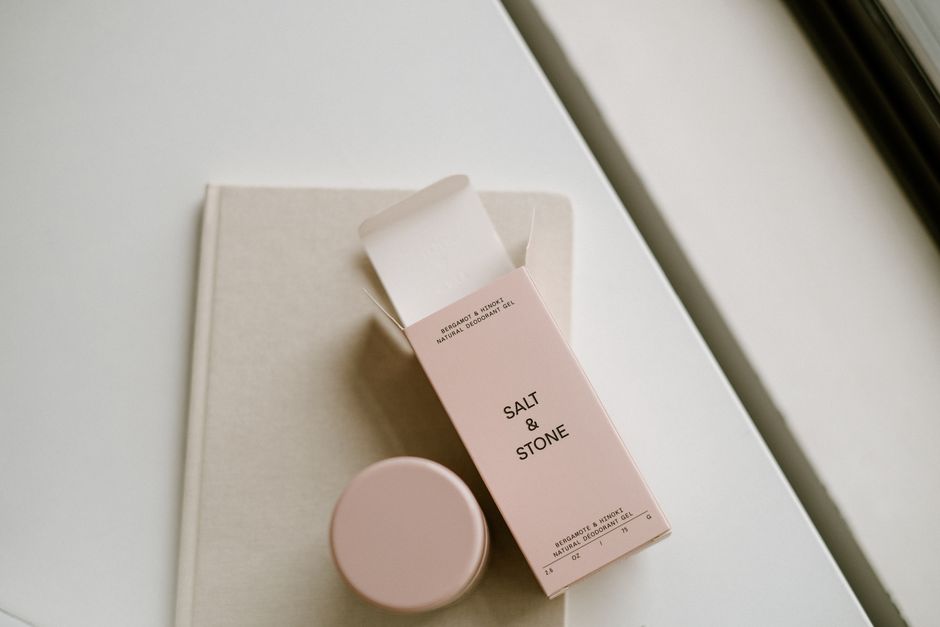
There’s a detail worth knowing here. Antiperspirants reduce sweat. Deodorants do not. Deodorants address odor, not wetness. Many products combine both, which is why the terms get used interchangeably — but they are doing two different jobs. Odor comes from bacteria breaking down sweat on the skin, not from sweat itself. Deodorants typically use antimicrobials or odor-neutralizing ingredients to address that. Aluminum is the ingredient that stops the wetness.
Does Aluminum In Deodorant Cause Breast Cancer?
The evidence does not support a link between antiperspirant use and breast cancer. This is one of the more thoroughly studied questions in consumer health, and the major cancer organizations have reviewed the data and reached the same conclusion.
The concern originally came from a few observations that sounded plausible. Antiperspirants are applied near the breast. They contain a substance that can act like estrogen in a lab dish. Estrogen exposure is a known factor in some breast cancers. Put those together and a theory emerges.
But a theory built from separate facts is not evidence. When researchers looked at actual women — their antiperspirant use and their breast cancer rates — the connection did not hold up. Studies comparing women with and without breast cancer have generally found no meaningful difference in antiperspirant use. Some research has looked at whether antiperspirant use before a mammogram affects results, and it does not appear to interfere with imaging in a way that would cause missed diagnoses.
There’s a practical point that gets lost. The idea that antiperspirant blocks the body from “releasing toxins” through sweat doesn’t match how the body works. Sweat glands are not a primary route for eliminating toxins. Your liver and kidneys handle that. The amount of aluminum absorbed through intact skin from antiperspirant is very small, and the body clears it through the kidneys.
What About Aluminum And Alzheimer’s Disease?
This concern is older than the breast cancer one, and it has been investigated more extensively. The short version: the evidence does not support a causal link between aluminum in antiperspirant and Alzheimer’s disease.
The aluminum-Alzheimer’s idea began in the 1960s and 1970s, when researchers found aluminum in the brains of some people who had died with Alzheimer’s. That finding raised a question. But finding a substance in diseased tissue does not mean the substance caused the disease. It could be a result of the disease process rather than a cause.
Later research complicated the picture further. Aluminum is one of the most common elements in the earth’s crust. We are all exposed to it through food, water, and air at low levels continuously. The body handles this background exposure, and healthy kidneys clear aluminum efficiently. The amount absorbed from antiperspirant is a small fraction of what most people take in through diet.
Large population studies have looked at whether people with more aluminum exposure are more likely to develop Alzheimer’s. The results have been inconsistent, and the better-designed studies have not found a clear link. Major Alzheimer’s organizations have stated that there is no established connection between antiperspirant use and the disease.
This doesn’t mean aluminum is harmless in every context. People with severe kidney disease can accumulate aluminum, and that is a genuine medical concern managed by doctors. It’s a different situation from normal antiperspirant use in people with working kidneys.
What Are The Real Risks Or Side Effects?
The documented side effects of antiperspirants are local and generally minor. Skin irritation is the most common. Some people develop redness, itching, or a rash where the product is applied, especially with higher-strength formulas.
Aluminum chloride, used in some prescription-strength antiperspirants, is more likely to irritate than the milder salts in over-the-counter products. Some people also notice skin discoloration or a change in texture with regular use, though this usually fades if the product is stopped.
People with certain skin conditions, like eczema or psoriasis, may find antiperspirants aggravate their skin. This is a reason some dermatologists suggest a trial of stopping the product for those who develop a persistent rash in the area.
For the vast majority of people, the main trade-off is comfort and cost, not safety. If a product irritates your skin, switching formulas or taking a break is reasonable. That’s a practical decision, not a medical emergency.
Should You Switch To An Aluminum-Free Deodorant?
Whether to use aluminum-free products is a personal choice, not a medical necessity for most people. The evidence does not show that avoiding aluminum is required for health.
That said, there are legitimate reasons someone might prefer aluminum-free options. Some people find them gentler on sensitive skin. Others simply want to avoid the ingredient for their own reasons, and that is a valid personal decision. It’s worth being clear that the choice is about preference and comfort, not about avoiding a proven danger.
Aluminum-free deodorants work differently. They don’t stop sweat; they address odor. Many use ingredients like baking soda, zinc, or plant-based antimicrobials. Effectiveness varies a lot between products and between people. What works well for one person may not for another, and there is no single best option.
If heavy sweating is your main concern, aluminum-free deodorants are unlikely to reduce wetness much. That’s not a flaw in the product — it’s a different mechanism. If you want less sweat, you need an antiperspirant, which means aluminum.
Is There Any Reason To Be Cautious?
For most healthy adults, using an antiperspirant as directed is not a health concern supported by current evidence. The claims that it causes cancer or Alzheimer’s have been investigated and not confirmed.
There are a few situations where a conversation with a doctor makes sense. If you have kidney disease, your doctor can advise on aluminum exposure from all sources, including diet and medications. If you develop a persistent skin reaction to an antiperspirant, a dermatologist can help identify the cause. If you sweat excessively — a condition called hyperhidrosis — that is a medical issue with treatment options beyond standard antiperspirants, and it’s worth discussing with a clinician rather than self-treating.
It’s also fair to say that “no evidence of harm” is different from “proven completely safe in every possible scenario.” Long-term studies are always limited in what they can rule out. But the research to date, across many studies and many years, has not found a signal that aluminum in antiperspirant causes disease in people with normal kidney function.
Frequently Asked Questions
Does aluminum in deodorant cause cancer?
No, the available evidence does not support a link between antiperspirant use and breast cancer. Major cancer organizations have reviewed the research and found no confirmed connection.
Is aluminum in deodorant absorbed into the bloodstream?
A very small amount can pass through the skin, but the body clears it through the kidneys. The amount absorbed from antiperspirant is a small fraction of what you take in through food and water.
Can I use antiperspirant if I have kidney disease?
People with kidney disease should ask their doctor about aluminum exposure from all sources, since impaired kidneys clear it less efficiently. This is a medical question best answered individually.
Do aluminum-free deodorants stop sweating?
No, aluminum-free deodorants address odor, not wetness. Only antiperspirants, which contain aluminum salts, reduce how much you sweat.
