
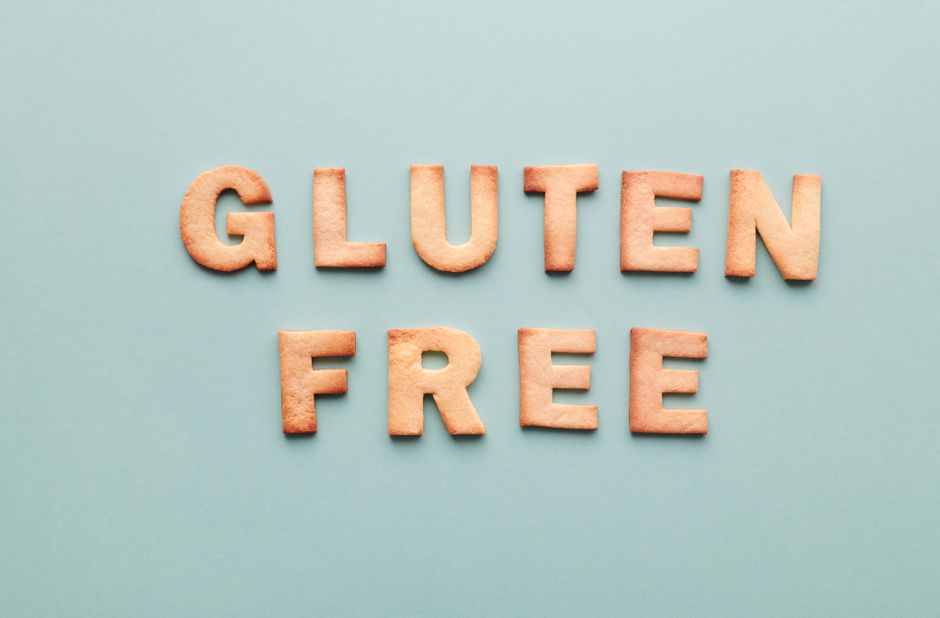
“Allergen free” sounds like a simple promise. It is not. A product labeled allergen free has had specific allergens removed or kept out of the recipe, but the term has no single legal definition in the United States. What it means in practice depends on which allergen, which product, and which country’s rules you are reading.
For food, “allergen free” usually means the product does not contain one or more of the major food allergens — milk, eggs, fish, shellfish, tree nuts, peanuts, wheat, soybeans, and sesame. For cosmetics and personal care products, the term is even less regulated, and it typically means a manufacturer has left out common fragrance or preservative allergens. The details matter because the label is a claim, not a guarantee, and the rules behind it vary widely.
What Does Allergen Free Mean For Food And Products?
In food, the phrase describes a product made without a specific allergen or allergens. It is a marketing and descriptive term, not a regulated category like “organic” or “gluten-free.”
The United States has no federal definition of “allergen free.” The Food and Drug Administration regulates food labeling and enforces rules about how major allergens must be declared when present. It does not certify products as free of them. That distinction is the source of most confusion.
So a cookie labeled “allergen free” is telling you the maker intended to leave out the major allergens. It is not telling you a government agency tested the cookie and confirmed it. The label reflects the manufacturer’s formulation and, ideally, their allergen control program.
This is where a non-obvious point helps. The most reliable signal on a food package is often not the words “allergen free” at all. It is the absence of an allergen in the ingredient list combined with a clear statement about the facility and shared equipment. Those details tell you more about real risk than a front-of-package claim.
Which Allergens Are Usually Meant?
In the US, the term most often refers to the major food allergens that federal law requires companies to declare. As of recent updates, that list includes nine: milk, eggs, fish, shellfish, tree nuts, peanuts, wheat, soybeans, and sesame.
Sesame was added to the US major allergen list through the FASTER Act, and the labeling requirement took effect in 2023. That is a meaningful change for people managing sesame allergy, because sesame had previously appeared under many different names on ingredient lists.
When a product says “allergen free” without naming which allergens, treat it as vague. A product can be free of peanuts and still contain milk. The word alone does not tell you what was excluded.
Some labels specify. “Peanut free,” “gluten free,” and “dairy free” are more useful because they name the target. Even then, each term carries its own regulatory and practical meaning, and they are not interchangeable with “allergen free.”
Does Allergen Free Mean the Same as Certified or Tested?
No. Allergen free is a claim. Certification is a third-party process, and testing is a verification step. They are different things, and a product can carry one without the others.
Some manufacturers pay independent organizations to audit their facilities and verify allergen controls. When you see a certification mark from a recognized certifying body, that indicates a third party reviewed the process. It is not a government guarantee, and certification programs differ in how strict their standards are.
Allergen testing exists too. Companies may test ingredients or finished products for traces of specific allergens using laboratory methods. Testing reduces risk but cannot prove a product is free of an allergen in every batch, because sampling and detection have limits.
Here is the practical takeaway. A product with no certification and no testing statement is relying entirely on the manufacturer’s own word. That may be fine. It may also reflect a company with weak allergen controls. The label alone cannot tell you which.
What About “May Contain” and Shared Facility Warnings?
These warnings are separate from an allergen free claim, and they often contradict it in spirit. Phrases like “may contain,” “made in a facility that also processes,” and “made on shared equipment” are voluntary statements in the US.
They are not required by federal law, and there is no standardized rule for when a company must use them. Some companies use them broadly to limit liability. Others use them only when there is a genuine, assessed risk. The result is inconsistency that makes the warnings hard to interpret.
For someone with a serious allergy, a “may contain” statement signals possible cross-contact during manufacturing. A product can be formulated without an allergen and still carry that warning. Read both the ingredient list and the advisory statement, and treat the advisory as information about the production environment, not the recipe.
How Do Allergen Rules Differ Around the World?
Labeling law is not global, and this is one of the biggest sources of misunderstanding. A product that is legally “allergen free” in one country may not qualify in another.
In the European Union, allergen labeling is governed by a defined list of 14 allergens that must be emphasized in the ingredients. Some countries go further. Australia and New Zealand have their own mandatory declaration rules and specific requirements around “gluten free” and “wheat free” claims. Canada maintains a list of priority allergens with its own labeling requirements.
The number of regulated allergens, the names used, and the rules for precautionary warnings all vary. If you are reading a label from another country, do not assume the same standards apply. This matters for imported foods and for products bought online.
What Does Allergen Free Mean for Cosmetics and Skincare?
For cosmetics and personal care products, “allergen free” is even less defined than it is for food. No US regulation sets a standard for what the claim means on a lotion, shampoo, or makeup product.
In practice, a skincare product labeled allergen free usually means the maker left out common contact allergens. These can include certain fragrance ingredients, preservatives, and specific dyes. Fragrance is a frequent cause of allergic contact dermatitis, and “fragrance free” or “allergen free” claims often target that.
The evidence here is limited in a specific way. There is no universal list of cosmetic allergens, and a product free of one person’s allergens may contain another’s. “Allergen free” on a cosmetic is best read as “formulated without ingredients the maker considers common allergens,” not as a guarantee for every allergic person.
Is Allergen Free the Same as Gluten Free or Dairy Free?
No. Gluten free and dairy free are narrower terms that refer to specific components, and each has its own rules.
Gluten free is a defined claim in the US. The FDA sets a standard for products labeled gluten free, and the term is regulated in a way “allergen free” is not. That makes it a more reliable claim to act on. Gluten is a protein found in wheat, barley, and rye, and it is relevant to celiac disease and some other conditions.
Dairy free has no standardized legal definition in the US, which surprises many people. A product labeled dairy free may still be made in a facility that handles milk, and the term is not federally defined the way gluten free is.
The comparison below shows how these terms differ in regulatory standing:
| Claim | US Regulatory Status | What It Generally Means |
|---|---|---|
| Gluten free | Defined and regulated by FDA | Meets a set standard for gluten content |
| Allergen free | No federal definition | Maker’s claim that specific allergens are excluded |
| Dairy free | No standardized federal definition | No milk ingredients intended, but cross-contact possible |
| Peanut free | No federal definition | No peanut ingredients intended; verify facility info |
What Should You Actually Check on a Label?
Read past the front-of-package claim. The back of the package tells you more, and it takes only a moment to check the right details.
- Ingredient list: Confirm the allergen you are avoiding does not appear under any name, including alternative terms.
- Contains statement: Federal law requires major allergens to be declared, often in a “Contains” line after the ingredients.
- Advisory warnings: Look for “may contain” or shared facility statements that indicate cross-contact risk.
- Certification marks: Note any third-party certification, and understand what that specific program verifies.
- Named allergen: Prefer labels that specify which allergen is excluded over vague “allergen free” claims.
If you have a diagnosed food allergy, the most reliable guidance comes from your allergist, not from package claims. For people with severe allergies, some clinicians recommend confirming with the manufacturer directly about production practices, because labels cannot capture every detail of a facility’s operations.
One more clarification worth keeping in mind. “Allergen free” and “safe for everyone with allergies” are not the same statement. A product can be free of the nine major allergens and still contain something a specific person reacts to. The label describes the formulation, not your individual immune response.
Frequently Asked Questions
Is allergen free a regulated term in the US?
No. The FDA regulates how major allergens must be declared when present, but it does not define or certify “allergen free” as a claim. That means the term reflects the manufacturer’s own statement rather than a government standard.
Does allergen free mean the product is safe for someone with a food allergy?
Not necessarily. The claim usually means specific allergens were left out, but cross-contact during manufacturing is still possible. People with serious allergies should check the ingredient list, advisory warnings, and certification marks rather than relying on the front label.
What is the difference between allergen free and gluten free?
Gluten free is a defined and regulated claim in the US, while allergen free has no federal definition. Gluten free refers specifically to wheat, barley, and rye proteins, and it must meet a set standard that allergen free claims do not.
Can a product be allergen free and still have a “may contain” warning?
Yes. A product can be formulated without an allergen and still carry a voluntary advisory about shared equipment or facilities. These warnings describe cross-contact risk during production, not the recipe itself.
