
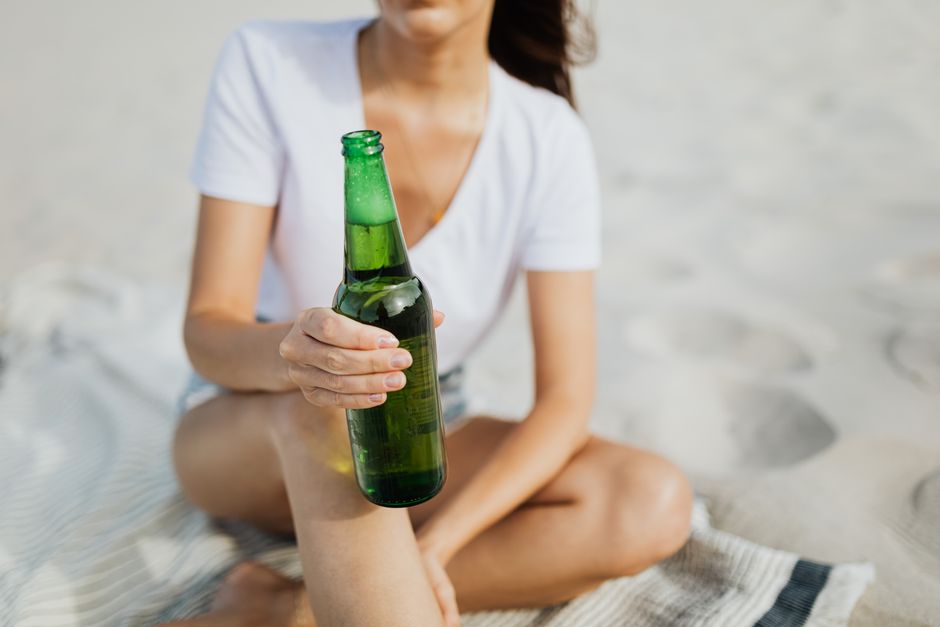
Alcohol enters your stomach and immediately starts causing trouble. Within minutes it irritates the stomach lining, increases acid production, and slows down digestion. The stomach absorbs about 20% of the alcohol you drink, sending it straight into your bloodstream. The rest moves to your small intestine for faster absorption. This process is why drinking on an empty stomach hits you harder and faster.
How Does Alcohol Irritate Your Stomach Lining?
The stomach lining is a protective barrier. It keeps digestive acids where they belong. Alcohol weakens this barrier almost immediately. Research published in the journal Alcohol Research shows that alcohol directly damages the cells that make up the stomach lining. This damage allows acid to reach deeper tissue layers.
The result is inflammation called gastritis. Acute gastritis from a single drinking session can cause nausea, pain, and vomiting. Chronic drinking leads to chronic gastritis, which means the lining stays inflamed for long periods. The National Institute on Alcohol Abuse and Alcoholism reports that heavy drinkers have a significantly higher risk of developing chronic gastritis compared to moderate drinkers or non-drinkers.
Alcohol also increases the production of gastric acid. More acid means more irritation on an already damaged lining. This combination of weakened barrier and extra acid is why stomach pain after drinking is so common.
What Does Alcohol Do To Your Stomach Acid Levels?
Alcohol triggers your stomach to produce more acid. This is a direct effect on the cells that make gastric acid. A study in Gastroenterology found that alcohol concentrations as low as 5% can stimulate acid secretion. Most beer and wine are in this range.
Higher alcohol concentrations above 15% can actually suppress acid production temporarily. But this does not help. The suppression is followed by a rebound effect where acid levels spike higher than normal. This rebound contributes to heartburn and acid reflux symptoms hours after drinking.
The extra acid also increases your risk of developing peptic ulcers. An ulcer is an open sore in the stomach lining. Alcohol does not directly cause ulcers, but it makes existing ones worse and slows healing. The American College of Gastroenterology states that alcohol consumption is a known risk factor for ulcer complications including bleeding.
Does Alcohol Slow Down Your Digestion?
Yes. Alcohol slows the movement of food through your stomach. This is called delayed gastric emptying. Your stomach holds onto food longer than it should. A study in Digestive Diseases and Sciences showed that alcohol can delay gastric emptying by 30 to 60 minutes depending on the amount consumed.
When food sits in your stomach longer, you feel full and bloated. This is why drinking during a meal can make you feel uncomfortably stuffed. The slowed digestion also means alcohol stays in your stomach longer, allowing more time for absorption into your bloodstream. This is one reason drinking with a heavy meal can lead to higher blood alcohol levels than expected.
Delayed gastric emptying also increases the risk of acid reflux. When the stomach takes longer to empty, pressure builds up. This pressure can push stomach contents back into the esophagus, causing heartburn. The combination of extra acid and slowed emptying is a recipe for reflux symptoms.





How Does Alcohol Affect Your Gut Bacteria?
Your stomach and intestines host trillions of bacteria that help with digestion. Alcohol disrupts this ecosystem. Research in Alcohol Research: Current Reviews found that alcohol reduces the number of beneficial bacteria and allows harmful bacteria to grow. This imbalance is called dysbiosis.
Dysbiosis from alcohol can cause several problems:
- Increased intestinal permeability, often called leaky gut
- Poor nutrient absorption
- More inflammation throughout the body
- Worse digestive symptoms like bloating and gas
The effects on gut bacteria happen with both acute and chronic drinking. Even a single heavy drinking session can alter your gut microbiome for days. Chronic drinking leads to more permanent changes that can take weeks or months to reverse after stopping alcohol.
Leaky gut is particularly concerning. When the intestinal barrier becomes more permeable, bacteria and toxins can enter your bloodstream. This triggers an immune response and systemic inflammation. Some studies suggest this may contribute to liver damage and other alcohol-related health problems.
What Are the Short-Term and Long-Term Effects on Your Stomach?
Short-term effects happen within hours of drinking. These include nausea, vomiting, stomach pain, bloating, and heartburn. The severity depends on how much you drink, what you drink, and whether you have eaten. Some people experience these symptoms after one or two drinks. Others need more. Individual tolerance varies widely.
Long-term effects develop over months or years of regular drinking. Chronic gastritis is the most common. Your stomach lining becomes permanently damaged and inflamed. This can lead to:
- Atrophic gastritis where the stomach lining thins
- Reduced ability to absorb vitamin B12
- Increased risk of stomach cancer
- Chronic pain and digestive problems
The World Health Organization classifies alcohol as a Group 1 carcinogen. This means there is strong evidence that alcohol causes cancer in humans. Stomach cancer is one of the cancers linked to alcohol consumption. The risk increases with the amount and duration of drinking.
| Effect | Short-Term (Hours to Days) | Long-Term (Months to Years) |
|---|---|---|
| Stomach lining | Inflammation, irritation | Chronic gastritis, thinning |
| Acid production | Increased, then rebound | Persistent high acid |
| Digestion | Slowed emptying | Poor nutrient absorption |
| Gut bacteria | Temporary imbalance | Dysbiosis, leaky gut |
| Ulcer risk | Worsens existing ulcers | Higher complication risk |
Can Your Stomach Recover From Alcohol Damage?
Yes, the stomach can heal. The stomach lining regenerates quickly. Cells are replaced every few days. If you stop drinking, inflammation can resolve within days to weeks. Symptoms like pain and nausea typically improve first. Full healing of the lining takes longer depending on how much damage was done.
Mild gastritis from occasional drinking usually resolves completely within one to two weeks of abstinence. Chronic gastritis from long-term heavy drinking may take months to heal. Some damage like atrophic changes may be permanent. The stomach can adapt and function reasonably well even with some permanent changes.
Gut bacteria also recover. A study in Alcohol found that the gut microbiome starts to normalize within two weeks of stopping alcohol. Full recovery can take several months. Eating a diet rich in fiber, fermented foods, and prebiotics may help speed up the process. Probiotics may also help, though evidence is mixed on how much they help specifically for alcohol-related gut damage.
Some people report that their stomach never feels the same after years of heavy drinking. This is likely due to permanent changes in the stomach lining or nerve function. If you have persistent symptoms after stopping alcohol, see a doctor. You may need treatment for underlying conditions like chronic gastritis or ulcers.
Common Misconceptions About Alcohol and Stomach Health
One common myth is that drinking on an empty stomach is worse than drinking with food. This is actually true. Food slows alcohol absorption and dilutes it. But eating does not prevent damage to the stomach lining. The irritation still happens. Food just spreads it out over a longer period.
Another myth is that certain types of alcohol are gentler on the stomach. Some people believe wine is better than liquor or that clear spirits are better than dark ones. There is no strong evidence that any alcoholic drink is significantly less irritating. All alcohol damages the stomach lining. The concentration matters more than the type. Higher alcohol content causes more damage per volume.
Some people think that taking antacids before drinking protects the stomach. Antacids neutralize acid but do not prevent alcohol from damaging the lining. They may reduce heartburn symptoms but do not stop the underlying irritation. Relying on antacids can mask serious damage.
A final misconception is that moderate drinking has no effect on the stomach. Even moderate drinking causes temporary inflammation and acid changes. The effects are milder than heavy drinking but they still happen. The stomach lining is sensitive tissue. Any amount of alcohol causes some degree of irritation.
Frequently Asked Questions
Does alcohol cause stomach ulcers?
Alcohol does not directly cause ulcers but it worsens existing ones and slows healing. Heavy drinking increases the risk of ulcer complications including bleeding.
How long does alcohol stay in your stomach?
Alcohol typically leaves the stomach within 30 to 60 minutes. Food and high alcohol content can delay this process significantly.
Can drinking alcohol cause permanent stomach damage?
Chronic heavy drinking can cause permanent changes like atrophic gastritis. Most damage is reversible with abstinence but some changes may be lasting.
What helps settle an upset stomach from alcohol?
Water, rest, and bland foods like crackers or toast can help. Avoid more alcohol and acidic or spicy foods until symptoms resolve.
