
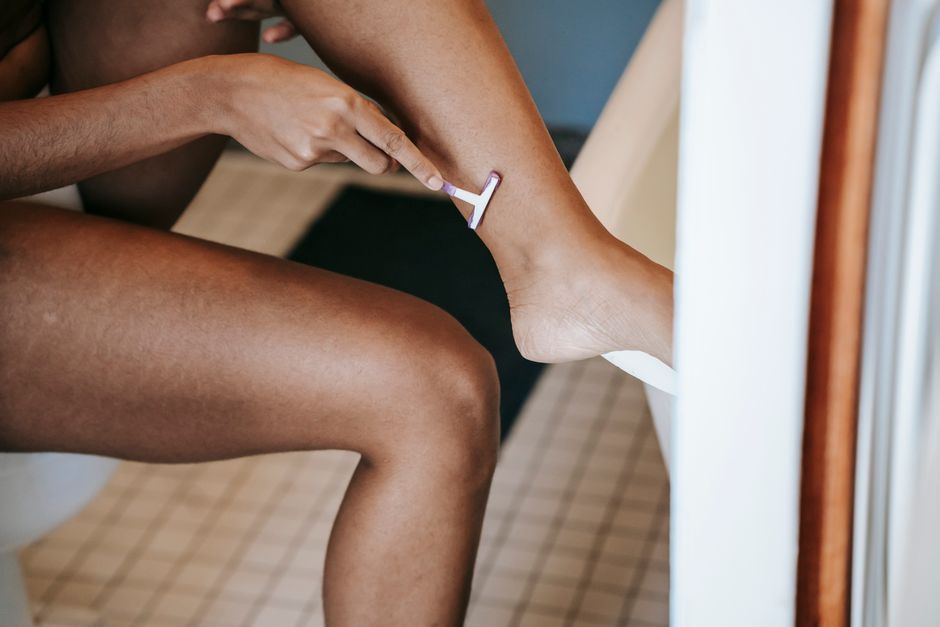
Applying alcohol to your skin after shaving can cause stinging, dryness, and irritation. The alcohol in many aftershaves and toners acts as an antiseptic and astringent, but it also strips away your skin’s natural moisture barrier. Many dermatologists now recommend avoiding alcohol-based products right after shaving because the skin is more vulnerable and the alcohol can do more harm than good.
Why Is Alcohol Used in Aftershave Products?
Alcohol has a long history in aftershave because it kills bacteria on the skin. Shaving creates tiny nicks and micro-cuts. An antiseptic like alcohol can help reduce the risk of infection. Alcohol also acts as an astringent, meaning it tightens the skin and makes pores appear smaller. This gives a temporary feeling of cleanliness and firmness.
But these benefits come with a cost. The same properties that kill bacteria also strip the skin of its natural oils. Alcohol evaporates quickly, which can create a cooling sensation, but that cooling is partly due to rapid moisture loss from the skin’s surface.
How Does Alcohol Affect Your Skin Right After Shaving?
Right after shaving, your skin’s outermost layer — the stratum corneum — is temporarily damaged. The blade removes not only hair but also some dead skin cells and oils. This leaves the skin barrier less able to hold moisture and more exposed to irritants.
When you apply alcohol to freshly shaved skin, it penetrates deeper than it would on intact skin. The alcohol disrupts the lipid barrier further, causing water to evaporate faster. This explains the immediate stinging sensation many people feel. The stinging is a sign of irritation, not a sign that the product is “working.”
For people with sensitive skin, rosacea, eczema, or even mild dryness, alcohol can cause visible redness and inflammation that lasts for hours or longer.
What Does Alcohol Do To Your Skin After Shaving Over the Long Term?
Occasional use of low-concentration alcohol aftershave is unlikely to cause permanent damage for most people. But regular use — especially if you shave daily — can lead to chronic dryness, flakiness, and an impaired skin barrier.
A weakened barrier makes the skin more reactive. Over time, products that once felt fine may start to sting. The skin may become more prone to razor burn, ingrown hairs, and infection because the barrier is less able to defend itself. Some research suggests that repeated application of denatured alcohol to skin can reduce the production of natural moisturizing factors, though most studies have been done on people with pre-existing skin conditions or in laboratory models.



Is Alcohol-Free Aftershave a Better Choice?
For most people, yes. Alcohol-free aftershaves and post-shave balms contain ingredients that soothe and hydrate the skin instead of stripping it. Glycerin, aloe vera, allantoin, panthenol, and various oils can calm irritation and help the skin barrier repair itself.
Some men worry that alcohol-free products won’t provide enough antiseptic protection. But the shaving process itself, along with proper hygiene — using a clean razor and washing your face beforehand — keeps infection risk very low. If you have a specific concern about infection from a deep cut, a targeted antiseptic like a small amount of diluted tea tree oil or an over-the-counter antibiotic ointment is more effective than using alcohol all over your face.
Dermatologists commonly advise patients with sensitive or dry skin to switch to alcohol-free products. For people with oily or acne-prone skin, the astringent effect of alcohol may seem helpful in the short term, but the rebound oil production from dried-out skin can actually worsen acne over time.
What About Witch Hazel or Other Natural Alternatives?
Witch hazel is a common natural alternative to alcohol aftershave. However, many commercial witch hazel products contain alcohol as a preservative. Look for “alcohol-free” witch hazel, which is distilled with water instead.
Other post-shave options include:
- Aloe vera gel — cools and hydrates without stinging.
- Unscented moisturizers with ceramides — help repair the skin barrier.
- Cold water rinse — constricts blood vessels and calms redness without chemicals.
- Products with niacinamide or green tea extract — reduce inflammation and support skin health.
The evidence for many natural ingredients is based on individual studies or general knowledge of skin physiology, not large clinical trials. But the core principle is well established: avoid harsh stripping agents on freshly shaved skin.
Can You Use Alcohol on Razor Cuts?
For a single small nick, applying alcohol can help disinfect the wound. But it is not necessary for most shaving nicks. Bleeding from a small cut stops on its own within minutes. Applying pressure with a clean tissue is usually enough.
If you are concerned about infection from a deeper cut, clean the area with mild soap and water instead of alcohol. Alcohol can delay healing by damaging new tissue growth. Routine use of alcohol on intact skin after shaving — not just on specific cuts — is not recommended by dermatologists.
Frequently Asked Questions
Does alcohol in aftershave cause razor burn?
Alcohol can make razor burn worse by irritating already inflamed skin.
Should I put alcohol on my face after shaving if I have acne?
No. Stripping the skin with alcohol can lead to rebound oil production and more breakouts over time.
What should I use instead of alcohol aftershave?
An alcohol-free post-shave balm with moisturizing ingredients like aloe or glycerin is a better choice for most skin types.
Is rubbing alcohol safe for shaving nicks?
Rubbing alcohol can be used on single cuts, but soap and water or a sterile wound wipe are gentler and equally effective.
