
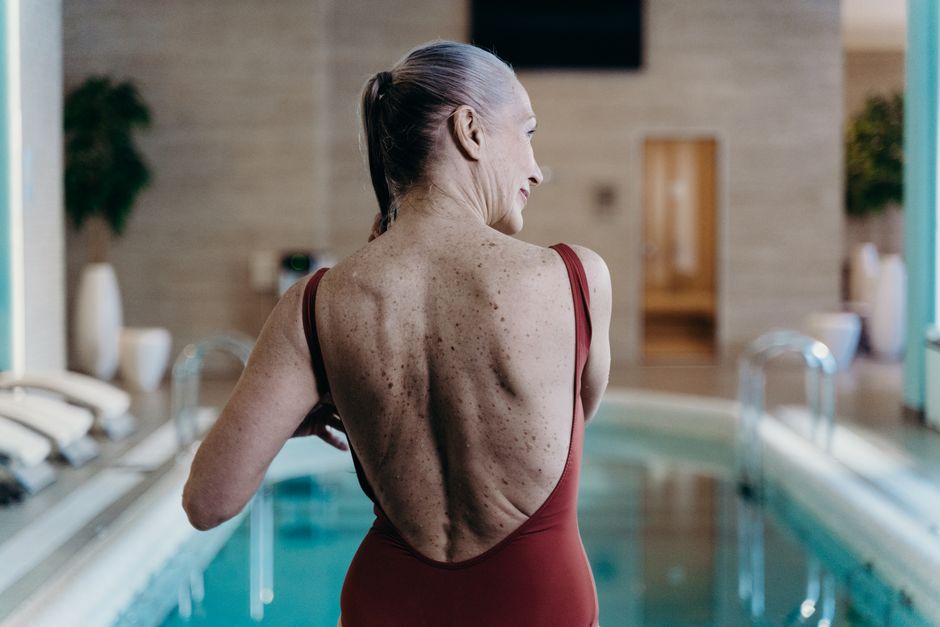
Getting older is not a disease. It is a natural process that every single cell in your body goes through over time. Aging means your body’s systems slowly lose their peak efficiency, from how your heart pumps to how your skin repairs itself. These changes happen at different rates for different people, but the underlying biology is the same for everyone.
What Actually Happens Inside Your Body as You Age?
At the cellular level, aging is a mix of several things happening at once. Your cells stop dividing as quickly as they used to. The ends of your chromosomes, called telomeres, get shorter each time a cell divides. When telomeres get too short, the cell stops dividing entirely. This is a normal part of life.
Your body also becomes less efficient at clearing out damaged proteins and old cell parts. This buildup of cellular junk is linked to many age-related conditions. Research published in journals like Nature has identified nine key hallmarks of aging, including genomic instability, mitochondrial dysfunction, and stem cell exhaustion. These hallmarks are not separate problems. They feed into each other.
One non-obvious point is that aging is not uniform. Your heart might age faster than your liver. Your skin might show more wear than your kidneys. This is why two people the same age can look and feel completely different.
How Does Your Skin and Appearance Change With Age?
Your skin is the most visible sign of aging. Starting in your mid-20s, your skin produces about 1% less collagen each year. Collagen is the protein that keeps skin firm and plump. By the time you reach your 60s, your skin has significantly less collagen and elastin, which is why wrinkles and sagging appear.
Sun exposure is the single biggest factor in how your skin ages. The term “photoaging” describes damage from UV radiation that breaks down collagen faster than normal aging does. The American Academy of Dermatology states that up to 90% of visible skin aging is caused by the sun. Sunscreen is not just for preventing burns. It is the most effective tool for slowing skin aging.
Your skin also gets thinner and drier as you age. The oil glands produce less sebum, which leads to dryness and itching. Blood vessels become more fragile, leading to easy bruising. These changes are normal, but they can be managed with gentle skincare and sun protection.
What Does Aging Mean How Your Body Changes in Your Muscles and Bones?
After age 30, you start losing muscle mass. This process is called sarcopenia. The average person loses 3-5% of their muscle mass per decade after 30. This is not just about looking weaker. Less muscle means a slower metabolism and less strength for daily tasks like carrying groceries or getting out of a chair.
Your bones also lose density over time. Bone mass peaks around age 30 and then slowly declines. For women, bone loss speeds up significantly after menopause due to the drop in estrogen. The National Osteoporosis Foundation reports that about 10 million Americans have osteoporosis, and another 44 million have low bone density.
The good news is that both muscle and bone loss respond to exercise. Resistance training, like lifting weights or using resistance bands, directly stimulates muscle growth and bone strengthening. Studies consistently show that older adults who strength train can regain muscle mass and improve bone density. It is never too late to start.





How Does Your Heart and Blood Vessels Change?
Your heart changes with age in several ways. The heart muscle gets slightly thicker, and the walls of your arteries become stiffer. This stiffness raises blood pressure because your heart has to work harder to push blood through less flexible vessels. The American Heart Association notes that blood pressure naturally rises with age, but lifestyle factors play a huge role in how much.
The heart’s maximum rate during exercise also decreases. Your maximum heart rate is roughly 220 minus your age. This is why older adults cannot push their heart rate as high during intense exercise. However, the heart’s ability to pump blood at rest stays normal for most healthy people.
One thing many people do not realize is that the blood vessels in the brain are also affected by this stiffening. Reduced blood flow to the brain is linked to cognitive decline. Keeping your blood pressure in a healthy range through diet, exercise, and medication if needed is one of the best things you can do for your brain as you age.
How Does Your Brain and Memory Change?
Cognitive aging is not the same as dementia. Normal aging brings slower processing speed and occasional forgetfulness. You might take longer to learn a new skill or forget where you put your keys. This is normal. Dementia is a different condition where memory loss and confusion interfere with daily life.
Your brain actually shrinks slightly with age, particularly in areas related to memory and executive function. But the brain also has neuroplasticity, meaning it can form new connections throughout life. Learning new things, staying socially active, and challenging your brain with puzzles or new skills help maintain cognitive function.
The CDC reports that about 1 in 9 adults aged 65 and older has Alzheimer’s disease. But that also means 8 out of 9 do not. Age is the biggest risk factor, but it is not a guarantee. Lifestyle factors like exercise, diet, and managing blood pressure and diabetes all influence your risk.
What Actually Works to Slow Down Aging?
The evidence is clear on a few things. Exercise is the closest thing to an anti-aging pill that exists. A combination of aerobic exercise and resistance training improves heart health, muscle mass, bone density, and brain function. The benefits are so strong that some researchers call exercise a “polypill” for aging.
Diet matters, but the evidence is more mixed than social media claims. Calorie restriction extends lifespan in animals, but the effects in humans are less clear. What is well-established is that a diet rich in vegetables, fruits, whole grains, and lean protein supports healthy aging. The Mediterranean diet has the strongest evidence for reducing heart disease and cognitive decline.
Sleep is often overlooked but critical. Poor sleep accelerates cellular aging and increases inflammation. Adults over 65 still need 7-8 hours per night. Getting consistent, quality sleep is one of the most effective things you can do for your body’s repair processes.
| Factor | What Research Shows | What to Do |
|---|---|---|
| Exercise | Strong evidence for muscle, bone, heart, and brain health | 150 minutes moderate cardio + 2 strength sessions per week |
| Diet | Mediterranean diet linked to lower disease risk | More vegetables, fish, olive oil; less processed food |
| Sleep | Poor sleep linked to inflammation and cognitive decline | 7-8 hours consistently; same bedtime and wake time |
| Stress management | Chronic stress shortens telomeres | Regular relaxation practice, social connection |
| Sun protection | Prevents up to 90% of visible skin aging | Daily sunscreen SPF 30+ on exposed skin |
What Are Common Myths About Aging?
One widespread myth is that aging automatically means frailty and dependence. Most older adults live independently. The majority of people over 65 report no disability that limits their daily activities. Frailty is a specific medical condition, not a guaranteed part of aging.
Another myth is that you cannot build muscle after a certain age. This is false. Studies of adults in their 80s and 90s show they can gain strength and muscle mass with resistance training. The response is slower than in younger people, but it absolutely happens.
The idea that memory loss is inevitable is also misleading. Some decline in processing speed is normal, but significant memory problems are not. If memory loss interferes with your daily life, it is a medical issue that needs evaluation, not something to accept as normal aging.
Frequently Asked Questions
At what age does aging really start?
Cellular aging starts in your 20s, but most people do not notice visible changes until their 40s or 50s. The rate varies greatly between individuals based on genetics and lifestyle.
Can you reverse aging?
You cannot reverse the biological clock, but you can slow many age-related changes with exercise, diet, and sleep. Some age-related damage can be partially improved, like muscle loss and bone density.
Does drinking water help aging skin?
Staying hydrated helps overall health, but drinking extra water beyond normal hydration does not prevent wrinkles. Sun protection and moisturizer have a much bigger effect on skin aging.
Is aging painful?
Aging itself is not painful, but age-related conditions like arthritis can cause pain. Staying active and maintaining a healthy weight reduces the risk of painful joint problems.
