
Adapalene is a topical retinoid medication that treats acne by normalizing how skin cells shed and reducing inflammation. Unlike older retinoids, it is designed to be less irritating while still effectively clearing clogged pores. It works by binding to specific retinoic acid receptors in your skin cells, which helps prevent the formation of microcomedones — the tiny blockages that turn into pimples.
How Does Adapalene Work on Your Skin?
Adapalene targets acne at its earliest stage. It gets inside your pores and tells the cells lining them to behave differently. Instead of shedding in clumps that stick together and block the pore, cells shed individually and move out of the way.
This process takes time. You will not see results overnight. Most people notice improvement after 8 to 12 weeks of consistent use.
Adapalene also has anti-inflammatory properties. This means it reduces redness and swelling around existing pimples. Research published in the Journal of the American Academy of Dermatology has shown that adapalene is as effective as tretinoin for treating non-inflammatory and inflammatory acne but causes less irritation.
What Does Adapalene Do That Other Acne Treatments Cannot?
Many acne treatments kill bacteria or dry out the surface of your skin. Benzoyl peroxide kills Cutibacterium acnes bacteria. Salicylic acid exfoliates the top layer of skin. Adapalene works deeper — inside the pore itself.
It changes how your skin behaves long-term. While you use it, your pores stay clearer. When you stop using it, acne typically returns because the underlying process resumes.
Adapalene is also one of the few acne treatments backed by strong evidence for maintenance therapy. The American Academy of Dermatology recommends topical retinoids like adapalene as first-line therapy for most types of acne.
| Treatment | Primary Action | Depth of Action | Evidence Strength |
|---|---|---|---|
| Adapalene | Normalizes cell shedding, reduces inflammation | Inside the pore | Strong — multiple clinical trials |
| Benzoyl Peroxide | Kills bacteria | Surface of skin | Strong — well established |
| Salicylic Acid | Exfoliates top layer | Upper skin layers | Moderate — some studies support use |
| Clindamycin (topical) | Kills bacteria | Surface of skin | Strong — but resistance is growing |
What Happens When You First Start Using Adapalene?
The first few weeks can be rough. Many people experience what is called “purging” — their acne gets worse before it gets better. This happens because adapalene speeds up the skin cell cycle, pushing hidden blockages to the surface faster than normal.
Purging is not the same as an allergic reaction or irritation. It usually lasts 2 to 6 weeks. If your skin becomes red, peeling, or painful, you may be using too much or applying it too often.
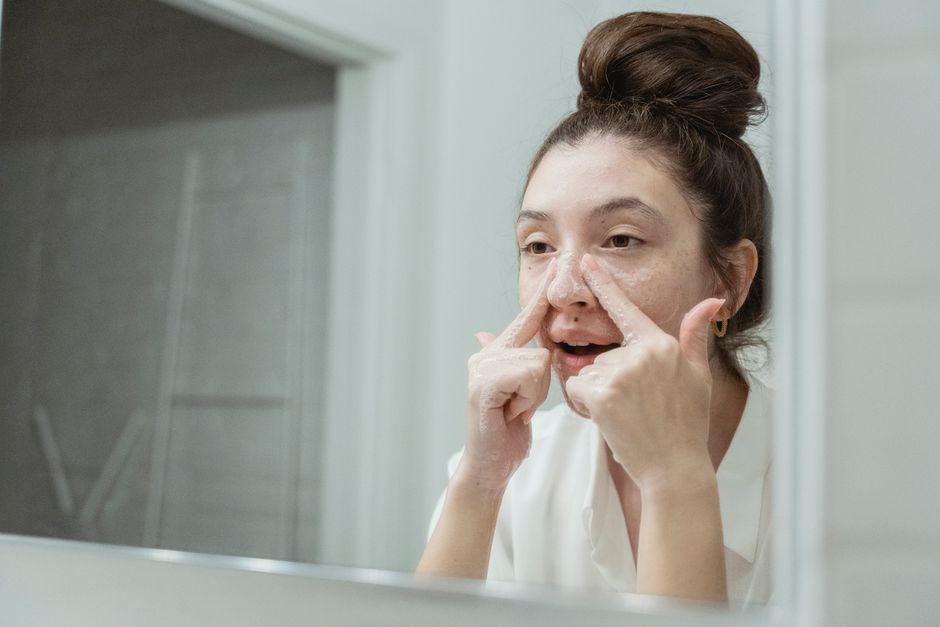
Some people report dryness and flaking, especially around the nose and mouth. This is common. Starting with every other night application and building up to nightly use can help your skin adjust.
- Start with a pea-sized amount for your whole face — more is not better
- Apply to completely dry skin — damp skin absorbs more and irritates more
- Wait 20 minutes after washing your face before applying
- Use a gentle, non-comedogenic moisturizer after adapalene has dried





What Does Research on Adapalene Show for Acne Scars?
This is where things get interesting. Many people ask if adapalene can fade acne scars. The short answer is: it helps some types of scars more than others.
Adapalene works best on post-inflammatory hyperpigmentation — the dark or red marks left after a pimple heals. These are not true scars. They are discoloration caused by inflammation. Research shows adapalene can speed up how quickly these marks fade by normalizing pigment production in the skin.
For actual depressed or pitted scars — the kind where skin texture is permanently changed — adapalene alone is unlikely to make a visible difference. Some evidence suggests that long-term retinoid use may stimulate collagen production, but the effect is modest compared to procedures like microneedling or laser therapy.
As of 2026, there is no clinical evidence that adapalene can erase deep acne scars. Anyone claiming otherwise is overstating what the science shows.
Can You Use Adapalene for Wrinkles or Aging Skin?
Adapalene is not FDA-approved for anti-aging. That approval belongs to tretinoin, a stronger prescription retinoid. However, some dermatologists prescribe adapalene off-label for photoaging because it belongs to the same drug class.
What does the evidence say? A study published in the Journal of Drugs in Dermatology found that adapalene 0.3% gel improved fine wrinkles and skin texture after 24 weeks of use. The improvement was noticeable but less dramatic than what tretinoin typically produces.
If your main concern is anti-aging, tretinoin or prescription-strength retinol products have stronger backing. If you have both acne and early signs of aging, adapalene may be a reasonable option to address both — but manage your expectations.
What Are the Side Effects of Adapalene?
Side effects are common in the first month. The most reported ones include dryness, peeling, redness, and a stinging sensation when applying. These effects usually decrease as your skin builds tolerance.
Sun sensitivity is real. Adapalene makes your skin more vulnerable to UV damage. Daily sunscreen use is not optional — it is necessary. The American Academy of Dermatology recommends at least SPF 30 every day when using any retinoid.
Serious side effects are rare. Allergic reactions like severe swelling or blistering affect less than 1% of users. If you experience these, stop use and contact a doctor.
Adapalene should not be used during pregnancy. The FDA classifies it as Pregnancy Category C, meaning animal studies have shown potential risk. If you are pregnant, planning to become pregnant, or breastfeeding, talk to your doctor before using adapalene.
Common Misconceptions About Adapalene
One widespread claim is that adapalene thins your skin. This is not accurate. Retinoids actually thicken the deeper layer of skin called the dermis over time. The initial peeling and sensitivity can make skin feel thinner, but that is temporary.
Another myth is that you need a prescription for adapalene. In the United States, adapalene 0.1% gel has been available over the counter since 2016 under the brand name Differin. The 0.3% strength still requires a prescription.
Some people believe you cannot use adapalene with other acne products. You can, but you need to be careful. Combining adapalene with benzoyl peroxide or salicylic acid increases irritation risk. Many dermatologists recommend using adapalene at night and benzoyl peroxide in the morning if your skin tolerates it.
Frequently Asked Questions
How long does it take for adapalene to work?
Most people see noticeable improvement after 8 to 12 weeks of consistent use. Some results may appear sooner, but full benefits typically take at least 3 months.
Can adapalene be used every day?
Yes, but starting with every other night application helps reduce irritation. Once your skin adjusts, nightly use is safe and recommended for best results.
Does adapalene work for blackheads and whiteheads?
Yes, adapalene is particularly effective for comedonal acne, which includes blackheads and whiteheads. It prevents these blockages from forming in the first place.
Can I wear makeup over adapalene?
Yes, but wait until adapalene has fully dried, usually about 10 to 15 minutes. Use non-comedogenic and oil-free makeup products to avoid clogging pores.
