
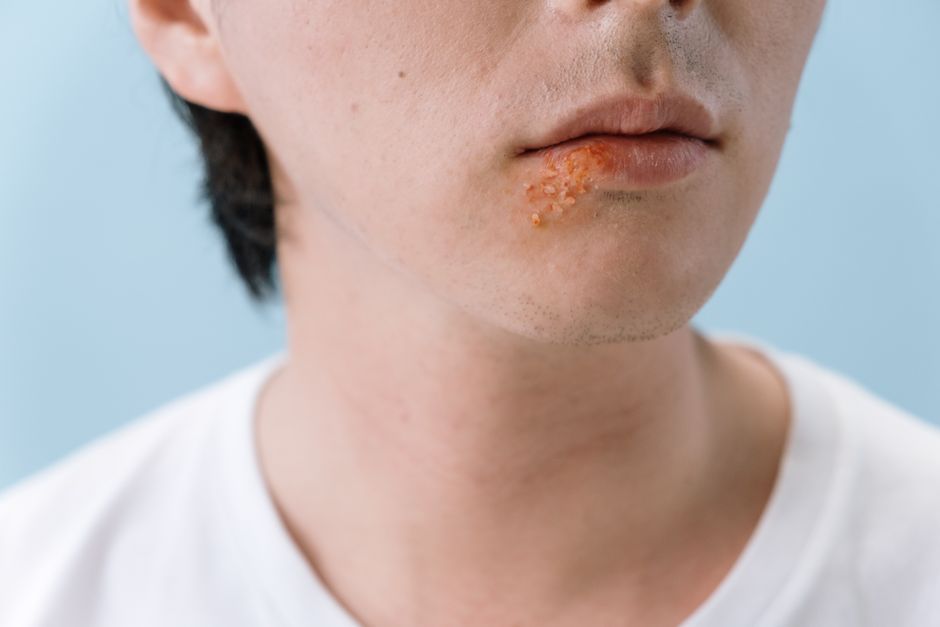
A yeast infection on the skin usually looks like a red, raised rash with clearly defined edges. The center is often bright red and may look shiny or moist, while the border can be slightly raised with small red bumps or scaly patches just outside it. In skin folds, the rash tends to appear as a smooth, deep red patch that stays within the creases rather than spreading outward.
The medical name for this type of infection is cutaneous candidiasis. It is caused by Candida, a type of yeast that normally lives on human skin and in the mouth, gut, and other moist areas of the body. Problems begin when the yeast multiplies faster than the body can keep it in check.
What Does a Yeast Infection on the Skin Look Like in Different Areas?
Location changes the appearance more than most people expect. The same organism can produce a rash that looks quite different depending on where it grows and how much moisture is present.
In skin folds — under the breasts, in the groin, between the buttocks, under the belly, or in the armpits — the rash typically appears as a red, raw-looking patch. The redness often stops sharply at the edge of the fold. Small satellite bumps or pimples may appear just beyond the main red area. This pattern is one of the more distinctive features clinicians look for.
On the hands, Candida can cause redness and swelling around the nail folds, a condition called paronychia. It can also cause a chronic rash between the fingers, especially in people whose hands are frequently in water.
In the diaper area of infants, a yeast rash tends to be bright red with a raised border and smaller red spots nearby. It often involves the skin creases, which is a key difference from ordinary diaper irritation that usually spares the folds.
On other parts of the body — the back, chest, or limbs — the rash may look more like a patchy, scaly area that could be mistaken for eczema or psoriasis. This is one reason skin yeast infections are sometimes missed or misdiagnosed.
What Are the Common Symptoms Besides the Rash?
Itching is the most common symptom and can range from mild to intense. Burning is also frequent, especially in skin folds where the skin is already irritated.
The affected area may feel sore or raw. In some cases, the skin becomes cracked or peels. If the infection is in a moist area, there may be a faint, yeasty odor. When the rash is scratched, small breaks in the skin can develop, which raises the risk of a secondary bacterial infection.
Pain is usually mild unless the skin is deeply cracked or infected. Fever is not a typical symptom of a skin yeast infection. If fever is present, it suggests something else is going on and warrants medical attention.
What Causes a Yeast Infection on the Skin?
Candida albicans is the most common yeast responsible for skin infections, though other Candida species can also cause them. These organisms are part of the normal skin microbiome. They become a problem when the balance shifts in their favor.
Several conditions create that shift:
- Warm, moist environments. Tight clothing, heavy sweating, and skin folds all trap moisture and heat, which help yeast grow.
- A weakened skin barrier. Cuts, scrapes, or chronic irritation give yeast an entry point.
- Antibiotic use. Antibiotics kill bacteria, including the beneficial bacteria that normally keep yeast in check. This is why yeast infections sometimes follow a course of antibiotics.
- Diabetes. High blood sugar gives yeast more fuel to grow. People with poorly controlled diabetes are more prone to skin yeast infections.
- Weakened immune function. Conditions or medications that suppress the immune system increase risk.
- Obesity. Extra skin folds create more areas of trapped moisture.
- Hormonal changes. Pregnancy and some hormonal medications can affect susceptibility.
It is worth noting that yeast infections are not contagious in the usual sense. You cannot catch a skin yeast infection from someone else the way you might catch a cold. The yeast is already on your skin. The infection develops when conditions allow it to overgrow.





How Is a Skin Yeast Infection Diagnosed?
Many clinicians can recognize the pattern visually, especially in classic locations like the groin or under the breasts. But visual inspection alone is not always reliable. Other skin conditions can look very similar.
Conditions that can mimic a skin yeast infection include:
- Eczema, especially in skin folds
- Psoriasis, particularly inverse psoriasis
- Contact dermatitis from soaps, detergents, or fabrics
- Bacterial skin infections
- Intertrigo, which is simple skin fold irritation that can develop a yeast infection on top of it
When the diagnosis is uncertain, a doctor may scrape a small sample of skin and examine it under a microscope. This can confirm the presence of yeast cells. In some cases, a fungal culture is done, though results take longer. A potassium hydroxide (KOH) preparation is a common office test that dissolves skin cells and makes yeast easier to see.
If the infection keeps coming back or does not respond to treatment, further testing may be needed to look for an underlying cause such as diabetes or an immune condition.
How Is a Skin Yeast Infection Treated?
Most skin yeast infections respond to topical antifungal medications. These are available as creams, powders, or lotions. Common active ingredients include clotrimazole, miconazole, and nystatin. Some are available over the counter, while others require a prescription.
Treatment usually continues for a set number of days, and it is important to finish the full course even if the rash looks better. Stopping early can allow the infection to return. The exact duration depends on the specific product and the severity of the infection. A pharmacist or doctor can advise on the right option.
For infections that are widespread, deep, or not responding to topical treatment, a doctor may prescribe oral antifungal medication. This is more common in people with weakened immune systems or recurring infections.
Keeping the affected area clean and dry supports healing. Gentle washing with a mild cleanser and thorough drying — including in the folds — helps. Avoiding tight clothing and using moisture-absorbing powders in skin folds can reduce recurrence. Some clinicians recommend these measures, though formal trials on prevention strategies are limited.
Do not use combination creams that mix an antifungal with a strong steroid unless a doctor recommends it. Steroids can mask symptoms and, if used incorrectly, may make the infection worse.
When Should You See a Doctor?
See a doctor if the rash is spreading quickly, is very painful, or shows signs of a bacterial infection such as pus, increasing warmth, or a foul smell. Fever with a skin rash also warrants prompt medical evaluation.
If you have tried an over-the-counter antifungal for a reasonable period and the rash has not improved, it is time to get a professional opinion. The diagnosis may be wrong, or the infection may need a different treatment.
People with diabetes, a weakened immune system, or a history of recurring yeast infections should see a doctor rather than self-treating. In these groups, infections can be more stubborn and may signal that an underlying condition needs attention.
How Can You Reduce the Risk of Getting One?
Keeping skin dry is the single most useful step. Yeast thrives in moisture. After showering, dry skin folds carefully. If you sweat heavily, change out of damp clothing promptly.
Wear loose, breathable fabrics, especially in areas prone to folding or rubbing. Cotton and moisture-wicking materials are better choices than tight synthetics. For people with diabetes, keeping blood sugar within target ranges reduces the frequency of yeast infections.
Avoid unnecessary antibiotic use when possible. Antibiotics are sometimes essential, but using them only when truly needed helps preserve the body’s natural bacterial balance.
There is no evidence that dietary changes alone prevent skin yeast infections. Some people try eliminating sugar or yeast from their diet, but clinical studies have not confirmed that this prevents or treats cutaneous candidiasis. If you are considering dietary changes, discuss them with a healthcare provider.
Frequently Asked Questions
What does a yeast infection on the skin look like at first?
It often starts as a small red, itchy patch that grows into a rash with a bright red center and a slightly raised, scaly border. In skin folds, it may look raw and moist from the beginning.
How can you tell a yeast infection from a bacterial skin infection?
Yeast infections tend to have well-defined edges with satellite bumps, while bacterial infections often cause more swelling, warmth, and pus. A doctor can confirm the difference with a skin sample if needed.
Is a skin yeast infection contagious?
No, it is not contagious in the usual sense because the yeast already lives on your skin. The infection develops when conditions allow it to overgrow, not from catching it from someone else.
Can a skin yeast infection go away on its own?
Mild cases may improve with keeping the area clean and dry, but most skin yeast infections need antifungal treatment to clear fully. Without treatment, they can persist or spread.
