
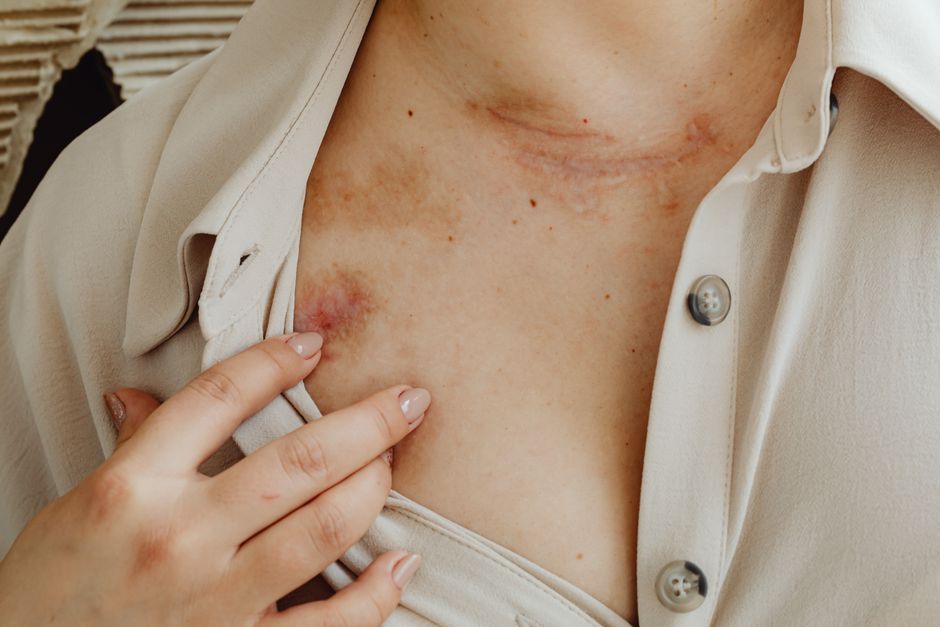
A healing wound changes in predictable ways. The edges draw together, the redness fades, and new pink tissue fills the gap. An infected wound moves in the other direction — redness spreads, pain increases, and fluid turns cloudy or yellow. Knowing which direction yours is heading is the single most useful skill in wound care.
Most minor cuts and scrapes follow a fairly reliable script: bleeding stops, a scab or crust forms, and the body rebuilds underneath. The trouble starts when bacteria get past that process and multiply in the tissue. That shift does not always announce itself loudly. Sometimes it is subtle — a little more warmth, a little more soreness on day three than day one.
This guide walks through what normal healing looks like stage by stage, how an infected wound differs, and which signs mean you should stop watching and call a clinician.
What Does A Wound Look Like Healing Infection And More?
Healing tissue looks calmer over time. Redness shrinks toward the wound edges, swelling goes down, pain eases, and the surface closes from the outside in or from the bottom up, depending on the wound. Infection looks like the opposite trajectory — spreading redness, rising pain, increasing warmth, and drainage that changes color or smell.
The single most reliable signal is direction of travel. A wound that looks a little better each day is almost certainly healing. A wound that looks worse on day three than it did on day one deserves attention, even if each individual sign seems minor.
What Are the Stages of Normal Wound Healing?
Wound healing runs through four overlapping phases. They do not switch on and off cleanly — they blend into each other — but each one has a recognizable look and feel.
Hemostasis
This is the immediate response. Blood vessels constrict, platelets clump together, and a clot forms to stop bleeding. What you see is a fresh clot — dark red at first, then drying to a darker scab over the next day or so. This phase happens within minutes to hours.
Inflammation
This is the phase most people mistake for infection. The area becomes red, warm, slightly swollen, and tender. That is normal. White blood cells are moving in to clear debris and bacteria.
Inflammation typically peaks in the first day or two and then gradually settles. It should not keep getting worse after the first 48 hours. That distinction — improving versus worsening — is the practical dividing line between normal inflammation and early infection.
Proliferation
New tissue starts filling the wound. You will see pink or red tissue in the base of the wound, sometimes with a slightly bumpy texture. This is granulation tissue, and it is a good sign. The edges begin to draw together. New skin, which looks pale pink and thin, starts forming at the margins.
Maturation
The new tissue strengthens and reorganizes. The scar fades from pink or red toward a lighter color over months. Scar tissue never regains the full strength of uninjured skin — it reaches a fraction of original tensile strength over time — which is why a healed wound can still split open under stress for a while.
What Does an Infected Wound Look Like?
An infected wound shows spreading redness, increasing pain, warmth that extends beyond the wound edges, and drainage that turns thick, cloudy, yellow, green, or foul-smelling. These signs tend to worsen rather than improve over the first few days.
Look for these specific changes:
- Redness that spreads — especially streaks moving away from the wound toward the body
- Pain that increases — particularly pain out of proportion to how the wound looks
- Swelling that grows rather than shrinks
- Pus — thick, opaque drainage, often yellow or green
- Odor — a new or worsening smell from the wound
- Delayed healing — no visible progress after several days
One clarification worth knowing: a small amount of clear or slightly blood-tinged fluid in the first day or two is normal wound exudate, not pus. Pus is thicker and opaque. The two are easy to confuse at a glance.
When Should You See a Doctor for a Wound?
Seek medical care promptly for spreading redness, fever, red streaks moving away from the wound, increasing pain, or any wound that is not improving after several days. These are signs an infection may be moving beyond the skin surface.
Get urgent help for these situations:
- Red streaks spreading from the wound toward the torso
- Fever or chills along with a wound
- Rapidly spreading redness or swelling
- Severe pain that is worsening
- Confusion, dizziness, or feeling very unwell
- A wound that will not stop bleeding after firm pressure
Those last signs can indicate a serious infection that has spread into deeper tissue or the bloodstream. That is a medical emergency, not a wait-and-see situation.
Some wounds carry higher infection risk and deserve a lower threshold for evaluation: deep puncture wounds, bites from animals or humans, wounds contaminated with dirt or soil, wounds over joints or on the hands and feet, and wounds in people with diabetes or weakened immune systems.
Which Wounds Heal Differently?
Not every wound follows the same script. Location, depth, and the person’s health all change both the appearance and the timeline.
Surgical wounds are usually closed with stitches or staples and heal by primary intention — the edges are held together and the surface closes quickly. Infection in a surgical wound often shows as increasing redness along the incision line, separation of the edges, or new drainage.
Burns look different from cuts. Superficial burns are red and painful without blistering. Partial-thickness burns blister. Infection in a burn can show as worsening pain, discoloration, or a change in the wound’s appearance after it had been stable.
Diabetic foot wounds are a special case. Neuropathy can blunt pain, so a serious foot wound may not hurt much. Any new foot wound in someone with diabetes deserves prompt professional assessment, because these wounds carry high risk and can worsen without obvious pain.
Chronic wounds — those that have not healed in weeks — often stall for reasons beyond infection, including poor blood flow, pressure, or underlying disease. A wound that is not healing is not automatically infected, but it does need clinical evaluation.
How Should You Care for a Healing Wound?
Clean the wound gently with mild soap and water, keep it covered with a clean dressing, and change the dressing regularly. Avoid harsh antiseptics like hydrogen peroxide or alcohol on open tissue — they can damage the new cells trying to heal the wound.
Keep the wound moist but not soaked. A slightly moist environment supports healing better than a dried-out scab. Cover it with a simple adhesive bandage or gauze and change the dressing when it becomes wet or dirty.
Watch for the trajectory. Take a photo on day one and compare it a couple of days later if you are unsure. The camera is often more honest than memory.
What Slows Wound Healing?
Several conditions reliably slow healing. Diabetes affects blood flow and immune function. Smoking reduces oxygen delivery to tissue. Poor nutrition, especially low protein intake, limits the building blocks the body needs. Some medications, including long-term steroids, can impair healing.
Age matters too, though less than people assume. Older skin heals more slowly, but the bigger factors are circulation, nutrition, and chronic disease. A healthy 70-year-old often heals better than a 50-year-old with poorly controlled diabetes.
If a wound is not progressing as expected, those underlying factors are worth raising with a clinician — not just the wound itself.
Frequently Asked Questions
How can you tell if a wound is healing or infected?
A healing wound gets calmer each day — less redness, less pain, less swelling. An infected wound gets worse over time, with spreading redness, increasing pain, and cloudy or foul drainage.
What does a healing wound look like on day 3?
By day three, most minor wounds show reduced redness and swelling, with pink tissue beginning to fill the base. Pain should be easing, not increasing.
Is it normal for a wound to be red and warm?
Yes, in the first day or two. Mild redness and warmth are part of normal inflammation. Redness or warmth that spreads or worsens after 48 hours is not normal and should be checked.
When should a wound be seen by a doctor?
See a clinician for spreading redness, fever, red streaks, increasing pain, pus, or a wound that is not improving after several days. Deep, dirty, or bite wounds should be evaluated promptly regardless of appearance.
