
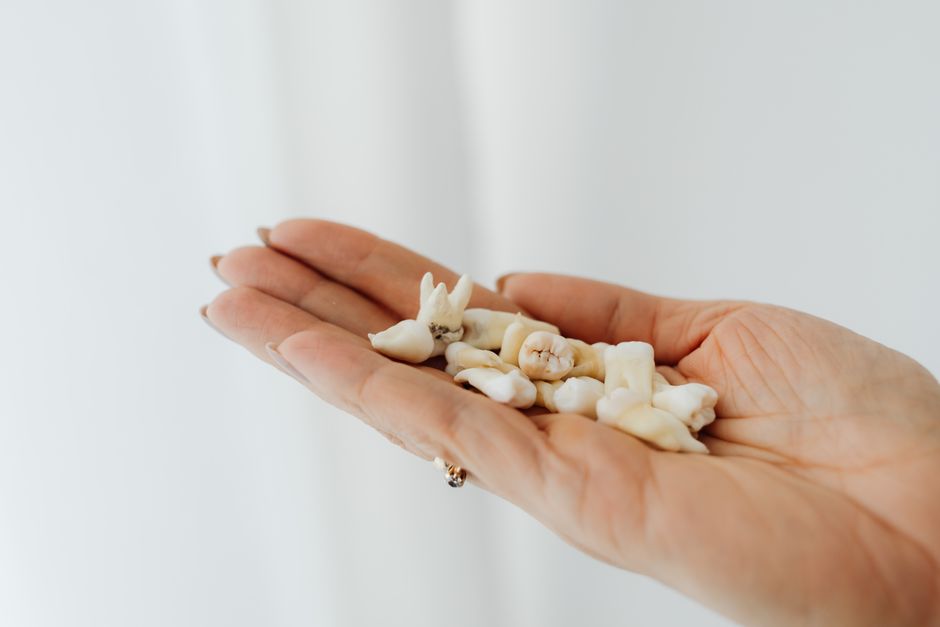
Wisdom tooth removal is one of the most common dental surgeries performed in the United States. Most people heal without problems. But when an infection develops afterward, it has a recognizable look and feel — and knowing the difference between normal healing and something going wrong matters.
A wisdom tooth extraction infection typically appears as increasing swelling around the jaw and cheek, redness, pus or a bad-tasting discharge near the socket, and throbbing pain that gets worse instead of better after the first few days. The gum tissue around the extraction site may look bright red and shiny rather than pale pink. In more serious cases, the swelling can spread toward the neck or make it hard to open your mouth or swallow.
Here is the key distinction: normal healing pain and swelling peak in the first two to three days and then steadily improve. Infection does the opposite. It tends to show up or worsen around day three to five, when you expected to be feeling better.
What Does a Wisdom Tooth Extraction Infection Look Like at the Socket?
At the extraction site itself, infected tissue looks different from healthy healing tissue. A normal socket gradually forms a blood clot that turns grayish-white or yellowish as it heals, and the surrounding gum stays a calm pink.
An infected socket often shows:
- Bright red, swollen, or shiny gum tissue around the opening
- Pus — a thick yellow or green fluid — draining from the socket
- A gray or dark appearance instead of the expected healing clot
- A foul taste or bad breath that does not improve with rinsing
- Visible swelling that pushes the gum away from the socket edges
Pus is the clearest visual sign. It means the body is sending white blood cells to fight bacteria, and those cells plus dead tissue form the fluid you see. If you can taste something bitter or foul, that is often the same process draining into your mouth.
One clarification worth making: a socket that looks empty and gray is not automatically infected. That appearance can also signal a dry socket, which is a different problem — the protective blood clot has been lost or dissolved, exposing bone and nerve. Dry socket is painful but not necessarily infected. The two can occur together, and only a clinician can tell them apart.
What Are the Early Signs an Infection Is Developing?
The earliest signs are usually a change in how you feel on a day you expected improvement. Pain that was fading suddenly intensifies. Swelling that was going down starts to grow.
Watch for these early signals:
- Pain that returns or worsens after day three, especially a throbbing or deep ache
- Swelling that increases rather than decreases
- Fever, which is a whole-body sign that something is wrong
- New redness or warmth over the jaw and cheek
- A bad taste or smell coming from the extraction area
Fever is significant. A normal healing response causes some discomfort and swelling, but it does not typically cause a fever. If you develop a fever after extraction, that is a reason to contact your dentist or doctor rather than wait.
Swelling is normal after surgery, and it usually peaks within the first 48 hours. If swelling is still growing on day four or five, that pattern points away from routine healing.
How Is an Infected Wisdom Tooth Socket Different From Normal Healing?
The single most useful way to tell them apart is the direction of change over time. Normal healing moves toward less pain and less swelling. Infection moves the other way.
| Sign | Normal Healing | Possible Infection |
|---|---|---|
| Pain | Worst first 2-3 days, then improves | Worsens around day 3-5 or later |
| Swelling | Peaks early, then shrinks | Grows or spreads |
| Socket appearance | Grayish-white clot, pink gum | Bright red, pus, dark tissue |
| Taste or smell | Mild, fades | Foul, persistent |
| Fever | Usually absent | Possible |
| Jaw movement | Stiff but improving | Increasingly hard to open |
This table reflects general clinical patterns, not a diagnostic checklist. Some people have mild infections with few visible signs, and some normal recoveries are simply uncomfortable. When in doubt, a professional evaluation settles it.





When Does an Infection Usually Appear After Extraction?
Post-surgical infection most often becomes apparent in the first week, commonly around day three to seven. This timing reflects how bacterial growth and the body’s inflammatory response unfold — it takes time for an infection to build to the point where it produces visible signs.
An infection can occasionally appear later, especially if a fragment of tooth or bone remains in the socket, or if the blood clot is disrupted and bacteria get a foothold. Late-appearing pain or swelling weeks after surgery is uncommon and deserves evaluation.
Timing alone does not confirm an infection. A person with pain on day five might have a dry socket, a piece of trapped debris, or simply a slow recovery. The combination of timing, appearance, and worsening symptoms is what raises suspicion.
What Makes an Infection More Likely After Wisdom Tooth Removal?
Several factors raise the risk of infection after extraction. These are well recognized in surgical and dental practice.
- Smoking — reduces blood flow to the healing tissue and disrupts clot formation
- Poor oral hygiene — allows bacteria to build up around the site
- Pre-existing infection — a tooth that was already infected before removal
- Difficult or prolonged surgery — more trauma and longer exposure
- Weakened immune function — from conditions or medications that suppress immunity
- Not following aftercare instructions — such as vigorous rinsing or spitting too soon
Smoking is one of the most consistent risk factors identified in dental research. The chemicals in smoke narrow blood vessels, and healing depends on good blood flow. Sucking on a cigarette also creates pressure that can dislodge the clot.
Some clinicians recommend antibiotics after extraction for certain patients, but this is not routine for everyone. The evidence for preventive antibiotics in healthy people having simple extractions is limited, and current practice generally reserves them for specific situations. This is a decision your dentist makes based on your individual case.
How Is a Wisdom Tooth Infection Treated?
Treatment depends on how serious the infection is and how far it has spread. A dentist or oral surgeon typically examines the socket, may take an X-ray, and decides on a course of action.
Common approaches include:
- Cleaning the socket — removing debris and pus so the tissue can heal
- Antibiotics — prescribed when the infection is significant or spreading
- Drainage — if a collection of pus has formed, it may need to be opened and drained
- Pain management — to control discomfort during recovery
Antibiotics are not automatic. Many minor socket infections resolve with cleaning and good hygiene. When antibiotics are used, they are chosen based on the likely bacteria involved, and finishing the full course matters because stopping early can allow the infection to return.
If the infection has spread into deeper tissue — causing facial swelling, difficulty swallowing, or difficulty breathing — it becomes a more serious situation that may require urgent care. Infections in the head and neck area can travel along tissue planes, and this is why spreading swelling is taken seriously.
What Are the Warning Signs That Need Urgent Care?
Most post-extraction infections are manageable with prompt dental care. Some signs mean you should seek care right away rather than wait for an appointment.
Get urgent medical or dental attention if you have:
- Swelling that is spreading down the neck or under the jaw
- Difficulty swallowing or breathing
- Fever that is high or persistent
- Severe pain not controlled by your prescribed medication
- Rapidly increasing swelling that closes your eye or distorts your face
Difficulty breathing or swallowing is the most serious of these. It suggests the infection may be affecting the airway or deep neck spaces, which is a medical emergency. Do not wait to see if it improves.
It is also worth noting that not every complication is an infection. Persistent numbness, a piece of exposed bone, or a sinus connection are separate issues that need different care. A clinician sorts out which is which.
How Can You Lower the Risk of Infection After Extraction?
Following your surgeon’s aftercare instructions closely is the most reliable way to reduce infection risk. These instructions exist because they address the specific ways infections start.
General aftercare guidance includes:
- Avoid smoking and vaping during healing
- Do not rinse, spit, or use a straw forcefully in the first 24 hours
- Keep the mouth clean, gently resuming brushing as directed
- Eat soft foods and avoid very hot or crunchy items early on
- Take medications exactly as prescribed
- Attend any follow-up appointment
Gentle saltwater rinses are commonly recommended starting a day or so after surgery, but the exact timing should come from your dentist. Rinsing too early or too vigorously can dislodge the clot that protects the socket.
No aftercare routine eliminates all risk. Infections can happen even with perfect care, which is why knowing the warning signs matters as much as prevention.
Frequently Asked Questions
What does an infected wisdom tooth socket look like?
It often looks bright red and swollen, with pus or a dark gray area instead of a healthy healing clot. A foul taste or smell from the site is another common sign.
How soon after extraction can an infection start?
Infection usually becomes visible in the first week, most often around day three to seven. It typically shows up when you expected to be improving, not getting worse.
Can I tell an infection from normal healing on my own?
You can watch for worsening pain, growing swelling, fever, and pus, which point toward infection. Only a dentist or doctor can confirm it, so contact a professional if you are unsure.
Is a fever after wisdom tooth removal a sign of infection?
A fever is not a typical part of normal healing and can indicate infection. Contact your dentist or doctor if you develop one after extraction.
