
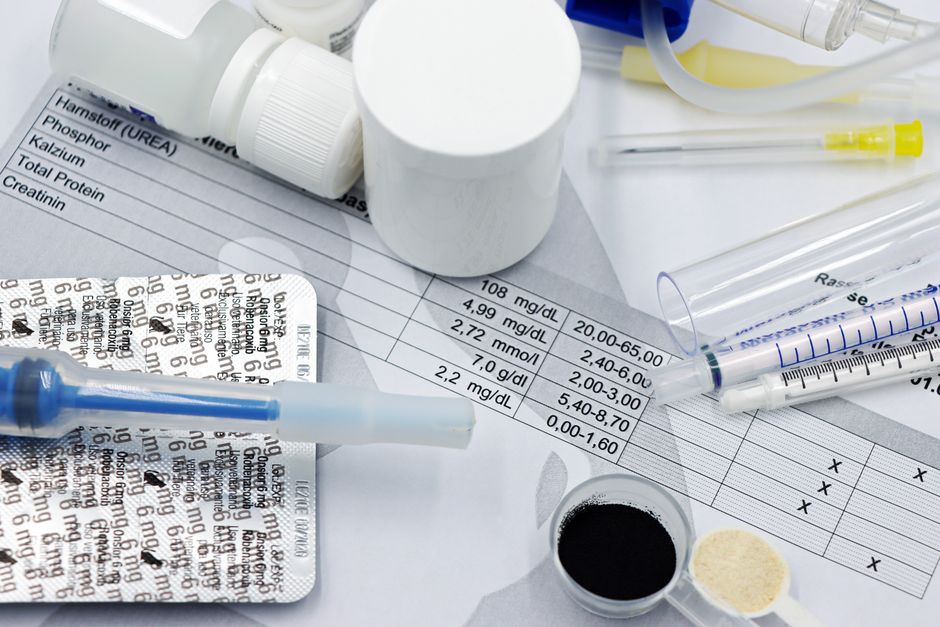
A urinalysis is a lab test that examines the physical, chemical, and microscopic properties of your urine. It can reveal signs of urinary tract infections, kidney problems, dehydration, diabetes, and liver conditions. It is one of the most common tests in medicine — quick, cheap, and surprisingly informative.
What Does a Urinalysis Show?
A urinalysis shows what is present in your urine that should not be there, and what is missing that should be there. That is the simplest way to understand it.
The test is usually done in three parts. Each part looks at your urine from a different angle.
- Physical exam: Color, clarity, and concentration (specific gravity).
- Chemical dipstick: Tests for pH, protein, glucose, ketones, blood, white blood cells, nitrites, bilirubin, and other substances.
- Microscopic exam: Looks for cells, crystals, bacteria, and casts under a microscope.
No single result stands alone. A dipstick that turns positive for blood means little without the microscopic findings and your symptoms. Clinicians read the whole picture together.
What Can a Urinalysis Detect?
A urinalysis can point toward several conditions, though it rarely confirms a diagnosis by itself. It is a screening tool that flags something worth investigating further.
Common findings include:
- Urinary tract infection (UTI): White blood cells and nitrites in the urine suggest bacteria are present. Nitrites are produced by certain bacteria, so a positive nitrite result is fairly specific. A negative result does not rule out infection.
- Kidney disease: Protein in the urine can signal that the kidneys are leaking protein they should be keeping. This is one of the earliest signs of kidney damage, especially in people with diabetes or high blood pressure.
- Diabetes: Glucose in the urine usually means blood sugar has exceeded the level at which the kidneys can reabsorb it. This is a red flag, not a diagnosis.
- Dehydration: Dark, concentrated urine with high specific gravity suggests you need more fluids.
- Liver or gallbladder problems: Bilirubin in the urine can indicate liver disease or a blocked bile duct.
- Kidney stones: Blood in the urine, sometimes with crystals visible under the microscope, can point to stones.
Some of these findings are more specific than others. Blood in the urine, for example, has many possible causes — from a benign condition to something serious. It always warrants follow-up.
What Do the Different Results Mean?
Each component of a urinalysis carries its own meaning. Understanding what each one measures helps you make sense of your results.
| Component | What It Measures | What an Abnormal Result May Indicate |
|---|---|---|
| Color | Hydration and possible substances | Dark yellow = dehydration; red or brown = blood, certain foods, or medications |
| Clarity | How clear the sample is | Cloudy urine may suggest infection, crystals, or cells |
| Specific gravity | Concentration of the urine | High = dehydration; low = diluted urine, possible kidney issue |
| pH | Acidity or alkalinity | Can be affected by diet, infection, or kidney function |
| Protein | Protein leaking into urine | May indicate kidney damage or temporary stress |
| Glucose | Sugar in urine | Usually indicates blood sugar is too high |
| Ketones | Fat breakdown products | Can indicate fasting, low-carb diet, or uncontrolled diabetes |
| Blood | Red blood cells in urine | Many causes: infection, stones, injury, or other conditions |
| White blood cells | Immune cells in urine | Often suggests infection or inflammation |
| Nitrites | Byproduct of certain bacteria | Suggests a bacterial urinary tract infection |
| Bilirubin | Liver waste product | May indicate liver disease or bile duct blockage |
A single abnormal result does not mean you have a disease. Many factors — exercise, dehydration, diet, medications, menstrual cycle — can temporarily affect results. That is why repeat testing and clinical context matter.





How Is a Urinalysis Performed?
A urinalysis requires a clean urine sample, usually collected midstream. You urinate a small amount into the toilet first, then collect the rest in a cup. This reduces contamination from the skin and genital area.
For a routine test, no fasting or special preparation is needed. If you are menstruating, tell your provider — blood from your period can contaminate the sample and lead to misleading results.
Once collected, the sample is typically analyzed within an hour. If it sits too long at room temperature, bacteria multiply and cells break down, which can change the results. Some labs refrigerate the sample if there is a delay.
The dipstick portion takes seconds. The microscopic portion requires a technician to spin the urine in a centrifuge, place the sediment on a slide, and examine it under a microscope. Results usually come back the same day or within a few days, depending on the setting.
When Is a Urinalysis Ordered?
Doctors order urinalysis for many reasons. It is often part of a routine checkup, but it is also used to investigate specific symptoms or monitor ongoing conditions.
Common reasons include:
- Burning or pain during urination
- Frequent urge to urinate
- Blood in the urine
- Flank or lower back pain
- Monitoring diabetes, kidney disease, or high blood pressure
- Pre-surgery screening
- Pregnancy care
- Unexplained fever or fatigue
In pregnancy, urinalysis is a standard part of prenatal care. It screens for protein in the urine, which can be an early sign of preeclampsia — a serious condition that requires prompt medical attention. It also checks for asymptomatic urinary infections, which are more common during pregnancy and can lead to complications if untreated.
What Can Affect Urinalysis Results?
Many things can skew a urinalysis. Knowing these factors helps you and your doctor interpret results accurately.
Medications are a common culprit. Some antibiotics, diuretics, and pain relievers can change urine color or cause false positives on the dipstick. Vitamin C (ascorbic acid) in high doses can mask glucose and blood on some dipsticks.
Foods can change urine color. Beets, blackberries, and rhubarb can turn urine red or pink. Asparagus can give it a distinctive smell. None of these indicate a medical problem.
Exercise can cause temporary protein or blood in the urine. This is usually benign and resolves with rest, but it should be confirmed on repeat testing.
Hydration status affects concentration. Very dilute urine can make it harder to detect certain abnormalities. Very concentrated urine can cause false positives for some markers.
Contamination from skin, stool, or menstrual blood is a frequent cause of misleading results. A clean catch technique reduces this risk.
If a result seems off, your doctor may repeat the test or order a urine culture to confirm or rule out infection.
What a Urinalysis Cannot Tell You
A urinalysis is useful, but it has limits. It cannot diagnose most conditions on its own. It cannot tell you the severity of kidney disease, the type of kidney stone, or whether a urinary infection has spread to the kidneys.
It also cannot detect all urinary tract infections. Some infections do not produce nitrites or noticeable white blood cells. If symptoms are strong but the urinalysis looks normal, a urine culture may still be needed.
For kidney function, a urinalysis is only part of the picture. Blood tests that measure creatinine and estimate glomerular filtration rate (eGFR) give a more complete view of how well your kidneys are filtering waste.
For diabetes, a urinalysis is not the preferred screening test. Blood glucose tests and A1C are far more reliable. Glucose in the urine appears only after blood sugar has been elevated for some time.
Think of urinalysis as a first look — a way to spot something that needs a closer examination. It is not the final word.
Frequently Asked Questions
Can a urinalysis detect a urinary tract infection?
Yes, a urinalysis can suggest a UTI by showing white blood cells, nitrites, or bacteria in the urine. However, a urine culture is often needed to confirm the infection and identify the specific bacteria.
What does blood in the urine mean on a urinalysis?
Blood in the urine can have many causes, including infection, kidney stones, strenuous exercise, or other conditions. It always warrants follow-up with a doctor to determine the source.
Can a urinalysis show dehydration?
Yes, dark yellow urine with high specific gravity typically indicates dehydration. Drinking more fluids usually corrects this, but persistent findings should be evaluated.
How long does it take to get urinalysis results?
Results are often available within a few hours to a few days, depending on whether the test is done in a clinic, hospital, or outside lab. Some offices can provide preliminary results during your visit.
