
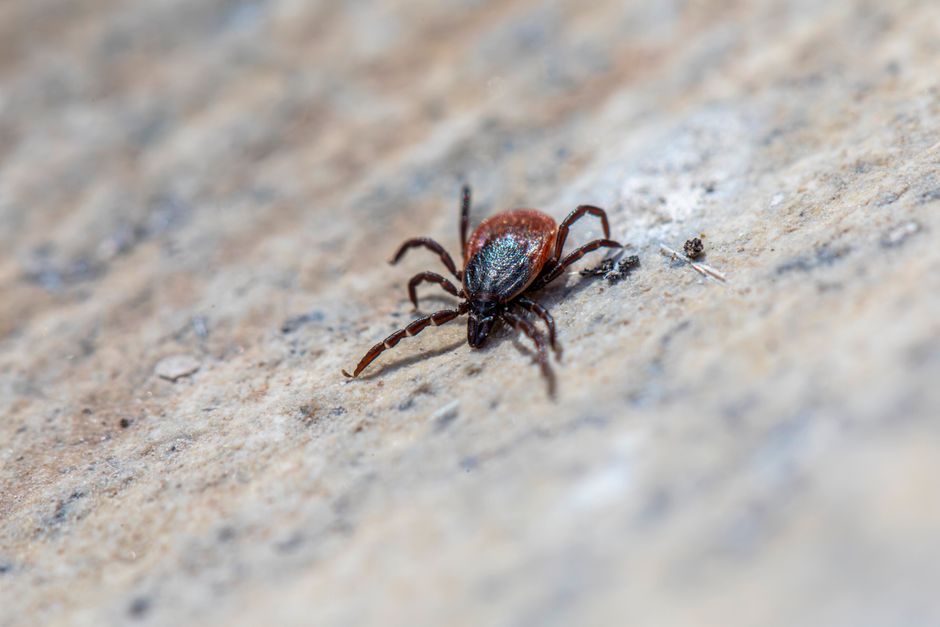
Ticks are parasites. They feed on blood. It is their only food source at every stage of life. From the moment they hatch as larvae until they mature into adults, a tick’s survival depends entirely on finding a host and taking a blood meal. Without blood, a tick will die.
What Does A Tick Eat Blood Is Their Only Food?
Yes, blood is the only thing a tick eats. Ticks do not consume plant material, nectar, or other insects. They are obligate hematophages, which is the scientific term for an organism that must eat blood to survive.
Every single tick species on earth feeds on blood. The host animal varies depending on the tick species and its life stage. Some ticks prefer small mammals like mice. Others target birds, reptiles, or larger animals like deer, dogs, and humans.
A tick uses a specialized mouthpart to pierce the skin of its host. It then feeds slowly, often for several days. The tick’s body expands dramatically as it fills with blood. A fully engorged female tick can weigh more than 100 times her unfed body weight.
What Do Ticks Eat at Each Life Stage?
Ticks have four life stages: egg, larva, nymph, and adult. The egg stage requires no food. Once the larva hatches, it immediately begins searching for a host.
- Larva: Newly hatched ticks have six legs and are very small. They need one blood meal to molt into the next stage. Larval ticks often feed on small rodents and birds.
- Nymph: After molting, the nymph has eight legs. Nymphs need one blood meal to grow into adults. They are slightly larger than larvae and may feed on medium-sized animals.
- Adult female: Adult females need a large blood meal to produce eggs. After feeding, they drop off the host and lay thousands of eggs.
- Adult male: Males also take blood meals, but they feed less frequently and consume smaller amounts. Their main role is mating.
Most tick species take only one blood meal per life stage. This means a typical tick feeds only three times in its entire life. Between meals, ticks wait in vegetation for a host to pass by, a behavior called questing.
How Does a Tick Actually Feed?
A tick bite is not like a mosquito bite. Ticks do not simply pierce the skin and drink. The process is slow and complex.
When a tick finds a suitable spot on a host, it cuts into the skin using its mouthparts. It then inserts a barbed structure called the hypostome, which anchors the tick firmly in place. The tick secretes cement-like saliva that hardens and keeps it attached.
Tick saliva contains dozens of bioactive compounds. These compounds prevent the host’s blood from clotting, reduce pain, and suppress the local immune response. This is why most people never feel a tick bite while it is happening. The tick is essentially injecting a chemical cocktail that allows it to feed undisturbed.
The tick then sucks blood slowly. The feeding process can take anywhere from a few days to nearly two weeks, depending on the species and life stage. A tick can increase its body size several times over during this period.





How Long Can a Tick Survive Without Eating?
Ticks are remarkably resilient when it comes to waiting for a meal. They can survive long periods without blood, but the exact duration depends on the species, life stage, and environmental conditions.
Some species can survive for months without feeding. Others can survive for over a year in the right conditions. In laboratory settings, some adult ticks have survived more than two years without a blood meal.
Humidity is critical for tick survival. Ticks lose water through their bodies and can dry out quickly. They seek out humid environments like leaf litter, tall grass, and wooded areas to prevent dehydration while waiting for a host.
This ability to wait is one reason ticks are such effective disease vectors. They can remain in an area for extended periods, ready to attach to any passing animal or human.
Do All Ticks Need Blood to Reproduce?
Blood is required for reproduction in female ticks. A female tick cannot lay eggs without taking a blood meal first. The proteins and nutrients in blood are essential for egg development.
A single engorged female can lay anywhere from 1,000 to over 18,000 eggs, depending on the species. After laying eggs, the female typically dies. Males may continue to survive for a short time after mating, but their life cycle is also tied to blood feeding.
There are no known tick species that reproduce without blood. The entire life cycle of every tick species depends on blood availability.
Can Ticks Feed on Anything Other Than Blood?
No. Ticks cannot digest anything other than blood. Their digestive system is specifically adapted for processing blood proteins and nutrients.
Unlike many other arachnids, ticks do not have the enzymes needed to break down plant material or other organic matter. If a tick cannot find a blood host, it will eventually starve to death.
This is an important distinction from other pests. Many insects, like cockroaches or ants, will eat a wide range of organic material. Ticks have no such flexibility. Their survival depends entirely on one specific food source.
Why Does Tick Feeding Matter for Human Health?
The blood-feeding behavior of ticks is directly linked to disease transmission. When a tick feeds on an infected animal, it can pick up pathogens in the blood. These pathogens then live inside the tick.
When the tick later feeds on a human or another animal, it can transmit these pathogens through its saliva. This is how diseases like Lyme disease, Rocky Mountain spotted fever, and anaplasmosis spread.
The slow feeding process increases disease risk. Because ticks remain attached for days, they have ample time to transmit pathogens. Research consistently shows that the risk of infection increases the longer a tick remains attached. Removing a tick promptly reduces but does not eliminate the risk of disease transmission.
Not all ticks carry pathogens. In most areas, only a fraction of ticks are infected. However, because tick-borne diseases can be serious, prompt removal and monitoring are always recommended.
How to Remove a Tick Safely
If you find a tick attached to your skin, remove it as soon as possible. Use fine-tipped tweezers for the best results.
Grasp the tick as close to the skin surface as possible. Pull upward with steady, even pressure. Do not twist or jerk the tick, as this can cause the mouthparts to break off and remain in the skin.
After removal, clean the bite area with rubbing alcohol or soap and water. Do not use petroleum jelly, nail polish, or a hot match to try to remove a tick. These methods are not effective and may cause the tick to regurgitate fluid into the bite wound, which can increase infection risk.
If you develop a rash, fever, or flu-like symptoms within several weeks of a tick bite, contact a healthcare provider. Mention the tick bite so it can be considered in your evaluation.
Frequently Asked Questions
Do ticks eat anything besides blood?
No. Blood is the only food source for ticks at every life stage. They cannot digest plant material or other organic matter.
How long can a tick live without feeding?
Some tick species can survive for months or even over a year without a blood meal. Survival time depends on the species and environmental humidity.
Can a tick survive after being removed from a host?
Yes, a tick can survive after removal if it has already taken a blood meal. An engorged tick can live for some time while digesting its meal and may lay eggs if it is a female.
Do ticks need blood to lay eggs?
Yes. Female ticks must take a blood meal before they can lay eggs. The blood provides the nutrients needed for egg production.
