

A swollen prostate often feels like a persistent need to urinate, a weaker urine stream, and a sense of incomplete emptying after you go. Some men also notice a feeling of pressure or fullness in the lower pelvis or perineum — the area between the scrotum and the anus. These sensations come from an enlarged prostate pressing on the urethra, the tube that carries urine out of the bladder.
The prostate sits just below the bladder and surrounds the urethra like a donut around a straw. When the gland enlarges, it squeezes that tube. The result is a set of urinary symptoms that tend to build slowly over months or years, not overnight. That slow onset is one of the most telling features.
What Does a Swollen Prostate Actually Feel Like?
Most men describe it as a change in urination, not pain. The most common sensations include:
- A frequent urge to urinate, including waking up multiple times at night
- A urine stream that starts slowly, stops and starts, or dribbles at the end
- A feeling that the bladder never fully empties
- Straining or pushing to get urine flowing
- Pressure, aching, or a dull heaviness in the lower belly, groin, or perineum
The word “swollen” is a little misleading. In most cases, the prostate is not swollen in the way an ankle swells after a sprain. It is enlarged — the tissue has grown. That distinction matters because it separates two different conditions.
Benign prostatic hyperplasia (BPH) is a non-cancerous growth of the prostate gland. It is extremely common with age. Prostatitis, by contrast, is inflammation of the prostate, and it often does cause a genuinely swollen, tender, and sometimes painful gland. The two can produce overlapping symptoms, but they are not the same thing.
Some men with an enlarged prostate feel almost nothing at all. Prostate size and symptom severity do not always match. A mildly enlarged gland can cause significant urinary trouble, while a very large one may cause few complaints. Where the growth sits relative to the urethra matters more than raw size.
Why Does an Enlarged Prostate Cause These Symptoms?
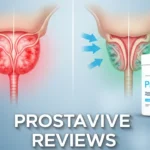
The prostate surrounds the urethra at the point where it exits the bladder. As the gland grows, it narrows that channel. Think of stepping on a garden hose — the flow weakens and the bladder has to work harder to push urine through.
Over time, the bladder muscle thickens to compensate. That extra work makes the bladder more sensitive and irritable, which is why frequency and urgency show up even when the bladder is not full. The bladder can also develop small contractions that create a sudden, hard-to-ignore urge to go.
Two zones of the prostate matter here. The inner zone, called the transition zone, is where BPH typically develops. It sits right against the urethra, so even modest growth there causes noticeable symptoms. Prostate cancer, by contrast, more often starts in the outer zone — which is one reason early prostate cancer frequently causes no urinary symptoms at all.
That last point is worth sitting with. Urinary symptoms are a poor screening tool for prostate cancer. Many men assume that a strong urine stream means they are in the clear. It does not work that way.
How Is BPH Different From Prostatitis?
BPH is a gradual enlargement. Prostatitis is inflammation, and it usually feels different.
Prostatitis can cause pain in the perineum, lower back, or tip of the penis. It may bring burning with urination, fever, or flu-like feelings. Some forms come on suddenly and are clearly an infection. Others linger for months with discomfort and urinary symptoms but no infection that doctors can find — a condition sometimes called chronic pelvic pain syndrome.
The table below compares the two at a general level. Individual cases vary, and only a clinician can sort out which is which.
| Feature | BPH (enlargement) | Prostatitis (inflammation) |
|---|---|---|
| Typical onset | Gradual, over years | Sudden or recurring |
| Main complaint | Weak stream, frequency, incomplete emptying | Pain, burning, pelvic discomfort |
| Fever | Not typical | Possible with infection |
| Pain level | Usually mild or absent | Often notable |
| Age pattern | More common with age | Can occur at any adult age |
If you have fever, chills, or severe pain with urination, that points toward infection and needs prompt medical attention. A urinary tract infection or acute bacterial prostatitis can escalate quickly.




When Should You See a Doctor About Prostate Symptoms?
See a doctor if you cannot urinate at all, if you have blood in your urine, or if you have fever with urinary pain. Those are urgent. For less dramatic symptoms, the general guidance is to get evaluated once urinary changes start affecting your sleep, your daily routine, or your quality of life.
There is no single cutoff that says “now it’s time.” A reasonable rule is that any persistent change in urination deserves a conversation. That is especially true if you are noticing it more than occasionally.
Evaluation usually starts with a medical history and a symptom questionnaire. A clinician may perform a digital rectal exam, which means feeling the prostate through the rectal wall to assess its size, shape, and texture. A urinalysis can check for infection or blood. Other tests — such as a prostate-specific antigen (PSA) blood test or a urine flow study — may be offered depending on your situation.
PSA testing is a personal decision worth discussing with your doctor. It can be elevated by BPH, infection, or cancer, so it is not a cancer test on its own. Guidelines from major medical organizations differ on routine screening, and the conversation should weigh your age, risk factors, and preferences.
What Helps With Urinary Symptoms From an Enlarged Prostate?
Treatment depends on how much the symptoms bother you. For mild symptoms, some men choose watchful waiting with periodic check-ins. That is a legitimate option when symptoms are not disruptive.
Lifestyle adjustments that some clinicians suggest include:
- Drinking less fluid in the evening to reduce nighttime urination
- Limiting caffeine and alcohol, which can irritate the bladder
- Emptying the bladder fully by waiting a moment and trying again
- Reviewing medications that can affect urination, such as some cold remedies
For moderate to bothersome symptoms, medications are commonly prescribed. Two main classes are used: alpha-blockers, which relax the smooth muscle in the prostate and bladder neck to improve flow, and 5-alpha-reductase inhibitors, which can shrink the gland over time. Each has benefits and side effects. Alpha-blockers tend to work faster; 5-alpha-reductase inhibitors take months and work best in men with larger glands.
For more severe cases, procedures can remove or reduce obstructing tissue. These range from traditional surgery to newer minimally invasive options. Which one fits depends on gland size, your overall health, and whether you want to preserve ejaculatory function, which some procedures affect.
What no treatment does is cure BPH permanently in the sense of stopping the aging process behind it. Symptoms can improve substantially, but the underlying tendency for the gland to enlarge remains.
Does an Enlarged Prostate Mean Cancer?
No. BPH is not cancer, and having BPH does not mean you will develop prostate cancer. The two conditions are separate, though they can occur together because both become more common with age.
The tricky part is that BPH and early prostate cancer can both raise PSA levels and cause similar urinary symptoms. That overlap is why doctors sometimes recommend further testing when results are unclear.
There is no proven way to prevent either condition through diet or supplements, despite what many products claim. Some research has looked at diet and lifestyle factors, but the evidence is not strong enough to support specific prevention recommendations. Be cautious of supplements marketed for “prostate health” — most have not been shown in large human trials to shrink the prostate or relieve symptoms.
What Else Can Cause Similar Symptoms?
Several other conditions can mimic an enlarged prostate. A urinary tract infection, bladder stones, an overactive bladder, and narrowing of the urethra from scar tissue can all produce frequency, urgency, or a weak stream. So can some neurological conditions that affect bladder control.
This is why self-diagnosis is unreliable. The symptoms overlap enough that a proper evaluation matters. A clinician can usually narrow things down with a history, an exam, and basic tests.
Age is the single strongest factor for BPH. The gland typically begins enlarging in a man’s 40s, and the likelihood rises steadily after that. By the time men reach their 60s and beyond, some degree of enlargement is common, though not every man develops bothersome symptoms.
Frequently Asked Questions
What does a swollen prostate feel like when you urinate?
It usually feels like a weak or slow stream, dribbling at the end, and a sense that your bladder is not fully empty. Some men also feel pressure or a dull ache in the lower pelvis or perineum.
Can an enlarged prostate cause pain?
BPH itself often causes little or no pain, but it can create a sense of pressure or heaviness. Noticeable pain, burning, or fever is more typical of prostatitis or an infection and should be checked promptly.
How do I know if my prostate is enlarged or if it is something else?
You cannot tell on your own, because urinary tract infections, bladder stones, and other conditions cause overlapping symptoms. A doctor can distinguish them with a history, an exam, and basic urine tests.
Does an enlarged prostate always need treatment?
No. Mild symptoms that do not disrupt daily life are often managed with monitoring and lifestyle adjustments. Treatment is generally considered when symptoms affect sleep, activity, or quality of life.
