
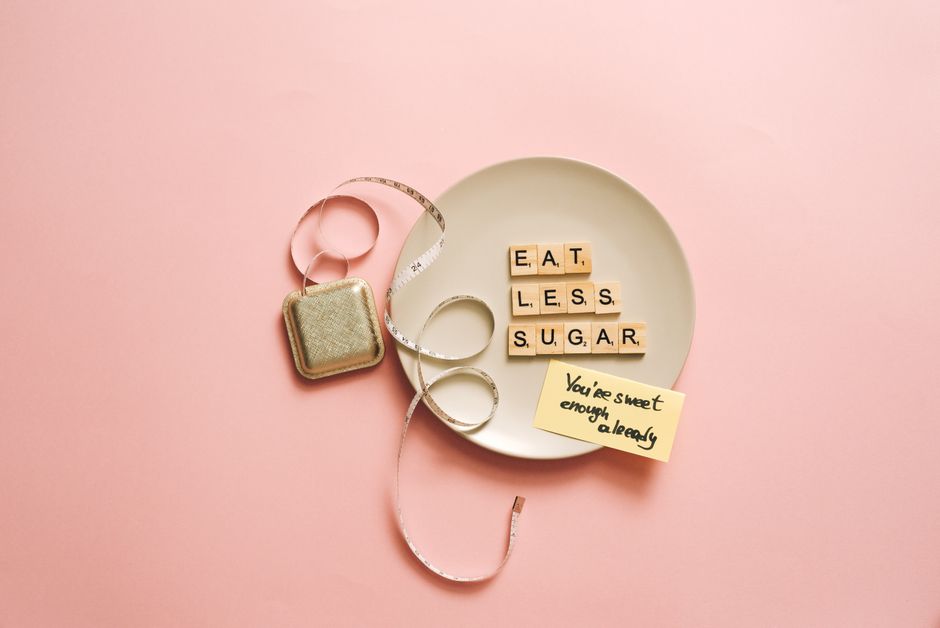
A sugar free diet means eating foods that contain no added sugar — and, in stricter versions, no sugar at all, including the natural sugars in fruit and milk. In practice, most people who say they eat sugar free are cutting out added sugars: sweetened drinks, desserts, candy, and the many packaged foods that list sugar under other names. It does not automatically mean a low-carb diet, and it does not require special products. It is mostly a shift toward whole foods and careful label reading.
The term itself has no single legal definition in everyday use. That matters, because two people can both claim to eat “sugar free” and be eating very differently. This guide explains what the diet actually looks like on a plate, how to spot hidden sugars, and where the real challenges are.
What Does A Sugar Free Diet Look Like on a Plate?
A sugar free plate looks like ordinary food with the sweet extras removed. Vegetables, eggs, meat, fish, beans, plain dairy, nuts, and whole grains form the base. The change is what disappears: the sweetened yogurt, the granola, the bottled sauce, the afternoon soda.
Breakfast might be plain eggs with vegetables, or unsweetened oatmeal with nuts. Lunch could be a salad with olive oil and vinegar rather than a sweet dressing. Dinner is often the easiest meal, since most home-cooked savory dishes contain little or no added sugar.
The friction shows up in snacks and drinks. Those are where most added sugar in the typical diet comes from. Sugar-sweetened beverages are consistently identified as the largest single source of added sugars in US diets. Replacing them with water, sparkling water, or unsweetened tea does more to cut sugar intake than almost any other single change.
What Counts as Sugar on a Sugar Free Diet?
The word “sugar” covers a lot of ground, and the distinctions matter. Added sugars are sugars put into food during processing or preparation. Natural sugars occur in fruit, vegetables, and milk. A strict sugar free diet may exclude both. A more common version excludes only added sugars.
Whole fruit is a useful example of why the distinction matters. Fruit contains fructose, a sugar. But it also contains fiber and water, which slow how quickly it is absorbed. A piece of fruit and a glass of juice are not nutritionally equivalent, even when the sugar content looks similar on a label.
Here is how the main categories break down:
- Added sugars — table sugar, honey, maple syrup, agave, corn syrup, and the sugars added to packaged foods. These are the primary target of most sugar free diets.
- Natural sugars in whole foods — fructose in fruit, lactose in milk. Often kept in moderate amounts.
- Sugar alcohols — maltitol, sorbitol, xylitol, erythritol. These are carbohydrates that taste sweet but are not classified as sugars. They are common in “sugar free” packaged products.
- Non-nutritive sweeteners — stevia, sucralose, aspartame, monk fruit. These contain no sugar and negligible calories.
One clarification people often miss: a product labeled “sugar free” is not necessarily free of carbohydrates or calories. Sugar alcohols and other bulking ingredients still contain carbohydrate, and some people experience digestive discomfort from them, especially in larger amounts.
How Do You Spot Hidden Sugar on Labels?
Sugar hides under dozens of names, and food manufacturers are not required to make it obvious. The Nutrition Facts panel lists “Total Sugars” and, on current US labels, “Added Sugars” as a separate line. That added sugars line is the single most useful number for this diet.
The ingredient list is the second tool. Anything ending in “-ose” is usually a sugar — dextrose, fructose, maltose, sucrose. So are syrup, honey, molasses, agave nectar, fruit juice concentrate, and maltodextrin. If several of these appear, the product may contain more added sugar than the label total suggests, because ingredients are listed by weight and split across multiple names.
Watch for these common hiding places:
- Pasta sauces, ketchup, and barbecue sauce
- Salad dressings and marinades
- Bread, crackers, and granola
- Flavored yogurt and plant-based milk
- Protein bars and “healthy” snack products
- Breakfast cereals and instant oatmeal packets
Reading labels gets faster with practice. Most people find they buy the same core items repeatedly, so once you have checked a brand of pasta sauce or bread, you know where it stands.
Are Sugar Free Products Actually Healthier?
Not automatically. A “sugar free” label describes what a product lacks, not what it contains. Many sugar free cookies, candies, and desserts are still highly processed and can be high in refined starch, saturated fat, or sugar alcohols.
Research on non-nutritive sweeteners is genuinely mixed. Some studies suggest they can help people reduce total sugar and calorie intake when used to replace sugary foods. Other research raises questions about long-term effects on appetite, gut bacteria, and glucose metabolism, but the findings are not consistent and no clear consensus has emerged. The evidence does not currently support calling them harmful, and it does not support calling them a health food either.
For most people, whole foods that never had sugar added are a more reliable foundation than packaged products engineered to be sugar free. That is a practical observation, not a rule. A sugar free sweetener in coffee is a reasonable swap for someone cutting back.
What Are the Hardest Parts of Eating Sugar Free?
The first week is often the hardest, and the reasons are partly physical. Sugar activates reward pathways in the brain, and reducing it abruptly can bring temporary cravings, irritability, and low energy. These typically ease within days to a couple of weeks for most people, though individual experience varies and there is no fixed timeline that applies to everyone.
Social situations are the bigger long-term challenge. Meals with family, office treats, holidays, and celebrations all center on food. Having a plan — eating before events, bringing a dish you know fits, or deciding in advance which exceptions are worth it — reduces the friction.
Eating out is another pressure point. Restaurant sauces and marinades often contain sugar, and menu descriptions rarely mention it. Asking for sauces on the side or requesting plain grilled preparations is a practical workaround, though it depends on the kitchen.
There is also an emotional layer. Many people use sweet foods for comfort or reward, and removing them can leave a gap. That is worth naming honestly rather than treating as a willpower problem.
Is a Completely Sugar Free Diet Realistic or Necessary?
A diet with zero sugar of any kind is difficult and probably unnecessary for most healthy adults. It would mean excluding fruit, milk, and many vegetables, which removes fiber, vitamins, and minerals that support health.
Major health organizations recommend limiting added sugars rather than eliminating all sugars. The general direction of that guidance is to keep added sugars to a small share of daily calories and to prioritize whole foods. The specific numbers have been updated over time, so it is worth checking current guidance rather than relying on an old figure.
For people with certain medical conditions, a more restrictive approach may be appropriate, but that should come from a clinician who knows the individual case. Diabetes management, for example, involves tracking total carbohydrate, not just sugar. No single diet template fits everyone.
What Should You Watch For on a Sugar Free Diet?
Cutting sugar usually means cutting calories, and that can be a good thing or a problem depending on the starting point. People who replace sugary foods with vegetables, protein, and healthy fats generally feel satisfied. People who simply remove foods without replacing them can end up undereating and fatigued.
Fiber intake is worth attention. Fruit is a major fiber source for many people, and a strict sugar free diet may reduce it. Beans, vegetables, nuts, and whole grains can fill that gap.
Digestive symptoms are common when sugar alcohols are eaten in quantity. Bloating, gas, and loose stools are well documented effects of these ingredients, particularly maltitol and sorbitol. If a sugar free product causes discomfort, the sweetener is a likely cause.
Anyone managing a health condition, taking medication, or who is pregnant or breastfeeding should talk with a clinician before making significant dietary changes. No clinical guidelines exist for a strict sugar free diet in these groups, so individual guidance matters more than any general rule.
Frequently Asked Questions
What does a sugar free diet look like for beginners?
Start by cutting sweetened drinks, then swap packaged snacks for whole foods like nuts, vegetables, or plain yogurt. Most beginners do not need to eliminate fruit or dairy to see a meaningful reduction in added sugar.
Can you eat fruit on a sugar free diet?
Yes, most sugar free diets allow whole fruit because its natural sugar comes packaged with fiber and water. Stricter versions exclude it, but that also removes fiber and nutrients that support health.
Is honey allowed on a sugar free diet?
Usually no, because honey counts as an added sugar under US labeling rules. It contains sugars that affect the body similarly to table sugar, even though it also has minor amounts of other compounds.
Do sugar free foods have carbs?
Often yes. Sugar alcohols and refined starches still contain carbohydrate, so a product labeled sugar free is not necessarily low in carbs or calories.
