
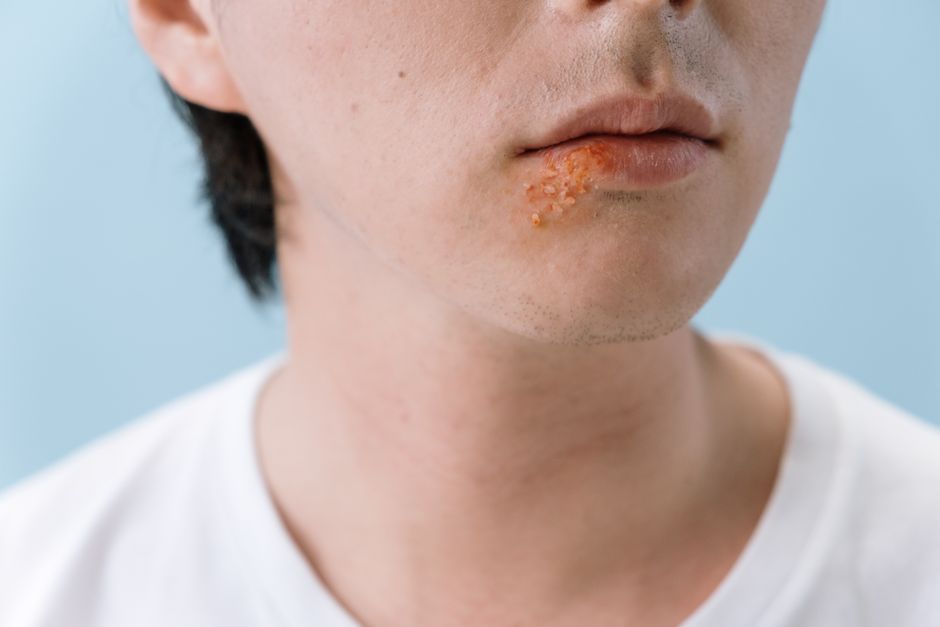
A staph infection usually starts as a red, swollen, painful bump that looks like a pimple or boil. The skin around it is often warm to the touch, and the center may fill with pus. Many people mistake early staph infections for insect bites or acne, which is why they often go untreated at first.
_Staphylococcus aureus_ is a bacterium that lives on the skin and in the noses of about 30% of people without causing any harm. Problems start when it gets past the skin barrier through a cut, scrape, or hair follicle. What happens next depends on where the infection takes hold and how deep it goes.
What Does a Staph Infection Look Like at First?
The earliest sign is typically a small red bump that grows over a day or two. It becomes tender, then painful. The skin over it tightens and may look shiny. A white or yellow center often appears as pus collects.
This is what doctors call a furuncle, or boil. It starts in a hair follicle. The bump can range from the size of a pea to the size of a golf ball. Some people notice a red streak spreading from the area, which can signal the infection is moving into deeper tissue or lymph channels.
Cellulitis is a different pattern. Instead of a distinct bump, the skin becomes red, swollen, and warm over a wider area. The redness may spread and feel tight. The border is usually not sharp. This happens when the infection spreads through the deeper layers of skin rather than staying in one follicle.
Impetigo is more common in children. It starts as small blisters that rupture and leave honey-colored crusts, often around the nose and mouth. It is contagious and spreads easily through direct contact.
One detail people often miss: a staph infection can look mild at the surface while causing more trouble underneath. A small boil on the leg can be the visible tip of a deeper infection. That is why a bump that keeps growing or becomes very painful needs medical attention.
How Can You Tell a Staph Infection From a Spider Bite or Pimple?
It is genuinely hard to tell them apart in the first day or two. A spider bite, a pimple, and an early staph infection can all look like a red bump with a tender center. The differences usually show up over time.
A common pimple tends to stay small and either resolves or comes to a head within a few days. It rarely becomes intensely painful or spreads. A spider bite often has a central puncture mark and may itch more than it hurts. It can also cause a red ring around the bite.
A staph infection tends to get worse, not better. The pain increases. The redness expands. The bump may grow larger than a pimple normally would. Fever or chills can develop if the infection is spreading.
Some clinicians use a simple rule: if a skin bump is getting worse after 48 hours, is very painful, or is accompanied by fever, it should be evaluated. This is not a diagnosis you can reliably make at home by looking. When in doubt, have a doctor look at it.
There is one myth worth clearing up. Many people believe a “spider bite” that turns into a boil is actually a spider bite. In practice, a large number of these turn out to be staph infections. Studies have found that many presumed spider bites are actually community-associated MRSA skin infections. Unless you saw the spider bite you, a staph infection is a more likely explanation for a boil that appears out of nowhere.
What Are the Warning Signs That a Staph Infection Is Getting Serious?
Most staph skin infections stay local and heal with proper care. Some spread and become dangerous. Knowing the difference matters.
Seek medical care promptly if you notice:
- Redness that is spreading rapidly or expanding beyond a few centimeters
- Severe or worsening pain
- Fever, chills, or feeling generally unwell
- A red streak running from the infected area toward the heart
- Skin that looks tight, shiny, or is changing color
- Drainage of pus that is increasing or has a foul smell
- A bump that is not improving after a few days
Invasive staph infections can enter the bloodstream and cause serious illness. This is uncommon but possible. Symptoms include high fever, rapid heart rate, low blood pressure, and confusion. These are emergencies.
Some people are at higher risk. This includes people with weakened immune systems, diabetes, or kidney disease. It also includes people who inject drugs, have recent surgery, or use medical devices like catheters or dialysis lines. Athletes in contact sports and people living in crowded settings also face higher risk because staph spreads easily through skin contact and shared items.




How Is a Staph Infection Treated?
Treatment depends on how deep the infection is and whether it is spreading. A small, uncomplicated boil may drain on its own. Warm compresses can help it come to a head. But it should not be squeezed.
Squeezing a staph infection can push bacteria deeper into the skin and into the bloodstream. This is one of the most common mistakes people make. It can turn a minor infection into a serious one.
For larger boils or cellulitis, a doctor may need to drain the pus or prescribe antibiotics. Not all staph infections need antibiotics. Some small ones resolve after drainage alone. Whether antibiotics are needed depends on the size, location, and whether the infection is spreading.
Antibiotic choice matters because some staph bacteria are resistant to common antibiotics. MRSA stands for methicillin-resistant Staphylococcus aureus. It is resistant to several antibiotics, which limits treatment options. This is why doctors sometimes culture the bacteria to see what will work.
Do not use leftover antibiotics from a previous illness. Do not stop antibiotics early even if you feel better. Both practices increase the risk of resistance and recurrence.
Some clinicians recommend topical antibiotics for minor infections. The evidence for their effectiveness is mixed for deeper infections, and they are not a substitute for oral antibiotics when those are needed. Over-the-counter antibiotic ointments may help with very superficial infections but should not be relied on for anything beyond that.
How Do You Prevent Staph Infections From Spreading?
Staph spreads through direct skin contact and through shared items. Good hygiene is the most reliable prevention.
- Wash hands with soap and water, especially before touching wounds
- Keep cuts and scrapes clean and covered with a bandage
- Do not share towels, razors, or athletic equipment
- Shower after exercise or contact sports
- Wash bedding and clothing regularly if someone in the home has an active infection
- Clean and cover any open wound until it heals
If someone in your household has a staph infection, they should avoid sharing personal items until the infection is treated and healing. This includes towels, sheets, and clothing that touches the infected area.
For people who get recurrent staph infections, doctors sometimes recommend decolonization. This involves using an antibacterial wash and an antibiotic nasal ointment for a set period. The evidence supports this approach for reducing recurrence in some patients, though it does not work for everyone and should be done under medical guidance.
There is no vaccine for staph infections. Prevention relies on hygiene and prompt care of wounds.
When Should You See a Doctor?
See a doctor if a skin infection is not improving after a few days, is spreading, or is causing significant pain. Also seek care if you have a fever or feel unwell.
Some people should seek care sooner. If you have a weakened immune system, diabetes, or a history of MRSA, do not wait. If the infection is near your eye, on your face, or over a joint, get it checked. These areas carry higher risk.
If you are unsure whether a bump is a staph infection, a pimple, or something else, it is reasonable to have it looked at. A doctor can often tell by examining the skin. In some cases, they may send a sample for testing.
The key point: early staph infections often look minor. They can become serious quickly. Pay attention to how a bump changes over 24 to 48 hours. If it is getting worse, that is your signal to get help.
Frequently Asked Questions
What does a staph infection look like when it first starts?
It usually begins as a red, tender bump that looks like a pimple or boil, often with a pus-filled center. The skin around it may be warm and swollen.
Can a staph infection go away on its own?
Small, superficial staph infections can sometimes resolve without antibiotics, especially if they drain. However, any infection that is spreading, painful, or accompanied by fever needs medical evaluation.
How do I know if it is staph or just a pimple?
A pimple typically stays small and resolves within a few days, while a staph infection tends to grow, become more painful, and may spread. If a bump is getting worse after 48 hours, see a doctor.
Is staph infection contagious?
Yes, staph spreads through direct skin contact and shared items like towels or razors. Keeping wounds covered and washing hands can reduce transmission.
