
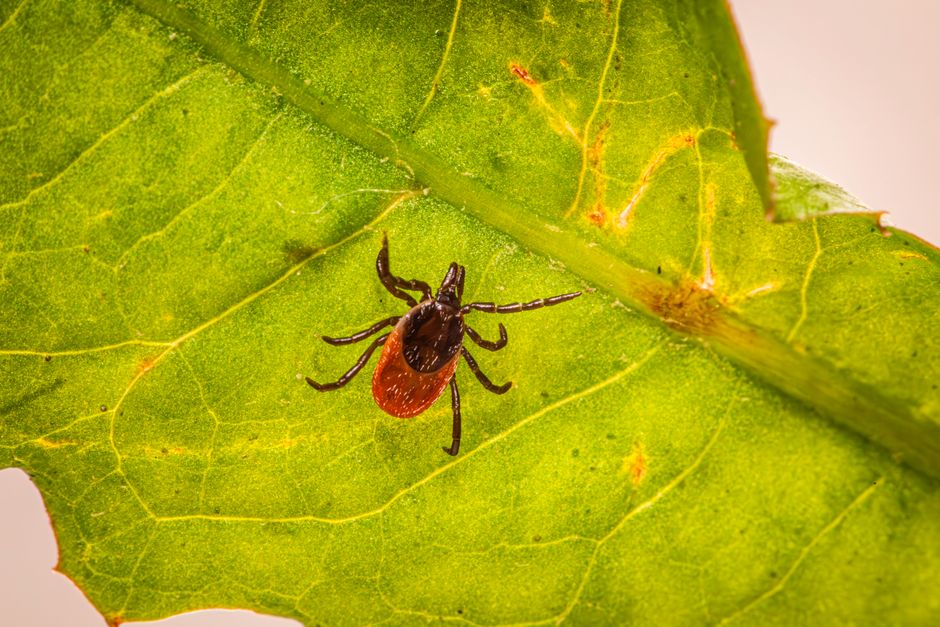
Parasitic infections are more common than most people realize, and the symptoms can be confusing because they often mimic other conditions. The honest answer is that a parasite can feel like many different things, depending on the type of organism, where it lives in your body, and how long you have been infected. Some people experience digestive distress, others notice fatigue or skin issues, and many people have no symptoms at all.
What Does A Parasite Feel Like Symptoms Explained
The experience of a parasitic infection varies widely by species. Intestinal parasites like giardia, cryptosporidium, and various worms typically cause gastrointestinal symptoms. These can include diarrhea, abdominal cramping, bloating, gas, and nausea. Some people describe a gnawing or aching pain in the gut that comes and goes.
Other parasites live outside the digestive tract. Malaria parasites infect red blood cells and cause cycles of fever, chills, and sweating. Toxoplasma can infect brain tissue and cause headaches, confusion, or flu-like symptoms. Trichomonas is a sexually transmitted parasite that causes vaginal itching, discharge, and discomfort during urination.
The most important thing to understand is that there is no single “parasite feeling.” The symptoms depend entirely on the organism and the body system involved.
What Are the Most Common Signs of an Intestinal Parasite?
Intestinal parasites are the most common type, and their symptoms often center on the digestive system. Diarrhea is the hallmark symptom for many species, particularly giardia and cryptosporidium. The diarrhea can be watery, foul-smelling, and persistent, sometimes lasting for weeks.
Other common symptoms include:
- Abdominal pain or cramping, often centered around the belly button
- Bloating and excessive gas
- Nausea and loss of appetite
- Unexplained weight loss
- Fatigue that does not improve with rest
Some parasitic worms are visible in stool. Pinworms cause intense anal itching, especially at night when the female worms lay eggs. Tapeworm segments can appear as small white pieces in stool or on underwear. Roundworms can sometimes be coughed up or passed in stool.
Not everyone with an intestinal parasite develops symptoms. Some people carry parasites for months or years without noticing. This is why routine screening matters for people with risk factors like international travel or exposure to contaminated water.
How Long After Exposure Do Parasite Symptoms Appear?
The incubation period varies by organism. Giardia symptoms typically appear 1 to 2 weeks after exposure, though some people develop symptoms within days. Cryptosporidium has a shorter incubation period of about 2 to 10 days.
Malaria symptoms appear 10 days to 4 weeks after the bite of an infected mosquito, but some species can remain dormant for months. Toxoplasmosis symptoms appear 5 to 20 days after exposure to the parasite, which is often found in cat feces or undercooked meat.
Pinworms have a quick turnaround. Eggs are swallowed, hatch in the intestines, and mature into adults within 2 to 6 weeks. The itching begins when the adult female migrates to the anal area to lay eggs.
Some parasites, like tapeworms, can take months to produce noticeable symptoms. The worm grows slowly in the intestine, and symptoms may not appear until the infection is well established.



What Are the Less Common but Serious Parasite Symptoms?
Some parasitic infections cause symptoms far beyond the digestive tract. These are less common but more serious, and they require prompt medical attention.
Malaria causes cycles of high fever, shaking chills, and sweats that repeat every 48 to 72 hours depending on the species. It can also cause headache, muscle pain, and confusion. Severe malaria is a medical emergency that can lead to organ failure and death if untreated.
Neurocysticercosis occurs when pork tapeworm larvae form cysts in the brain. This can cause seizures, severe headaches, vision problems, and confusion. It is a leading cause of adult-onset epilepsy in parts of the world where the parasite is common.
Chagas disease, caused by the kissing bug parasite, can damage the heart and digestive system years after the initial infection. Early symptoms are mild and flu-like, which is why many people do not realize they are infected.
Trichinosis, from eating undercooked pork or wild game, causes muscle pain, swelling around the eyes, and fever. The parasite larvae migrate from the intestines into muscle tissue, where they can cause inflammation and pain.
How Do Doctors Diagnose a Parasitic Infection?
Diagnosis starts with a careful history. Your doctor will ask about travel, food and water exposure, contact with animals, and sexual history. These details narrow down the list of possible parasites significantly.
Stool testing is the most common diagnostic tool for intestinal parasites. A single stool sample can miss parasites, so doctors often request 2 or 3 samples collected on different days. Some labs offer PCR testing, which detects parasite DNA and is more sensitive than traditional microscopic examination.
Blood tests are used for parasites that live outside the intestines. Malaria is diagnosed with a blood smear examined under a microscope. Toxoplasmosis and Chagas disease are diagnosed with antibody blood tests. Eosinophilia, an elevated count of a specific white blood cell type, can suggest a parasitic infection but is not specific to any one organism.
Imaging studies are reserved for suspected tissue or organ involvement. CT scans and MRIs can detect cysts in the brain, liver, or other organs. Ultrasound can reveal liver or spleen involvement in some infections.
What Treatments Are Available for Parasitic Infections?
Treatment depends entirely on the specific parasite. Antiparasitic medications are highly effective for most common infections when the correct drug is used.
Giardia and cryptosporidium are treated with antiparasitic drugs like nitazoxanide or metronidazole. Pinworms are treated with a single dose of albendazole or mebendazole, usually repeated after 2 weeks to kill newly hatched worms. Tapeworms respond to praziquantel or niclosamide.
Malaria requires prescription antimalarial drugs, and the specific medication depends on the parasite species and whether it is resistant to common drugs. Severe malaria requires hospital treatment with intravenous medication.
Some parasitic infections require more than one drug. Toxoplasmosis is treated with a combination of pyrimethamine and sulfadiazine, plus folinic acid to protect against side effects. Chagas disease is treated with benznidazole or nifurtimox, both of which require monitoring for side effects.
No over-the-counter product can cure a parasitic infection. If you suspect you have a parasite, see a doctor for proper testing and a prescription treatment.
How Can You Reduce Your Risk of Parasitic Infection?
Prevention focuses on avoiding exposure. The most effective measures are simple and well established.
Wash your hands thoroughly with soap and water after using the bathroom, changing diapers, handling animals, and before preparing food. This single habit prevents the most common route of transmission, which is fecal-oral spread.
Drink safe water. When traveling to areas with untreated water supplies, drink bottled or boiled water. Avoid ice made from tap water and raw vegetables washed in local water.
Cook meat to safe internal temperatures. Pork should reach 145°F (63°C) with a 3-minute rest, and ground meat should reach 160°F (71°C). Wild game requires higher temperatures to kill trichinella larvae.
Wash and peel fresh produce. Soil can contain parasite eggs and cysts, so scrub vegetables thoroughly and peel fruits when possible.
Protect against insect bites in endemic areas. Use insect repellent containing DEET, sleep under insecticide-treated bed nets, and wear long sleeves and pants in areas with malaria or Chagas disease.
Frequently Asked Questions
Can you have a parasite without knowing it?
Yes, many parasitic infections cause no symptoms at all. Some people carry parasites for years without ever realizing they are infected, which is why routine screening is recommended after travel to high-risk areas.
What does parasite belly pain feel like?
Parasite-related abdominal pain is often described as cramping or aching that comes and goes. It may be centered around the belly button and often accompanies bloating, gas, or diarrhea.
How can I check myself for parasites at home?
You cannot reliably check yourself for parasites at home. Visual inspection of stool can sometimes reveal worms, but most parasites are microscopic and require laboratory testing for accurate diagnosis.
How long does it take for antiparasitic medication to work?
Most antiparasitic medications begin working within 24 to 48 hours. Symptoms usually improve within a few days, though some parasites require a second dose or a longer treatment course to fully clear the infection.
