
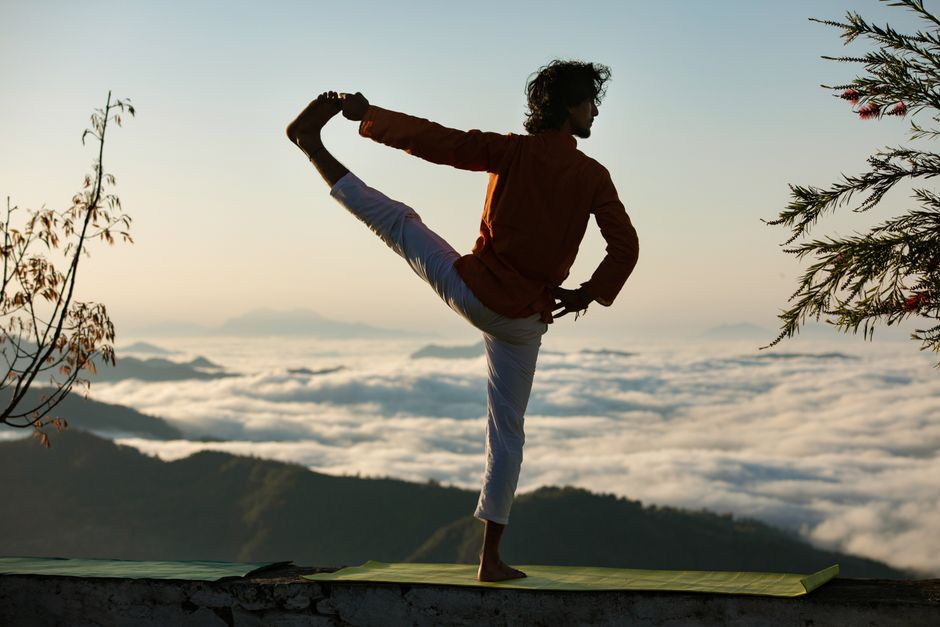
A natural high is a real change in how you feel, produced by your own body’s chemistry rather than a drug. It comes from the release of chemicals your nervous system already makes, like endorphins, dopamine, and endocannabinoids. You get one through things like vigorous exercise, deep social connection, music, cold exposure, and time in nature — though the strength and reliability of each varies a lot from person to person.
The phrase gets used loosely, and that looseness matters. Some of these experiences are well documented in research. Others are mostly anecdote dressed up as science. This article separates the two.
What Actually Happens In Your Body During A Natural High?
Your brain has its own reward and pain-relief systems, and certain behaviors switch them on. The main players are endorphins, dopamine, endocannabinoids, and the neurotransmitters involved in social bonding, such as oxytocin.
Endorphins are opioid-like molecules your body produces. They bind to the same receptors that opioid drugs target, which is why they reduce pain perception. This is well established. The runner’s high, for instance, was long assumed to be an endorphin effect, but research has since shown that endocannabinoids — the body’s own versions of the compounds found in cannabis — appear to play a significant role too. Both systems are involved.
Dopamine is often called the “pleasure chemical,” which is a simplification. It is more accurately tied to motivation, anticipation, and reward learning. The pleasure you feel often comes from the anticipation and the pursuit, not just the payoff.
These are real physiological events. They are also modest compared with what drugs do. A natural high is your body turning up the volume on systems that already run quietly in the background. It is not a pharmacological flood.
Does Exercise Really Produce A Runner’s High?
Yes, though not everyone gets one, and the effect is smaller than the nickname suggests. Studies measuring endocannabinoids after sustained aerobic activity have found real increases, and people report reduced anxiety and elevated mood afterward. But the experience is inconsistent — some regular runners report never feeling a distinct “high.”
The intensity matters. Light walking generally does not trigger it. Sustained moderate-to-vigorous activity, roughly 30 minutes or more for many people, is where the effect tends to show up. The exact threshold varies by fitness level and individual biology, and no universal cutoff exists.
One clarification worth making: the mood boost after exercise is real and fairly reliable, but it is usually gentler than the word “high” implies. If you are expecting euphoria and get a calm sense of satisfaction instead, that is a normal outcome, not a failure.
Which Activities Are Most Likely To Give You A Natural High?
The activities with the strongest evidence behind them involve either physical exertion, social connection, or both. Here is an honest breakdown of what research supports and how reliable each tends to be.
- Vigorous exercise — the best-documented route. Sustained aerobic activity reliably raises endocannabinoids and improves mood in most people, though the “high” feeling varies.
- Social connection — strong evidence links positive social interaction to dopamine and oxytocin release. Laughter, shared meals, and genuine conversation all engage these systems.
- Music — listening to music you love, especially music that gives you “chills,” activates reward circuitry. Brain imaging studies have shown dopamine release during emotionally intense musical moments.
- Time in nature — some studies report mood improvements from time spent outdoors, but the mechanism is debated and the effect sizes are modest. The evidence here is real but weaker than for exercise.
- Cold exposure — cold water immersion raises norepinephrine and dopamine in controlled studies. The mood effect is reported anecdotally more than it is proven in large trials.
- Deep breathing and meditation — evidence for mood benefit exists, but calling it a “high” overstates what most people experience.
Notice what is missing from that list: most supplement marketing. Products claiming to “trigger a natural high” through a pill have little to no clinical evidence behind them.




Is A Natural High The Same As A Drug High?
No. They share some brain pathways but differ in magnitude, risk, and how they resolve. A drug high typically involves a much larger, faster surge of neurotransmitters — sometimes far beyond what the brain would produce on its own. That is part of why drugs carry addiction risk and natural behaviors generally do not in the same way.
There is a non-obvious point here worth stating plainly. The fact that exercise and drugs both involve dopamine does not make them equivalent. Dose, speed of onset, and duration all shape the experience and the risk. A trickle and a flood use the same pipe.
Natural highs also tend to fade gradually and leave you roughly where you started. Drug highs can be followed by a crash as neurotransmitter levels rebound. That difference in aftermath is one of the clearest distinctions between the two.
Can A Natural High Help With Mood Or Mental Health?
Regular physical activity has solid evidence for improving mood and reducing symptoms of mild to moderate depression. This is not the same as saying a single workout treats depression, and it is not a substitute for professional care. The evidence supports exercise as part of a broader approach, not as a standalone cure.
Social connection has similarly strong observational evidence linking it to better mental health. What research cannot easily separate is cause from effect — people who are already doing well may simply be more active and social. Some trials support the benefit, but the picture is not fully settled.
For anything beyond mild symptoms, a natural high is a complement to treatment, not a replacement. If you are experiencing persistent low mood, anxiety, or thoughts of self-harm, that warrants professional support. Natural highs are not a treatment for serious mental health conditions, and presenting them as one would be misleading.
How Do You Get One Reliably?
There is no guaranteed formula, because individual response varies widely. What the evidence supports is stacking the activities most likely to engage your reward systems, and giving them enough time and intensity to matter.
Start with sustained movement. Pick something aerobic enough to raise your heart rate and keep it there for a while. Pair it with social contact when you can — exercising with others tends to combine two reliable triggers at once.
Add music you genuinely love, ideally loud enough and immersive enough to give you chills. That physical response is a sign your reward circuitry is engaged.
Spend time outdoors when practical. The mood benefit is modest but real, and it stacks with movement if you exercise outside.
What does not work reliably: chasing the feeling directly. People who pursue a natural high as a goal often notice it less than people who are absorbed in the activity itself. The high tends to arrive as a side effect of full engagement, not as a target you hit.
What Should You Be Skeptical About?
Be skeptical of anything sold as a shortcut. Powders, pills, and devices marketed as natural high inducers rarely have clinical trials behind them. The word “natural” is not regulated in supplement marketing and does not mean effective or safe.
Be skeptical of precise claims. Statements like “exercise releases exactly this much endorphin” or “cold plunges boost dopamine by a specific percentage” often trace back to single small studies that have not been replicated. The general direction is real. The exact numbers usually are not solid enough to repeat.
Be skeptical of the idea that natural highs are risk-free. Cold water immersion carries real risks, including cold shock and, in people with heart conditions, cardiac stress. Vigorous exercise carries risk for people with certain medical conditions. Talk to a clinician before starting intense cold exposure or a new strenuous routine, especially if you have heart or vascular disease.
The honest summary: natural highs are real, they are modest, and the best-supported ways to get them are unglamorous — movement, connection, music, and time outside. That is less exciting than the marketing suggests, and more reliable than most of what is sold.
Frequently Asked Questions
What does a natural high mean?
A natural high is a mood-elevating experience caused by chemicals your own body releases, such as endorphins, dopamine, and endocannabinoids. It is triggered by behaviors like exercise, social connection, or music rather than by a drug.
How long does a natural high last?
It varies widely by activity and person, but most natural highs are short-lived, often fading within minutes to a couple of hours after the activity ends. Exercise-related mood boosts tend to be brief, while general mood improvements from regular activity build over weeks.
Can you get a natural high without exercise?
Yes. Music, strong social connection, laughter, and time in nature can all engage your brain’s reward systems without physical exertion. The effects are generally gentler than exercise-induced highs, and the evidence is stronger for some of these than others.
Are natural highs safe?
Most everyday routes to a natural high carry low risk, but not zero. Cold water immersion and intense exercise both carry real risks for people with heart conditions, so check with a clinician before starting either if you have cardiovascular disease.
