
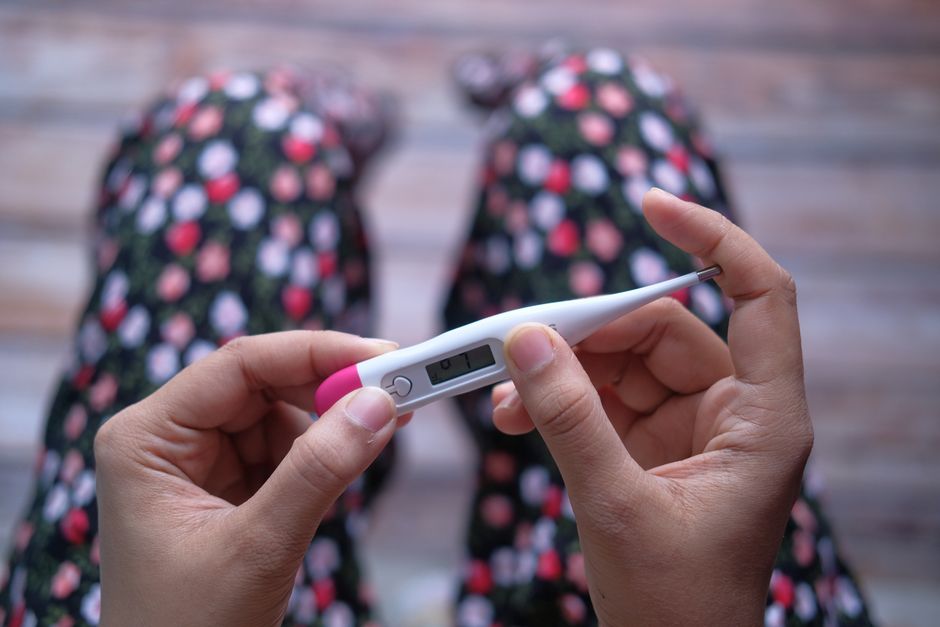
A low grade fever is a body temperature that runs slightly above normal but below the threshold of a significant fever. For most adults, this means a temperature between 99.6°F (37.5°C) and 100.3°F (38.0°C) when measured orally. It is the body’s natural response to an infection or inflammation, signaling that the immune system is actively working. While it can be uncomfortable, a low grade fever is rarely dangerous on its own and often resolves without specific medical treatment.
What Temperature Counts as a Low Grade Fever?
Normal body temperature is not a single number. It fluctuates throughout the day, typically sitting around 98.6°F (37.0°C) but ranging from 97°F (36.1°C) to 99°F (37.2°C) for healthy adults. It tends to be lower in the morning and higher in the late afternoon or evening.
A low grade fever is generally defined as a temperature of 100.4°F (38.0°C) or less. Temperatures above that mark are considered a true fever. In children, the threshold for concern can be different, and the measurement method matters. Rectal temperatures in infants are the most accurate, while ear, forehead, and armpit readings can vary.
Common Causes of a Low Grade Fever
The most frequent cause is a minor viral infection, such as the common cold or a mild flu. The immune system raises body temperature to create an environment less hospitable to pathogens. As the infection clears, the fever typically subsides within a few days.
Other common causes include:
- Bacterial infections like a urinary tract infection or strep throat
- Vaccinations, which intentionally trigger an immune response
- Teething in infants, though the temperature rise is usually slight
- Autoimmune conditions like rheumatoid arthritis or lupus
- Hormonal changes, including those during the menstrual cycle or early pregnancy
- Heat exhaustion from prolonged exposure to high temperatures
- Certain medications, including some antibiotics and blood pressure drugs
Some research suggests that stress and intense exercise can also cause a temporary rise in body temperature. These cases are generally brief and return to normal once the trigger passes.
When a Low Grade Fever Signals Something More
Most low grade fevers are harmless and short-lived. However, there are situations where a persistent low grade fever warrants attention. A fever that lasts longer than three weeks without an obvious cause is called a fever of unknown origin. This requires a medical evaluation to rule out underlying conditions.
Chronic low grade fevers can sometimes be linked to more serious issues. These include tuberculosis, inflammatory bowel disease, some cancers, or chronic infections like HIV or hepatitis. It is important not to assume the worst, but persistent fever without an infection should not be ignored.
If a low grade fever is accompanied by severe headache, stiff neck, chest pain, difficulty breathing, confusion, or a rash that does not fade under pressure, seek medical care immediately. These symptoms can indicate a more serious condition that requires urgent treatment.





How to Treat a Low Grade Fever at Home
In most healthy adults, a low grade fever does not require medication. Rest and fluids are the primary treatment. The body needs energy to fight off infection, and adequate hydration helps regulate temperature and prevent dehydration.
If the fever causes significant discomfort, over-the-counter medications like acetaminophen or ibuprofen can help. These do not treat the underlying cause but can reduce fever and relieve body aches. Always follow the dosing instructions on the label and do not combine medications unless a doctor advises it.
For children, treatment depends on age and comfort level. The American Academy of Pediatrics recommends focusing on the child’s overall condition rather than the number on the thermometer. A child who is playing, eating, and drinking normally does not need fever-reducing medication. For infants under three months with a temperature of 100.4°F (38.0°C) or higher, contact a pediatrician right away.
Home Care Tips That Actually Work
Simple measures can make a low grade fever more bearable. Light clothing and a cool room help the body release heat naturally. Avoid heavy blankets, which can trap heat and raise temperature further.
Drinking water, clear broths, or electrolyte solutions replaces fluids lost through sweating. For older children and adults, oral rehydration solutions are not necessary unless there is significant fluid loss from vomiting or diarrhea.
Lukewarm sponging can provide comfort, but cold water or alcohol rubs are not recommended. These can cause shivering, which actually raises body temperature. If a fever is making someone miserable, medication is a better first choice.
When to See a Doctor for a Low Grade Fever
Most low grade fevers resolve on their own within a few days. Medical attention is warranted in specific situations. For adults, see a doctor if the fever lasts more than three days, keeps coming back, or is accompanied by severe symptoms.
For children, the guidance is more specific. Seek medical care if a fever lasts more than three days in a child of any age. For infants under three months, any temperature of 100.4°F (38.0°C) or higher requires immediate medical evaluation. For children aged three months to three years, a fever of 102.2°F (39.0°C) or higher should prompt a call to the pediatrician.
People with weakened immune systems, chronic illnesses, or those undergoing chemotherapy should contact their doctor at the first sign of fever. Their bodies may not mount a typical fever response, and even a low grade temperature can signal a serious infection.
What Does a Low Grade Fever Mean for COVID-19 and Other Viruses?
Low grade fever is a common symptom of many respiratory viruses, including COVID-19, influenza, and RSV. It is often one of the first signs that the immune system is responding to the virus. In COVID-19 specifically, fever can be low grade or absent entirely, so the absence of fever does not rule out infection.
If you have a low grade fever and other symptoms like cough, sore throat, or fatigue, testing for respiratory viruses may be helpful. This is especially true if you have been exposed to someone with a confirmed infection. Isolation guidelines vary by region and over time, so check current local health recommendations.
It is worth noting that fever-reducing medications like acetaminophen and ibuprofen are safe to use during viral infections. They do not interfere with the immune response in a harmful way and are appropriate for symptom relief.
Frequently Asked Questions
Is a low grade fever of 99.5°F something to worry about?
Usually not. A temperature of 99.5°F (37.5°C) is at the upper edge of normal and often reflects normal daily fluctuation or mild illness. Monitor for other symptoms and seek care if the fever persists beyond a few days.
How long can a low grade fever last?
A low grade fever from a viral infection typically lasts two to three days. Fevers lasting longer than three weeks without a clear cause require medical evaluation.
Should I take medicine for a low grade fever?
Only if you are uncomfortable. Rest and fluids are sufficient for most people. Acetaminophen or ibuprofen can relieve discomfort but are not necessary to treat the fever itself.
Can stress cause a low grade fever?
Yes, some research indicates that psychological stress can temporarily raise body temperature. This is usually brief and returns to normal once stress levels drop.
A low grade fever is your body signaling that something is being addressed. In most cases, that something is a minor infection that will pass. Pay attention to how you feel overall, stay hydrated, and rest. If the fever lingers or severe symptoms appear, a doctor can help determine whether further investigation is needed.
