
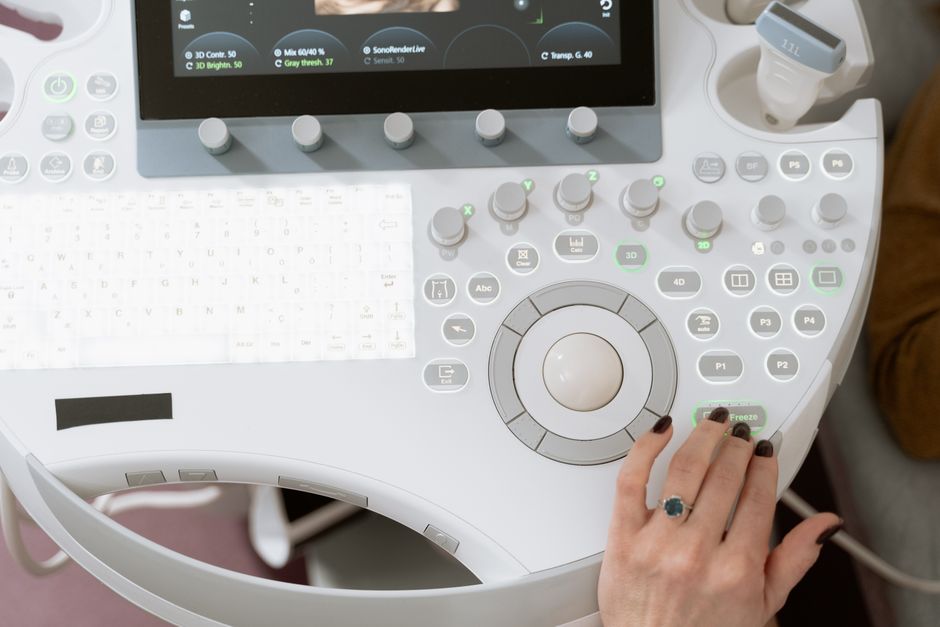
A liver ultrasound uses sound waves to create pictures of your liver, and it can show its size, shape, texture, and blood flow. It can also reveal gallstones, fluid buildup, fatty liver, and tumors. It is painless, takes about 15 to 30 minutes, and uses no radiation. Doctors often order it as a first test when blood work or symptoms point to a liver problem.
What Does a Liver Ultrasound Scan Show?
An ultrasound shows the liver’s structure, not its full function. It gives your doctor a picture of how the organ looks, which is different from what a blood test measures.
Here is what the scan can typically reveal:
- Size and shape. A normal adult liver is about 15 centimeters (roughly 6 inches) across at its widest point. An enlarged or shrunken liver can point to specific conditions.
- Texture. Healthy liver tissue looks smooth and even. A coarse or bright pattern can suggest fat buildup or scarring.
- Focal lesions. These are distinct spots in the liver, such as cysts or tumors. Ultrasound can find them but usually cannot say for certain what they are.
- Fluid around the liver. Called ascites, this fluid can signal advanced liver disease.
- Blood flow. A Doppler ultrasound shows how blood moves through the liver’s vessels.
- The gallbladder and bile ducts. These sit next to the liver. Gallstones often turn up during a liver scan.
What ultrasound cannot do is measure how well your liver is working. A liver can look normal on a scan while blood tests show poor function. The reverse happens too. This is why doctors use imaging and blood work together.
Why Would a Doctor Order a Liver Ultrasound?
Doctors order this scan for several common reasons. It is often the first imaging test because it is quick, safe, and widely available.
Your doctor might request one if you have:
- Abnormal liver blood tests, such as high liver enzymes
- Right-sided belly pain or unexplained swelling
- Yellowing of the skin or eyes (jaundice)
- A history of heavy alcohol use or viral hepatitis
- Signs of fatty liver disease, which is common in people with obesity or type 2 diabetes
- Known liver disease that needs monitoring over time
It is also used to guide procedures. If a doctor needs to take a tissue sample from the liver, ultrasound helps them place the needle accurately.
What Is Fatty Liver and Can Ultrasound Detect It?
Fatty liver means fat has built up in liver cells. It is one of the most common liver conditions in the United States, largely tied to obesity and metabolic problems.
Ultrasound can detect moderate to severe fat buildup. The fat makes the liver look brighter, or more echogenic, than normal on the image. This is a well-established finding.
The limits matter here. Ultrasound is not good at catching mild fatty liver. It also cannot tell how much fat is present or whether inflammation and scarring have started. For those details, doctors turn to other tests, such as MRI or a specialized scan that measures liver stiffness.
An important point: fatty liver often causes no symptoms and normal-feeling health. Many people learn they have it only after a routine scan or blood test. Weight loss, when relevant, is the most supported way to reduce liver fat, though how much and how fast varies by person.




Can a Liver Ultrasound Detect Cancer or Tumors?
Ultrasound can find tumors in the liver, but it cannot confirm whether a growth is cancer. That distinction is important.
When a lesion shows up, doctors look at its features. A simple fluid-filled cyst looks different from a solid mass. Still, many solid spots look similar on ultrasound, whether they are benign or malignant. Follow-up imaging, usually a CT or MRI scan, is often needed to get a clearer answer. Sometimes a biopsy is required.
Ultrasound is used as a screening tool for liver cancer in some people at high risk, such as those with cirrhosis. It is often combined with a blood test for a protein called alpha-fetoprotein. Screening programs vary, and your doctor will decide what fits your situation.
How Does Ultrasound Compare to Other Liver Tests?
Each liver test answers a different question. No single test does everything.
| Test | What It Shows | Main Limitation |
|---|---|---|
| Ultrasound | Structure, size, texture, fluid, blood flow | Cannot measure function or confirm a tumor’s type |
| Blood tests | Liver enzymes and function markers | Cannot show the liver’s physical structure |
| CT scan | Detailed cross-section images | Uses radiation |
| MRI | Detailed images, including fat and iron content | Costlier and takes longer |
| Biopsy | A tissue sample examined under a microscope | Invasive, with small but real risks |
Ultrasound is usually the starting point because it is safe, fast, and does not expose you to radiation. If it leaves questions unanswered, the other tests step in.
What Should You Expect During the Scan?
A liver ultrasound is one of the easier medical tests to go through. There is no radiation and no recovery time.
You will usually lie on your back on an exam table. A technician applies a clear gel to your belly, then moves a small handheld device called a transducer across your skin. The device sends out sound waves and picks up the echoes. A computer turns those echoes into images on a screen.
You may be asked to hold your breath for a few seconds at a time. This helps steady the liver so the pictures come out clear. The whole thing usually takes 15 to 30 minutes. You can go back to your normal day right after.
For the clearest images, you may be told not to eat for several hours before the scan. Food in your stomach can block the view of the liver and gallbladder. Follow whatever instructions your clinic gives you.
Are There Any Risks or Limits?
Ultrasound has no known serious risks when used for imaging. It does not use X-rays or radiation. The sound waves are not harmful at the levels used for diagnosis.
The real limits are about accuracy, not safety:
- Results depend on the skill of the technician and the quality of the machine.
- Body size can affect image quality. More tissue between the probe and the liver can blur the picture.
- Ultrasound cannot see behind bone or air, so some parts of the liver may be hard to view.
- It cannot tell how well the liver is working or confirm the exact nature of a growth.
Because of these limits, a normal ultrasound does not always rule out liver disease. If your symptoms or blood tests stay abnormal, your doctor may order more tests even after a clean scan.
What Happens After Your Scan?
A radiologist reviews the images and writes a report. Your doctor then goes over the results with you.
The report usually describes the liver’s size, texture, and any findings, plus the gallbladder and bile ducts. It may list something like “mild increased echogenicity,” which is a common way of describing fat in the liver.
What comes next depends on what the scan shows. A normal result may mean no further action. An abnormal one may lead to more imaging, blood tests, or a referral to a liver specialist. Sometimes a finding is minor and simply gets watched over time.
One thing worth knowing: an ultrasound finding is a clue, not a diagnosis on its own. Your doctor pieces it together with your symptoms, history, and lab results to reach conclusions.
Frequently Asked Questions
Does a liver ultrasound show liver function?
No, an ultrasound shows the liver’s structure, not how well it works. Function is measured with blood tests, so the two are used together.
Can a liver ultrasound detect fatty liver disease?
It can detect moderate to severe fat buildup, but it often misses mild cases. It also cannot show how much fat is present or whether scarring has begun.
How long does a liver ultrasound take?
A liver ultrasound usually takes about 15 to 30 minutes. You can return to your normal activities right afterward.
Is a liver ultrasound painful?
No, it is not painful. You may feel mild pressure from the probe moving across your belly, but there are no needles or incisions.
