
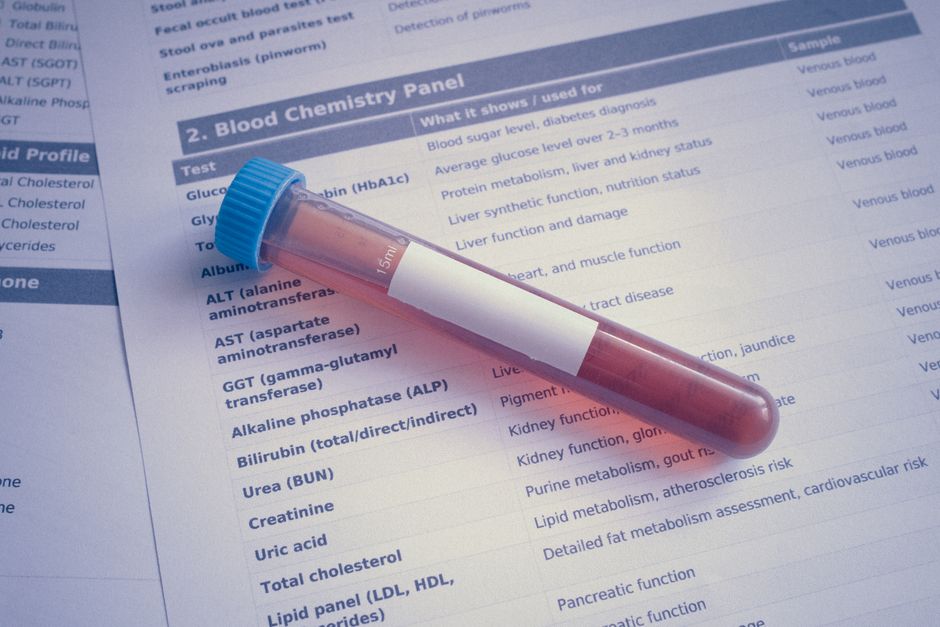
A lipid panel measures more than just cholesterol. It reports four main numbers: total cholesterol, LDL cholesterol, HDL cholesterol, and triglycerides. Together, these values help estimate your risk of heart disease and stroke, and they guide decisions about treatment.
The test is one of the most common blood tests in medicine. It is also one of the most misunderstood. Many people see a single “cholesterol” number on a lab report and assume that tells the whole story. It does not. Each value carries different meaning, and the pattern across all four often matters more than any one result on its own.
What Does A Lipid Panel Test For Cholesterol More?
A standard lipid panel measures four things, and each one tells your clinician something different about your cardiovascular risk.
- Total cholesterol — the sum of all cholesterol carried in your blood. It includes LDL, HDL, and a portion from triglycerides.
- LDL cholesterol — often called “bad” cholesterol. Higher levels are linked to plaque buildup in arteries.
- HDL cholesterol — often called “good” cholesterol. It helps carry cholesterol back to the liver for removal.
- Triglycerides — a type of fat in your blood. High levels are linked to heart disease and other health problems.
Some labs also calculate a value called non-HDL cholesterol. That is simply your total cholesterol minus your HDL. It captures all the cholesterol that can contribute to artery plaque, including LDL and remnants of triglyceride-rich particles. Many clinicians consider non-HDL cholesterol a useful number, sometimes more useful than LDL alone.
Cholesterol itself is not a poison. Your body needs it to build cell membranes and make hormones. The problem arises when too much of certain types circulates in the blood for too long.
Why Does the Panel Measure Triglycerides Too?
Triglycerides are the most common type of fat in your body. They come from the food you eat and are also made by your liver. When you eat more calories than you burn, your body converts the excess into triglycerides and stores them in fat cells.
A high triglyceride level is a red flag. It is associated with an increased risk of heart disease, and very high levels can also cause inflammation of the pancreas, a condition called pancreatitis. High triglycerides often travel with other problems: low HDL, high blood pressure, and elevated blood sugar. This cluster of findings is sometimes called metabolic syndrome.
Triglycerides are also the most variable number on the panel. They rise sharply after a meal, so the test is usually done after fasting. Even so, alcohol, recent illness, and some medications can push the number up or down. A single high reading is not always meaningful on its own.
What Do the Numbers Actually Mean?
There is no single cutoff that applies to everyone. Target levels depend on your overall risk, which includes age, blood pressure, smoking status, diabetes, and family history.
That said, general reference ranges give a useful starting point. These are the ranges most labs and clinical guidelines use for adults:
| Measurement | Desirable | Borderline High | High |
|---|---|---|---|
| Total cholesterol | Below 200 mg/dL | 200–239 mg/dL | 240 mg/dL and above |
| LDL cholesterol | Below 100 mg/dL | 100–129 mg/dL | 160 mg/dL and above |
| HDL cholesterol | 60 mg/dL and above | 40–59 mg/dL | Below 40 mg/dL |
| Triglycerides | Below 150 mg/dL | 150–199 mg/dL | 200 mg/dL and above |
For HDL, higher is generally better. For the other three, lower is generally better. But these ranges are guides, not verdicts. A person with diabetes may need a much lower LDL target than someone without it. Someone with no other risk factors might be fine with a number that would concern another person.
This is why your clinician looks at the whole picture. The panel is one input among several.





How Is the Lipid Panel Used in Practice?
The panel is not just a report card. It is a tool for estimating risk and tracking change over time.
Clinicians often plug the numbers into a risk calculator. These tools estimate your chance of having a heart attack or stroke over the next 10 years. The result helps decide whether lifestyle changes alone are enough or whether medication might help.
LDL cholesterol is usually the primary target when treatment is needed. That is because decades of research have shown that lowering LDL reduces cardiovascular events. The evidence for this is strong and consistent across many large trials.
Triglycerides and HDL are also considered, but the picture is more complicated. Raising HDL with medication has not reliably reduced heart attacks in clinical trials, which surprised researchers. This suggests HDL may be more of a marker of risk than a direct target for treatment. The evidence here is still evolving.
What Can Affect Your Results?
Many things beyond diet can shift your lipid numbers.
- Fasting vs. non-fasting. Triglycerides and LDL can read differently depending on whether you ate before the test.
- Medications. Some drugs raise cholesterol or triglycerides. Others lower them.
- Thyroid function. An underactive thyroid can raise LDL cholesterol.
- Weight and activity level. Both influence all four values.
- Genetics. Some people inherit high cholesterol regardless of lifestyle.
- Acute illness or stress. A recent infection or surgery can temporarily change results.
Because of this, a single abnormal result is rarely acted on alone. Most clinicians repeat the test or look at the trend over time before making decisions.
Does a Normal Lipid Panel Mean You Are Safe?
Not necessarily. A normal panel is reassuring, but it does not rule out cardiovascular risk.
About half of people who have heart attacks have LDL cholesterol within what is considered the normal range. That does not mean the test is useless. It means cholesterol is one factor among many.
Inflammation, blood pressure, smoking, diabetes, and family history all contribute to risk. Some people also have a condition called familial hypercholesterolemia, an inherited disorder that causes very high LDL from birth. It is underdiagnosed, and it can cause early heart disease if untreated.
Some research suggests that other markers, such as apolipoprotein B or lipoprotein(a), may add useful information beyond a standard panel. These tests are not routine for everyone, but they are sometimes ordered for people with a strong family history or unclear risk. The evidence supporting their widespread use is still developing.
What Happens If Your Results Are Abnormal?
An abnormal result is not a diagnosis. It is a signal to look closer.
Your clinician will consider your full risk profile before recommending anything. For some people, lifestyle changes are the first step. For others, medication may be appropriate right away. The choice depends on your overall risk, not just one number.
Lifestyle factors that can influence lipid levels include diet, physical activity, weight, and smoking. The effects vary from person to person. Some people see large changes; others see modest ones. Genetics sets a floor that lifestyle alone cannot always overcome.
If medication is recommended, statins are the most commonly prescribed class for lowering LDL. They have been studied extensively and have been shown to reduce cardiovascular events in many populations. Other classes of medication work in different ways and may be used when statins are not enough or not tolerated.
No treatment decision should be made from a lab report alone. The conversation with your clinician matters as much as the numbers.
Frequently Asked Questions
What are the 4 main things a lipid panel measures?
A standard lipid panel measures total cholesterol, LDL cholesterol, HDL cholesterol, and triglycerides. Some labs also report non-HDL cholesterol, which is total cholesterol minus HDL.
Do you need to fast for a lipid panel?
Not always. Many guidelines now allow non-fasting lipid testing for most people. Your clinician may still ask you to fast if your triglycerides are very high or if a previous result was unclear.
What is a good cholesterol level for adults?
For most adults, a total cholesterol below 200 mg/dL and an LDL below 100 mg/dL are considered desirable. HDL of 60 mg/dL or higher is generally seen as protective. Your personal target may differ based on your overall risk.
Can a lipid panel detect heart disease?
No. A lipid panel estimates risk; it does not detect existing heart disease. It shows patterns linked to cardiovascular risk, but other tests are needed to assess blockages or damage.
