
How Does a Hydrafacial Work?
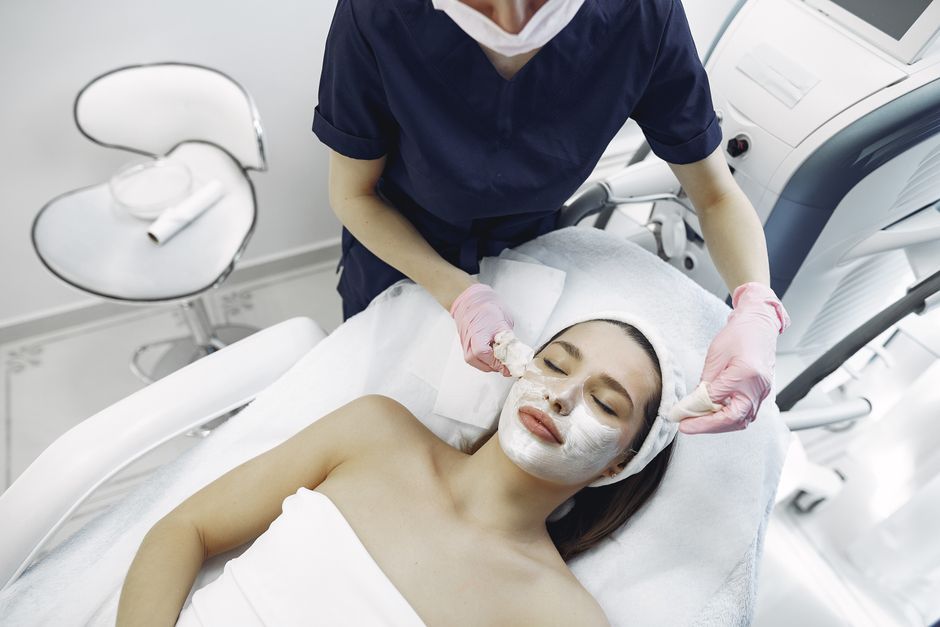
The Hydrafacial machine uses a technology called Vortex-Fusion. A handheld wand has a spiral tip that creates a gentle vacuum. As the wand moves across your skin, it sprays a solution to loosen dead cells and debris. Then the vacuum lifts that material away. At the same time, the device pushes serums into the skin through the same tip. This combination of exfoliation, extraction, and infusion happens in one step. The treatment is customizable. Your esthetician can choose different serums based on your skin type and concerns.
What Does a Hydrafacial Do?
A Hydrafacial addresses several common skin concerns at once. It reduces the appearance of fine lines and wrinkles by delivering peptides and hyaluronic acid deep into the skin. It clears congested pores and softens blackheads and whiteheads without the pain of manual extraction. It improves uneven skin tone and texture, including mild hyperpigmentation and sun damage. It also plumps the skin and boosts hydration. The treatment does not correct deep scars, severe acne, or sagging skin. For those issues, other procedures like laser therapy or microneedling may be more appropriate. A single session gives a visible glow that typically lasts a few days to a week. For lasting improvements, dermatologists usually recommend a series of treatments every four to six weeks.
What Are the Steps of a Hydrafacial?
A standard Hydrafacial has three main phases. First, the esthetician cleans your skin and applies a gentle glycolic acid peel to loosen dead cells. This step takes about two minutes and may cause a mild tingling. Second, the machine performs the vortex extraction. The wand glides over your face while a solution containing salicylic acid and soothing botanical extracts sprays onto the skin. The suction pulls out oil and debris from pores. Third, the machine infuses a hydrating serum with hyaluronic acid, peptides, and antioxidants. Many clinics add a final protective layer of sunscreen or a nourishing mask. Optional add‑ons include LED light therapy, lymphatic drainage, or booster serums for specific concerns like redness or dullness.




What Are the Potential Side Effects?
Hydrafacial is considered very low risk. Most people experience no downtime. Some notice mild redness or a warm sensation immediately after the treatment, and this usually fades within an hour or two. Rarely, someone may develop small red bumps or slight bruising, especially if they have thin or sensitive skin. These effects resolve on their own within a day. Because the treatment uses suction, people with very sensitive capillaries or rosacea may react more than others. The provider should adjust the suction pressure for comfort. If you have an active infection, open wound, sunburn, or a recent chemical peel, you should wait until the skin heals. There is no evidence that Hydrafacial causes long‑term damage.
Who Should Not Get a Hydrafacial?
Most adults can safely have a Hydrafacial. However, certain conditions make it inadvisable. People with active, inflamed acne (especially cystic acne) may experience irritation from the suction and the acid peel. Those with severe rosacea, eczema, psoriasis, or dermatitis in a flare should postpone treatment. If you have taken isotretinoin (Accutane) within the past six months, your skin is too fragile for the procedure. Anyone with a fresh sunburn, a rash, or an open cut on the face should wait until the skin is intact. Pregnant or breastfeeding women can usually have a Hydrafacial, but many providers avoid the glycolic peel as a precaution. Always discuss your full medical history and current medications with your esthetician.
How Is a Hydrafacial Different From Microdermabrasion and Chemical Peels?
Microdermabrasion uses a crystal or diamond tip to physically sand off the top layer of skin. It is more abrasive and can cause redness and peeling for a day or two. It does not infuse serums. A chemical peel uses acids to remove layers of skin, causing visible peeling and recovery time that ranges from a few days to two weeks depending on the strength. A Hydrafacial is gentler than both. It exfoliates with a mild acid and a gentle suction, not abrasion. It also hydrates during the treatment rather than after. Because it is less aggressive, you can return to normal activities immediately. People who want a deeper resurfacing effect may choose a stronger peel or microdermabrasion, but those treatments require more recovery. For regular maintenance and a healthy glow, many prefer the Hydrafacial.
Frequently Asked Questions
How long does a Hydrafacial take?
A standard session lasts 30 to 45 minutes. Adding boosters or LED light therapy can extend it to about an hour.
How often should you get a Hydrafacial?
Most dermatologists recommend one treatment every four to six weeks for maintenance. Some people get one monthly or before a special event.
Does a Hydrafacial hurt?
It does not hurt. You feel a mild suction and a cool sensation from the serums. Some people describe it as a gentle massage.
Can I wear makeup after a Hydrafacial?
Yes, you can apply makeup right after the treatment, but many providers suggest waiting a few hours to let the serums absorb fully.
