
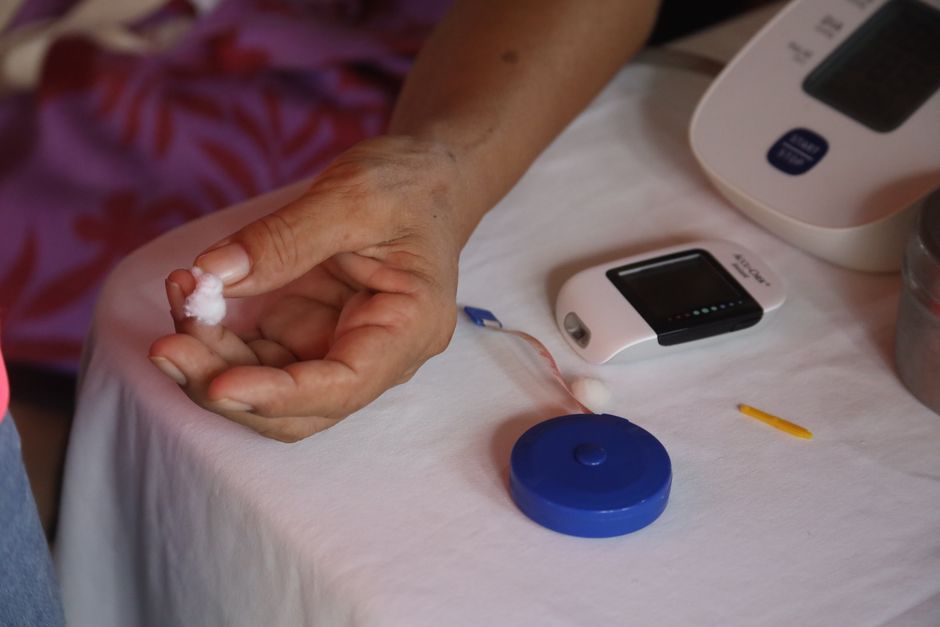
A hemoglobin test measures how much hemoglobin is in your blood. Hemoglobin is the iron-containing protein inside red blood cells that carries oxygen from your lungs to every tissue in your body and brings carbon dioxide back for you to exhale. The test itself is simple — usually part of a complete blood count (CBC) — but what it reveals can point to anemia, dehydration, bleeding, lung problems, bone marrow disorders, and more.
What Does a Hemoglobin Test Check For?
The test checks the concentration of hemoglobin in your blood, reported in grams per deciliter (g/dL). That single number tells your doctor how well your blood can deliver oxygen to your organs.
Hemoglobin is not a standalone measure of health. It reflects a balance between red blood cell production in your bone marrow, red blood cell destruction, and blood loss. When any of those three shifts, hemoglobin moves with it. That is why an abnormal result usually triggers more testing — a CBC with red blood cell indices, reticulocyte count, iron studies, or vitamin levels — rather than a diagnosis on its own.
Doctors order hemoglobin testing for many reasons. To screen for anemia during a routine physical. To monitor a known blood disorder. To check for blood loss after surgery or trauma. To evaluate fatigue, shortness of breath, or pale skin. To track how a treatment is working. The same test serves all of these purposes because the underlying question is always the same: is this person’s blood carrying enough oxygen?
What Is the Normal Hemoglobin Range?
Normal ranges differ by sex and sometimes by age. Well-established reference ranges are:
- Adult men: roughly 13.5 to 17.5 g/dL
- Adult women: roughly 12.0 to 15.5 g/dL
- Children: varies by age; ranges are typically lower in young children
These ranges come from large population studies and are used by most clinical laboratories, though exact cutoffs can vary slightly between labs. A result just below the lower limit is not automatically a problem. Mildly low hemoglobin is common and can be caused by hydration status, recent illness, or normal variation.
Pregnancy is a special case. Hemoglobin normally drops during pregnancy because plasma volume increases more than red blood cell mass. What looks like anemia on paper may be a normal physiological change. That is why pregnancy-specific reference ranges exist and why interpretation needs a clinician who knows the context.
What Does Low Hemoglobin Mean?
Low hemoglobin means anemia. Anemia is not a disease itself — it is a sign that something is reducing your red blood cell count or the amount of hemoglobin inside each cell. The causes fall into three broad groups.
Blood loss. This can be obvious (heavy menstrual bleeding, surgery, trauma) or hidden (slow bleeding from the stomach or intestines). Chronic slow blood loss is a common cause of iron deficiency anemia in adults, and it can happen without any visible sign.
Decreased production. Your bone marrow may not be making enough red blood cells. Causes include iron deficiency, vitamin B12 or folate deficiency, chronic kidney disease, certain medications, and bone marrow disorders. Iron deficiency is the most common cause worldwide, according to the World Health Organization.
Increased destruction. Red blood cells may be broken down faster than the body can replace them. This can happen with certain inherited conditions, autoimmune diseases, infections, or reactions to some drugs.
Symptoms of low hemoglobin include fatigue, shortness of breath with activity, pale skin, dizziness, cold hands and feet, and headaches. Mild anemia often causes no symptoms at all and is found only on a routine blood test. Severe anemia can strain the heart and other organs, which is why persistent low results need evaluation rather than watchful waiting.




What Does High Hemoglobin Mean?
High hemoglobin means your blood is more concentrated than normal. The most common reason is not a blood disorder at all — it is dehydration. When you lose fluid, the same amount of hemoglobin sits in less plasma, so the concentration rises.
Other causes include:
- Living at high altitude, where lower oxygen levels trigger the body to make more red blood cells
- Chronic lung disease or sleep apnea, which reduce oxygen in the blood
- Smoking, because carbon monoxide binds to hemoglobin and reduces oxygen delivery
- Certain tumors that produce excess erythropoietin, a hormone that stimulates red blood cell production
- Polycythemia vera, a rare bone marrow disorder that overproduces red blood cells
High hemoglobin can make blood thicker, which increases the risk of clotting and can strain the heart. But a single high reading is often just dehydration or a temporary condition. Repeat testing and clinical context matter.
How Is the Hemoglobin Test Done?
A hemoglobin test requires a small blood sample, usually drawn from a vein in your arm. No special preparation is needed for a standard hemoglobin test, though your doctor may ask you to fast if other tests are being run at the same time, such as a lipid panel or glucose test.
The sample goes to a laboratory, where an automated analyzer measures hemoglobin concentration. Results are typically available within hours to a day, depending on the setting. In urgent situations — such as an emergency room — results can come back in minutes using a point-of-care device.
The test carries minimal risk. You may feel a brief sting when the needle goes in, and there is a small chance of bruising or light bleeding at the puncture site. Serious complications are rare.
One clarification worth knowing: hemoglobin and hematocrit are related but not the same. Hematocrit measures the percentage of your blood made up of red blood cells. Hemoglobin measures the amount of oxygen-carrying protein. They usually rise and fall together, but they can diverge in certain conditions, which is why both are included in a CBC.
What Conditions Can a Hemoglobin Test Help Detect?
A hemoglobin test does not diagnose a specific condition by itself. It flags that something is off and guides further testing. Conditions it can help identify or monitor include:
- Iron deficiency anemia and other nutritional anemias
- Anemia of chronic disease, often seen with inflammation, infection, or cancer
- Kidney disease, because damaged kidneys produce less erythropoietin
- Bone marrow disorders such as aplastic anemia or myelodysplastic syndromes
- Inherited blood disorders such as sickle cell disease or thalassemia
- Acute or chronic blood loss from any source
- Polycythemia vera and other causes of elevated red blood cell production
In each case, hemoglobin is one piece of a larger picture. A low result with small, pale red blood cells points toward iron deficiency. A low result with large red blood cells points toward B12 or folate deficiency. A low result with a high reticulocyte count suggests the bone marrow is responding to blood loss or destruction. The pattern matters as much as the number.
When Should You Get a Hemoglobin Test?
There is no single guideline that says every adult should get a hemoglobin test at a specific interval. Most routine physical exams include a CBC, which includes hemoglobin. Beyond that, testing is usually driven by symptoms or risk factors.
Talk to your doctor about hemoglobin testing if you have:
- Persistent fatigue or weakness
- Shortness of breath, especially with activity
- Pale skin, lips, or nail beds
- Dizziness or lightheadedness
- Cold hands and feet
- Heavy menstrual bleeding
- A family history of blood disorders
- A chronic condition such as kidney disease, cancer, or an autoimmune disorder
Some organizations recommend anemia screening for pregnant women and for people with known risk factors. If you are unsure whether you need testing, that is a conversation to have with your clinician, not a decision to make from a single article.
What Affects Hemoglobin Results?
Several factors can shift hemoglobin up or down without indicating disease. Hydration is the biggest one. Being well hydrated can lower the concentration slightly; dehydration raises it. Time of day, recent exercise, and even posture during the blood draw can cause small changes.
Medications can also affect results. Some diuretics, chemotherapy drugs, and certain antibiotics can lower hemoglobin. Erythropoietin-stimulating agents raise it. If you take any medication regularly, tell the person drawing your blood and the doctor interpreting the result.
Altitude matters too. People living at high elevations normally have higher hemoglobin because their bodies compensate for lower oxygen levels in the air. A result that looks high at sea level may be normal in Denver or in the Andes.
Finally, laboratory variation exists. Different labs use different analyzers and reference ranges. A result that is borderline at one lab may be normal at another. Trends over time in the same lab are usually more meaningful than a single number.
Frequently Asked Questions
What is a normal hemoglobin level?
For adult men, normal is roughly 13.5 to 17.5 g/dL; for adult women, roughly 12.0 to 15.5 g/dL. Exact ranges vary slightly by laboratory.
Can dehydration affect a hemoglobin test?
Yes. Dehydration concentrates the blood and can make hemoglobin read higher than your true baseline. Drinking water before the test can help avoid this.
Does low hemoglobin always mean anemia?
Low hemoglobin is the definition of anemia, but it does not identify the cause. Further testing is needed to determine whether the cause is blood loss, decreased production, or increased destruction.
How often should hemoglobin be checked?
There is no universal schedule. Frequency depends on your symptoms, risk factors, and any chronic conditions you have. Your doctor can recommend an appropriate interval.
