
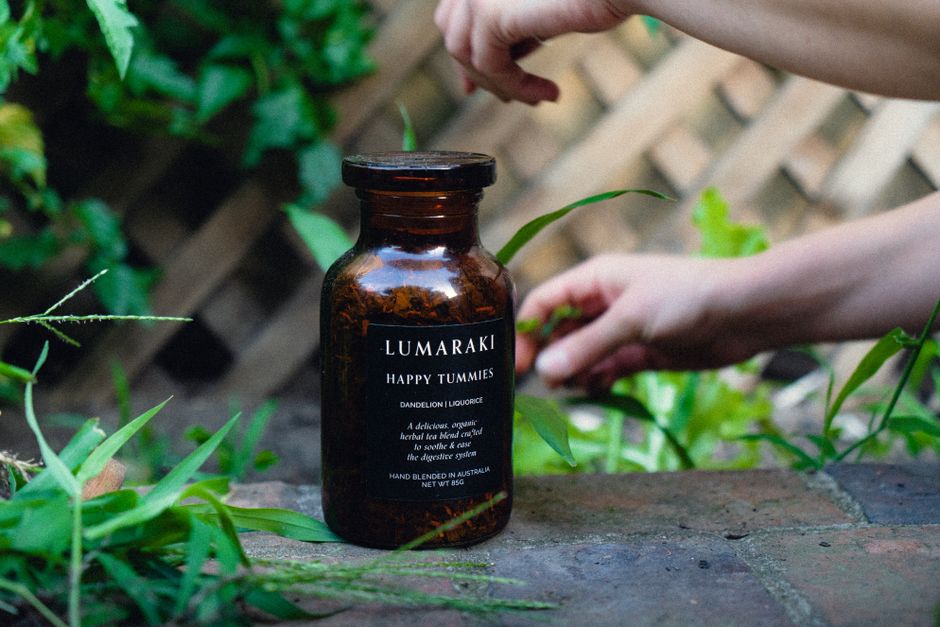
A gut cleanse does not remove “toxins” or “reset” your digestive system. What it actually does depends entirely on what the cleanse contains — and most of the popular versions trigger the same basic physiological response: they force your bowels to empty, often rapidly, through irritation, osmotic pull, or both. That is a mechanical effect, not a healing one.
Your gut is already a highly efficient clearance system. It sheds and replaces its own lining continuously, houses trillions of bacteria that compete with pathogens, and moves waste out on a schedule your nervous system largely manages without your input. A cleanse mostly overrides that system temporarily. Then it stops.
What Does A Gut Cleanse Actually Do To Your Gut?
Most commercial cleanses work through one of two mechanisms, and sometimes both at once.
The first is osmotic laxation. Ingredients like magnesium citrate, sodium phosphate, or polyethylene glycol draw water into the colon. That extra water softens stool and increases pressure, which triggers a bowel movement. This is how many colonoscopy prep solutions work — and they are effective at clearing the bowel. That is a real, measurable effect. It is also temporary and has nothing to do with removing toxins from your body.
The second is stimulant laxation. Herbs like senna and cascara sagrada contain compounds called anthraquinones that irritate the lining of the colon. The irritation causes the colon to contract harder and faster. The result is a bowel movement, sometimes within hours. Again, this is a mechanical response to irritation, not a sign that something beneficial is happening.
Some cleanses add fiber, probiotics, or herbal blends marketed as “gut-healing.” These ingredients may have their own effects on digestion, but they do not cleanse anything. Fiber adds bulk. Probiotics introduce bacteria. Neither flushes your system.
A common claim is that cleanses remove built-up waste stuck to the colon wall. This is not how the colon works. The mucosal lining sheds and renews itself constantly. There is no layer of old stool accumulating over months or years in a healthy colon. The idea that you carry pounds of “impacted waste” is a marketing invention, not an anatomical reality.
What Happens To Your Gut Bacteria During A Cleanse?
Your gut bacteria are affected by what you eat and drink, and a cleanse changes both dramatically.
If the cleanse involves fasting or severe calorie restriction, your gut bacteria shift within days. Some studies suggest that fasting can alter the composition of the microbiome, though the research is still developing and results vary by individual. What is clearer is that a sudden drop in fiber intake — common during juice cleanses or liquid-only protocols — reduces the fuel available to beneficial bacteria that ferment fiber into short-chain fatty acids.
Short-chain fatty acids, especially butyrate, are the main energy source for the cells lining your colon. When you stop feeding those bacteria, you are not just starving them. You are temporarily reducing the fuel your colon cells rely on.
Stimulant laxatives can also cause a rapid transit effect. When waste moves through the colon too quickly, there is less time for water absorption and less time for bacterial fermentation. The net effect on the microbiome from a short cleanse is probably modest and temporary. The effect from repeated or prolonged cleanses is less clear, and the evidence is limited.
What the evidence does not support is the idea that a cleanse “resets” your microbiome to a healthier state. There is no clinical evidence that this happens.
Can A Gut Cleanse Cause Harm?
For most healthy adults, a single short cleanse is unlikely to cause lasting damage. But “unlikely to cause lasting damage” is not the same as “safe,” and certain groups face real risks.
- Dehydration and electrolyte imbalance. Osmotic and stimulant laxatives can cause significant fluid and electrolyte loss, especially with repeated use. Low potassium and sodium levels can cause weakness, cramping, heart palpitations, and in severe cases, cardiac arrhythmias.
- Dependence on laxatives. Regular use of stimulant laxatives can lead to a colon that becomes less responsive without them. This is sometimes called a “lazy colon,” though the mechanism is more about nerve and muscle adaptation than true damage in most cases.
- Kidney stress. Some cleanse ingredients, particularly high-dose sodium phosphate, have been associated with kidney injury in susceptible people. The FDA has issued warnings about certain bowel prep products on this basis.
- Interference with medications. Rapid transit through the gut can reduce absorption of oral medications, including birth control pills, blood pressure drugs, and seizure medications.
- Danger during pregnancy. Stimulant laxatives and many herbal cleanse ingredients are not considered safe during pregnancy. No clinical guidelines support cleanse use in pregnant women.
People with inflammatory bowel disease, kidney disease, heart conditions, or eating disorders should not use cleanses without medical supervision. For some, they are contraindicated entirely.





Why Do People Feel Better After A Cleanse?
Many people report feeling lighter, clearer, and more energetic after a cleanse. That experience is real. The explanation is usually simpler than the marketing suggests.
Emptying your bowels reduces abdominal distension and bloating. That feels different, and it is noticeable. Cutting out alcohol, processed food, added sugar, and caffeine for a week — which many cleanses require — can improve sleep, reduce headaches, and stabilize energy. Those changes come from what you removed, not from the cleanse itself.
There is also a placebo effect. When you expect to feel better and you are paying attention to how you feel, you often do feel better. That is not a trick. It is a well-documented phenomenon in clinical research.
None of this means the cleanse did something therapeutic to your gut. It means the behavior change around the cleanse may have helped, and the bowel emptying felt good. Those are different claims.
What Actually Supports Gut Health?
The interventions with the strongest evidence for gut health are not dramatic and do not involve colon cleansing.
Fiber from a variety of plant sources feeds beneficial bacteria and supports regular bowel movements. Most adults in the US do not meet recommended fiber intake. The USDA Dietary Guidelines recommend about 25 to 30 grams of fiber per day for adults, depending on age and sex. Most people get closer to 15 grams.
Fermented foods like yogurt with live cultures, kefir, sauerkraut, and kimchi contain live bacteria. Some research suggests they can support microbiome diversity, though the effects vary and the evidence is not uniform across all products.
Regular physical activity, adequate sleep, and avoiding unnecessary antibiotics all support gut function through well-established pathways. Chronic stress affects gut motility and barrier function through the gut-brain axis — that connection is well documented.
If you have persistent bloating, constipation, diarrhea, or abdominal pain, those are symptoms worth investigating with a doctor. They can indicate conditions like irritable bowel syndrome, celiac disease, inflammatory bowel disease, or small intestinal bacterial overgrowth. A cleanse will not diagnose or treat any of them, and it may delay getting an accurate answer.
Are There Any Legitimate Medical Uses For Bowel Cleansing?
Yes, but they are specific and supervised.
Bowel prep before a colonoscopy is a legitimate medical procedure. It uses osmotic laxatives under clinical supervision to clear the colon so a doctor can see the lining. The purpose is visualization, not detoxification.
In cases of severe constipation that has not responded to other treatments, a doctor may recommend a limited course of laxatives. That is a clinical decision based on a diagnosis, not a general wellness practice.
Certain poisonings and drug overdoses may be treated with activated charcoal or other interventions to reduce absorption. These are emergency treatments given in a hospital, not cleanses you buy online.
The distinction matters. Medical bowel cleansing has a defined purpose, a defined endpoint, and clinical oversight. Commercial cleanses have none of those things.
Do You Need To Cleanse Your Gut At All?
No. A healthy gut does not accumulate toxins that need to be flushed. Your liver and kidneys process and excrete waste continuously. Your colon moves contents out on its own. The microbiome maintains itself in response to what you eat, how you sleep, and how you live.
The idea that you need to periodically “clean” an organ that cleans itself is not supported by anatomy or physiology. It is a marketing concept, not a medical one.
If your digestion feels off, the useful question is why. That answer usually comes from a doctor, a dietitian, or a careful look at diet and lifestyle — not from a bottle of herbs and a week of lemon water.
Frequently Asked Questions
Do gut cleanses remove toxins?
No. Your liver and kidneys handle toxin removal, and no cleanse has been shown to improve that process. The “toxins” cleanses claim to remove are not defined or measured in any clinical way.
How long does a gut cleanse affect your gut?
The bowel-emptying effect typically lasts hours to a day or two after you stop the cleanse. Any changes to gut bacteria from a short cleanse are likely temporary, though the evidence on duration is limited.
Can a gut cleanse hurt your gut bacteria?
It can disrupt them temporarily, especially if it involves fasting or very low fiber intake. There is no evidence that a cleanse improves the microbiome, and repeated cleanses may have cumulative effects that are not well studied.
Is it safe to do a gut cleanse at home?
For most healthy adults, a single short cleanse is unlikely to cause lasting harm, but it carries real risks including dehydration, electrolyte imbalance, and medication interference. Pregnant women, people with kidney or heart conditions, and anyone with IBD should not cleanse without medical supervision.
