
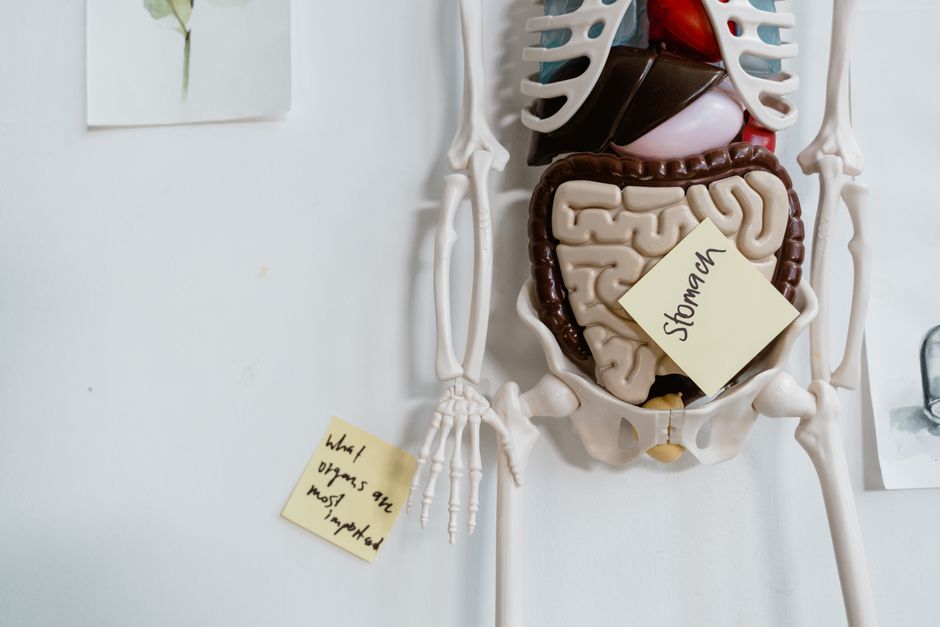
A cardioectomy is a surgical procedure that removes the cardia, which is the top part of the stomach where it connects to the esophagus. This region acts as the entry point for food and contains the lower esophageal sphincter, a muscular ring that prevents stomach acid from flowing backward into the throat. When surgeons perform a cardioectomy, they remove this upper portion of the stomach and then reconnect the esophagus to the remaining lower part of the stomach.
What Exactly Is the Cardia of the Stomach?
The cardia is a small, roughly one-inch-wide band of tissue located at the very top of the stomach. It sits directly below the diaphragm and surrounds the opening where the esophagus enters the stomach. The name comes from the Greek word kardia, meaning heart, because this area lies so close to the heart.
This region is not just a passive passageway. The cardia contains specialized glands that produce mucus, which protects the stomach lining from its own digestive acids. More importantly, the cardia houses the lower esophageal sphincter — a ring of smooth muscle that opens to let food pass into the stomach and then closes tightly to keep acidic contents from rising into the esophagus.
When a surgeon removes the cardia, they remove both this mucus-producing tissue and the sphincter mechanism. The esophagus must then be attached to the body of the stomach, which is the larger central portion. This changes how the digestive system handles food and acid, which is why a cardioectomy is never performed lightly.
Why Would a Surgeon Remove the Cardia?
A cardioectomy is performed most often to treat cancer. Adenocarcinoma of the gastroesophageal junction — cancer that forms where the esophagus meets the stomach — frequently originates in or near the cardia. Removing the entire cardia with clear margins around the tumor is the standard surgical approach for this type of cancer.
Other reasons include severe damage to the cardia from chronic acid reflux, though this is less common. In rare cases, a surgeon may remove the cardia for benign tumors that cannot be safely removed any other way, or for severe strictures that do not respond to other treatments.
It is important to understand that a cardioectomy is a major operation. It is not performed for routine acid reflux, heartburn, or indigestion. Those conditions are managed with medication and lifestyle changes. Surgery that removes part of the stomach carries significant risks and is reserved for situations where the benefit clearly outweighs the danger.
How Is a Cardioectomy Different From Other Stomach Surgeries?
Stomach surgery has several distinct procedures, and they are often confused. A cardioectomy removes only the top portion of the stomach. It is a partial gastrectomy, meaning part of the stomach is removed but not all of it.
A total gastrectomy removes the entire stomach, and the esophagus is connected directly to the small intestine. A partial gastrectomy can remove the upper portion, the lower portion, or the middle portion, depending on where the disease is located. A sleeve gastrectomy, which is a weight-loss procedure, removes the left side of the stomach to create a narrow tube.
Each procedure has different effects on digestion. A cardioectomy specifically affects the valve function between the esophagus and stomach. After surgery, patients can no longer rely on that sphincter to keep acid down, which is why reflux symptoms are common after this operation.




What Happens to Digestion After the Cardia Is Removed?
When the cardia is removed, the esophagus is surgically attached to the body of the stomach. The stomach itself remains largely intact, so it can still store food and begin the digestive process. Most patients can eat relatively normally after recovery, though they may need to eat smaller meals more frequently.
The most significant change is the loss of the lower esophageal sphincter. Without this valve, stomach acid can flow freely into the esophagus. Most patients experience some degree of acid reflux after a cardioectomy, and many need long-term acid-suppressing medication to manage it.
Another change involves the vagus nerve, which runs along the esophagus and stomach. This nerve controls stomach emptying and acid production. During a cardioectomy, the nerve may be damaged or cut, which can slow stomach emptying. Some patients develop a condition called delayed gastric emptying, where food sits in the stomach longer than normal.
Weight loss is common after this surgery, particularly in the first few months. This happens for several reasons: the stomach is slightly smaller, some patients lose their appetite, and the digestive process is altered. Most patients stabilize at a new weight within six months to a year.
What Are the Risks and Complications?
Like any major abdominal surgery, a cardioectomy carries risks. The most serious complications include bleeding, infection, and leakage at the surgical connection where the esophagus meets the stomach. A leak is a medical emergency because stomach contents can spill into the chest or abdominal cavity.
Other potential complications include narrowing of the connection between the esophagus and stomach, which can make swallowing difficult. This happens in some patients and may require a procedure to widen the area. Damage to nearby structures, such as the spleen or pancreas, is also possible because these organs sit close to the cardia.
Long-term, patients may experience dumping syndrome, where food moves through the stomach too quickly into the small intestine. This can cause nausea, cramping, and diarrhea shortly after eating. Not everyone develops this, but it is a recognized complication of gastric surgery.
Mortality rates for this surgery vary depending on the patient’s overall health, the stage of disease, and the surgeon’s experience. In high-volume centers, the risk of death from the surgery itself is generally low, but it is not zero. Patients should discuss their specific risk profile with their surgical team before the procedure.
What Is Recovery Like After a Cardioectomy?
Recovery begins in the hospital. Most patients stay for several days to a week or more. During the first few days, patients receive nutrition through an IV or a feeding tube placed directly into the small intestine. This gives the surgical connection time to heal before food is introduced.
Once healing is confirmed, usually with an imaging study called a swallow test, patients begin a liquid diet. Over several weeks, they advance to soft foods and then to a regular diet. Most surgeons recommend eating six small meals a day rather than three large ones.
Full recovery takes time. Most patients can return to light activity within a few weeks and to full activity within two to three months. Fatigue is common for several months after surgery. Patients who had cancer may also need chemotherapy or radiation therapy before or after surgery, which adds to recovery time.
Long-term follow-up is essential. Patients need regular checkups to monitor for cancer recurrence, nutritional deficiencies, and complications like reflux or narrowing of the surgical connection. Vitamin and mineral levels should be checked periodically because stomach surgery can affect nutrient absorption.
Can the Cardia Be Removed Without Removing Part of the Stomach?
No. The cardia is part of the stomach itself. It cannot be stripped away while leaving the rest of the stomach untouched. The cardia is not a separate organ — it is the topmost region of the stomach wall, continuous with the rest of the organ.
Some procedures, like fundoplication, wrap part of the stomach around the esophagus to strengthen the valve function without removing tissue. But this is a repair procedure, not a removal. It does not take out the cardia.
If the cardia itself is diseased, it must be removed as part of the stomach. There is no way to excise just the sphincter muscle and leave everything else in place. The surgery removes a segment of the stomach, and the remaining stomach is then reconnected to the esophagus.
What Is the Long-Term Outlook After a Cardioectomy?
The long-term outlook depends heavily on why the surgery was performed. For patients with cancer, the prognosis depends on the stage of the disease at diagnosis, whether the tumor was completely removed, and whether the cancer responds to additional treatments like chemotherapy or radiation.
For patients who survive the surgery and any cancer treatment, quality of life can be good. Most adapt to their new digestive anatomy. They learn to eat smaller meals, chew thoroughly, and avoid foods that trigger reflux. Many require long-term medication to manage acid, and some need nutritional supplements.
It is worth noting that the term “cardioectomy” is sometimes confused with cardiac procedures. A cardioectomy is a stomach operation. It has nothing to do with removing the heart. The similar-sounding name reflects the cardia’s proximity to the heart, not any connection to cardiac surgery.
Frequently Asked Questions
Is a cardioectomy the same as a heart surgery?
No. A cardioectomy is a stomach surgery that removes the cardia, the top part of the stomach. Despite the similar-sounding name, it does not involve the heart at all.
Can you eat normally after a cardioectomy?
Most patients can eat a relatively normal diet after recovery, but they typically need smaller, more frequent meals. Acid reflux is common after surgery because the valve between the esophagus and stomach has been removed.
How long does a cardioectomy surgery take?
The procedure typically takes several hours, often between three and six hours depending on the surgical approach and whether additional procedures are needed. Recovery in the hospital usually lasts several days to a week.
Is a cardioectomy done for acid reflux?
No. A cardioectomy is performed primarily for cancer at the junction of the esophagus and stomach. Routine acid reflux is managed with medication and lifestyle changes, not surgery that removes stomach tissue.
