
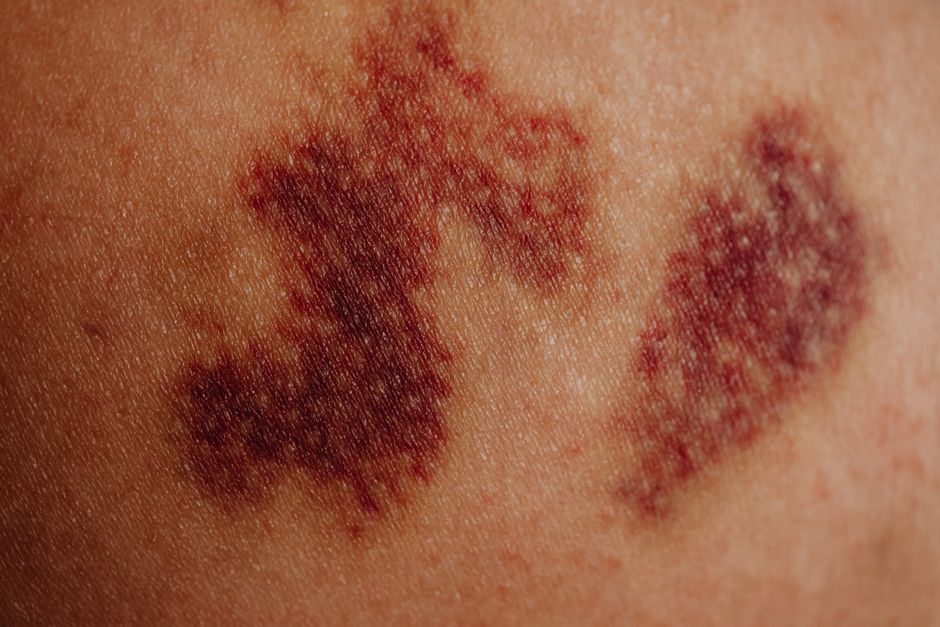
A bone bruise is a painful injury that happens deep inside your bone, not on the surface. You feel a deep, aching soreness that lingers, and the area becomes tender to the touch. Unlike a muscle ache that fades with gentle movement, a bone bruise hurts when you put weight on it, and the pain often feels worse at night or when you press directly on the spot.
What Does A Bone Bruise Feel Like Compared to a Muscle Bruise?
A muscle bruise, or contusion, hurts in the soft tissue. You feel a sharp sting at the moment of impact, then a dull ache that spreads through the muscle. The pain usually eases when you rest the muscle and changes position.
A bone bruise feels different. The pain is deeper, more localized, and more persistent. It does not fade quickly with rest. Pressing on the bone itself triggers a distinct, sharp tenderness that feels like it is coming from beneath the muscle, not from the muscle itself. Swelling is often present, but it may be less obvious than with a muscle injury because the swelling is inside the bone.
Many people describe the sensation as a constant, throbbing ache that worsens when blood pools in the injured area, such as when you lower your leg below heart level. The area may also feel warm to the touch.
How Does a Bone Bruise Actually Happen?
A bone bruise occurs when a direct blow or repeated force damages the small blood vessels inside the bone. Blood leaks into the bone’s inner layers, causing swelling and inflammation within a space that cannot expand. That trapped pressure is what creates the deep, intense pain.
Common causes include falls, sports impacts, car accidents, and twisting injuries. You can also get a bone bruise from repetitive stress, like running long distances on hard surfaces without proper recovery. The most frequent locations are the knee, ankle, heel, and the bones of the foot.
Bone bruises often happen alongside other injuries. For example, an ankle sprain can include a bone bruise on the talus bone, and an ACL tear in the knee frequently comes with a bone bruise where the femur and tibia impact each other.
What Are the Typical Symptoms of a Bone Bruise?
Pain is the defining symptom. It is usually described as a deep, continuous ache that intensifies with activity and eases somewhat with elevation and rest. Weight-bearing activities like walking or standing are often painful enough to cause a limp.
Swelling is common, though it may be subtle. You might notice the joint or bone area looks slightly puffy compared to the other side. Stiffness often follows, especially after resting for a while and then trying to move the area.
Discoloration can occur but is not always present. Unlike a surface bruise that turns black and blue within hours, a bone bruise may take a day or two to show any color change. When it does appear, it often looks like a deep purple or brown patch that fades slowly over weeks.
Range of motion can be limited. Moving the joint near the bruised bone may be painful, and you might feel a catching or grinding sensation if the bruise is in a joint surface.



How Is a Bone Bruise Diagnosed?
A doctor begins with a physical exam. They press on the area to locate the exact point of tenderness and assess swelling and range of motion. They will also ask how the injury happened and whether you can bear weight.
X-rays do not show bone bruises. They only reveal fractures and structural changes. If your doctor suspects a bone bruise, they may order an MRI. An MRI can show the internal swelling and bleeding within the bone that an X-ray cannot detect.
An MRI is not always necessary. If the injury is mild and the symptoms are consistent with a simple bone bruise, your doctor may diagnose it based on the exam and history alone. However, if pain is severe, if you cannot bear weight, or if symptoms do not improve within a few days, imaging is often recommended to rule out a fracture or more serious injury.
How Long Does a Bone Bruise Take to Heal?
Healing time varies significantly based on the severity of the bruise and its location. Most bone bruises heal within four to eight weeks. Some take as little as two weeks for a very mild injury, while others can take several months if the bruise is large or in a weight-bearing joint like the knee or ankle.
During the first week, the pain is usually most intense. Over the following weeks, the pain gradually decreases as the body reabsorbs the leaked blood and repairs the damaged bone tissue. Full return to sports or heavy physical activity often takes longer than the pain resolves, because the bone remains structurally weakened during the healing process.
Returning to activity too soon increases the risk of a more serious injury, such as a fracture. It is important to follow your doctor’s guidance about when it is safe to resume normal activities.
What Is the Best Treatment for a Bone Bruise?
Treatment focuses on reducing pain and swelling while protecting the bone from further injury. The RICE method — rest, ice, compression, and elevation — is the standard first-line approach.
- Rest: Avoid weight-bearing activities. Use crutches if walking is painful.
- Ice: Apply an ice pack wrapped in a thin cloth for 15 to 20 minutes every few hours during the first 48 hours.
- Compression: An elastic bandage can help control swelling, but it should not be tight enough to cause numbness or tingling.
- Elevation: Keep the injured area raised above heart level whenever possible to reduce blood pooling.
Over-the-counter pain relievers like acetaminophen can help manage pain. Nonsteroidal anti-inflammatory drugs (NSAIDs) such as ibuprofen can also reduce inflammation, but some research suggests they may slow bone healing if used for extended periods. Short-term use for a few days is generally considered safe, but talk to your doctor about what is appropriate for your situation.
Physical therapy is sometimes recommended once the acute pain subsides. Gentle range-of-motion exercises and progressive strengthening can help restore function and prevent stiffness. No clinical guidelines currently specify an exact rehabilitation protocol for bone bruises, so therapy is tailored to each individual’s injury.
When Should You See a Doctor for a Bone Bruise?
You should see a doctor if you cannot bear weight on the injured limb, if the pain is severe, or if swelling does not improve within a few days. You should also seek medical attention if you have numbness, tingling, or a feeling of instability in the joint.
Persistent pain that does not improve after a week of home care warrants evaluation. A bone bruise that is not healing properly can progress to a stress fracture, which requires different treatment.
If you have a condition that affects bone health, such as osteoporosis, or if you take blood-thinning medications, seek medical advice early. These factors can increase the risk of complications and prolong healing.
Can a Bone Bruise Lead to Complications?
Most bone bruises heal without long-term problems. However, complications can occur. A severe bone bruise can damage the cartilage over a joint, which may increase the risk of developing osteoarthritis in that joint years later.
In rare cases, a bone bruise can cause a condition called avascular necrosis. This happens when the blood supply to a section of bone is disrupted, causing the bone tissue to die. It is most commonly associated with certain bones in the hip and knee and requires prompt medical treatment.
Another potential complication is progression to a fracture. If you continue to stress a bruised bone before it has healed, the weakened bone can crack. This is more likely in weight-bearing bones like the tibia or the bones of the foot.
What Is the Difference Between a Bone Bruise and a Fracture?
A bone bruise is damage to the internal structure of the bone without a break in the bone’s surface. A fracture is an actual break or crack in the bone. Both injuries cause significant pain and swelling, and both require time to heal.
Fractures are usually more painful and more obvious on X-rays. A bone bruise may feel similar to a mild fracture but does not show up on standard imaging. In some cases, a bone bruise is considered a precursor to a fracture, and the treatment approach is similar: rest, protection, and gradual return to activity.
If you are unsure whether you have a fracture or a bone bruise, do not guess. Seek medical evaluation, especially if you cannot bear weight or if the pain is severe.
Frequently Asked Questions
Can you walk on a bone bruise?
Walking is often painful, but you can walk on a mild bone bruise if it does not cause severe pain. If walking is very painful or you are limping, use crutches and see a doctor.
Does a bone bruise feel like a fracture?
The pain can feel similar to a fracture, but a bone bruise does not cause the same instability or inability to bear weight. An X-ray is needed to tell the difference with certainty.
How long does a bone bruise hurt?
The most intense pain usually lasts for the first one to two weeks. A dull ache can persist for several weeks as the bone heals, with most injuries resolving within four to eight weeks.
Should you ice a bone bruise?
Yes, ice helps reduce swelling and pain. Apply an ice pack wrapped in a thin cloth for 15 to 20 minutes every few hours during the first 48 hours after the injury.
