
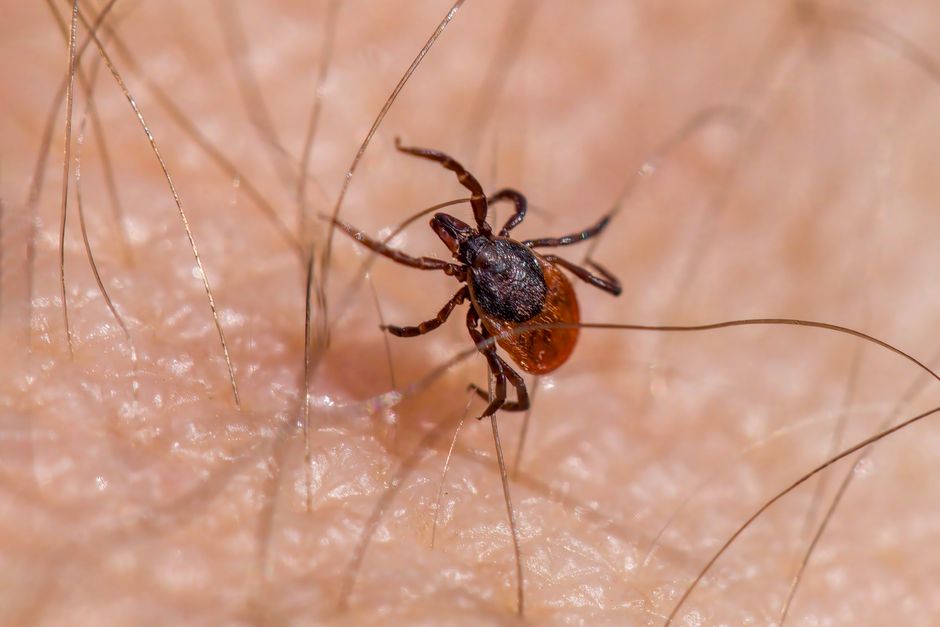
A black widow bite at 24 hours often looks like a small red puncture with a pale center, surrounded by a ring of redness and mild swelling. Two tiny fang marks may be visible, though they are frequently too small to see. By this point, the skin reaction itself is usually less dramatic than the cramping muscle pain that can develop elsewhere in the body.
That gap between what the skin looks like and how the person feels is the single most important thing to understand about black widow bites. The wound can seem minor while the body is reacting to venom that affects nerve signaling. Most bites are not life-threatening, but they are painful and can require medical care.
What Does a Black Widow Bite Look Like After 24 Hours?
At 24 hours, the bite site typically shows a small area of redness and slight swelling. A pale or whitish zone may sit in the middle, sometimes with a faint red ring around it. This is a local reaction to venom and to the tissue damage from the bite itself.
Two fang marks are possible but not reliable. Black widow fangs are small, and the marks may be too close together or too faint to spot. Many people never find a clear puncture at all and only notice a tender red spot.
The skin findings are usually modest. You generally will not see a large swollen limb, a spreading blister, or a fast-moving red streak from a black widow bite alone. When those appear, another cause or a secondary infection is more likely.
What often stands out more than the skin is the timing of other symptoms. Muscle aching and cramping can build over the first several hours and peak somewhere in the first day. By the 24-hour mark, a person may have significant pain in the abdomen, back, shoulders, or legs even though the bite site looks minor.
What Are the First Signs of a Black Widow Bite?
The first sign is usually a sharp pinprick sensation at the moment of the bite. Some people feel a brief sting, and others notice nothing at the time. Within minutes to an hour, a small red spot and mild swelling can appear.
Early symptoms are often more about the body than the wound. Within the first few hours, people may develop:
- Muscle cramps or stiffness, sometimes severe
- Pain that spreads from the bite to the chest, abdomen, or back
- Sweating, restlessness, or a sense of anxiety
- Elevated heart rate or blood pressure
- Nausea or abdominal discomfort
These symptoms come from the venom acting on nerve endings, not from tissue destruction. That is why the bite area itself can look calm while the rest of the body feels anything but calm. The pattern of spreading muscle pain with a quiet-looking wound is a useful clue.
How Does Black Widow Venom Affect the Body?
Black widow venom contains a group of toxins called latrotoxins. The most studied one, alpha-latrotoxin, acts on nerve terminals. It triggers a flood of neurotransmitter release, which overstimulates muscles and nerves.
That overstimulation explains the symptom pattern. Muscles contract and cramp. Nerve signals fire excessively. The result is pain, rigidity, sweating, and changes in heart rate and blood pressure. None of this requires the venom to destroy tissue, which is why the skin can look relatively normal.
This is a key point that separates black widow bites from many other venomous bites. The damage is functional and neurological rather than visibly destructive at the wound. Understanding that helps explain why the skin appearance at 24 hours often looks milder than the person’s overall condition.




How Common Are Serious Reactions?
Most black widow bites are not dangerous, but a minority cause significant illness. Severe reactions are more likely in young children, older adults, and people with existing heart or lung conditions. Pregnant women are also a group that warrants closer attention.
Death from a black widow bite is rare. Antivenom and supportive care are available, and most people recover. The main concern is the intensity of pain and the strain that severe muscle cramping and cardiovascular effects place on the body.
It is not possible to predict from the wound alone who will develop severe symptoms. A small, unimpressive-looking bite site does not guarantee a mild course, and a more visible reaction does not automatically mean danger. The overall symptom picture matters more than the skin.
When Should You Get Medical Help?
Seek medical care if you have spreading or severe muscle pain, chest tightness, trouble breathing, or a rapid heartbeat after a suspected bite. These signs point to systemic venom effects that need evaluation.
Get urgent care for any bite in a young child or an older adult, and for anyone with a known heart or lung condition. Call emergency services if there is difficulty breathing, loss of consciousness, or severe chest pain.
Even when symptoms seem manageable, it is reasonable to contact a poison control center or a healthcare provider for guidance. They can help assess whether the bite needs monitoring or treatment. Do not wait for the wound to look worse before acting, because the wound is not the best measure of severity.
If you can do so safely, capture or photograph the spider for identification. Correct identification helps guide care, though treatment often proceeds based on symptoms regardless.
What Is the Treatment for a Black Widow Bite?
Treatment focuses on controlling pain and supporting the body while the venom clears. Most people do not need antivenom. Pain management, muscle relaxants, and monitoring are common approaches, and these are decisions made by clinicians based on symptom severity.
Antivenom is generally reserved for severe cases, such as intense pain that does not respond to other treatment, significant cardiovascular effects, or high-risk patients. It is a clinical decision, not a routine step, and it carries its own risks.
There is no reliable home remedy that neutralizes black widow venom. Applying ice and keeping the area clean may ease discomfort, but these measures do not treat the venom’s effects on nerves and muscles. Anyone with systemic symptoms needs medical assessment rather than home management.
How Does a Black Widow Bite Compare to Other Spider Bites?
The skin appearance of a black widow bite is usually less dramatic than a brown recluse bite. Brown recluse bites are known for tissue damage that can worsen over days, sometimes forming a blister or an open sore. Black widow bites tend to affect nerves and muscles more than skin.
This difference matters for recognition. A wound that looks minor but comes with widespread muscle cramping points more toward a black widow. A wound that progressively breaks down and ulcerates points more toward tissue-destroying venoms or other causes.
Neither pattern is a sure diagnosis on its own. Many skin reactions, infections, and other conditions can mimic spider bites. Identification is more reliable when a spider is seen and captured, and even then, symptom-based care is the standard approach.
Common Myths About Black Widow Bites
A frequent myth is that a black widow bite always leaves an obvious wound that gets worse and worse. In reality, the skin often looks mild while symptoms play out internally. People who expect a dramatic wound may underestimate what is happening.
Another myth is that every bite is a medical emergency. Most are not. But the opposite mistake is also common: assuming a bite is harmless because the skin looks fine. Severe muscle pain, chest tightness, or breathing trouble are reasons to seek care regardless of how the wound looks.
Some people believe a bite can be treated at home with no follow-up if the pain is tolerable. That may be true for mild cases, but it is not a safe assumption for children, older adults, or anyone with heart or lung problems. When in doubt, getting evaluated is the safer path.
Frequently Asked Questions
What does a black widow bite look like after 24 hours?
It usually appears as a small red puncture with a pale center and a ring of redness and mild swelling. Two tiny fang marks may be present but are often invisible.
How long after a black widow bite do symptoms start?
Symptoms often begin within the first few hours, with muscle cramping and pain building over the first day. The bite site itself may stay mild while body-wide symptoms develop.
Can a black widow bite be harmless?
Many bites cause only mild to moderate symptoms, and death is rare. However, severe reactions can occur, especially in children, older adults, and people with heart or lung conditions.
Should I go to the hospital for a black widow bite?
Seek care for spreading muscle pain, chest tightness, trouble breathing, or a rapid heartbeat. Any bite in a child, older adult, or high-risk person warrants prompt evaluation.
