
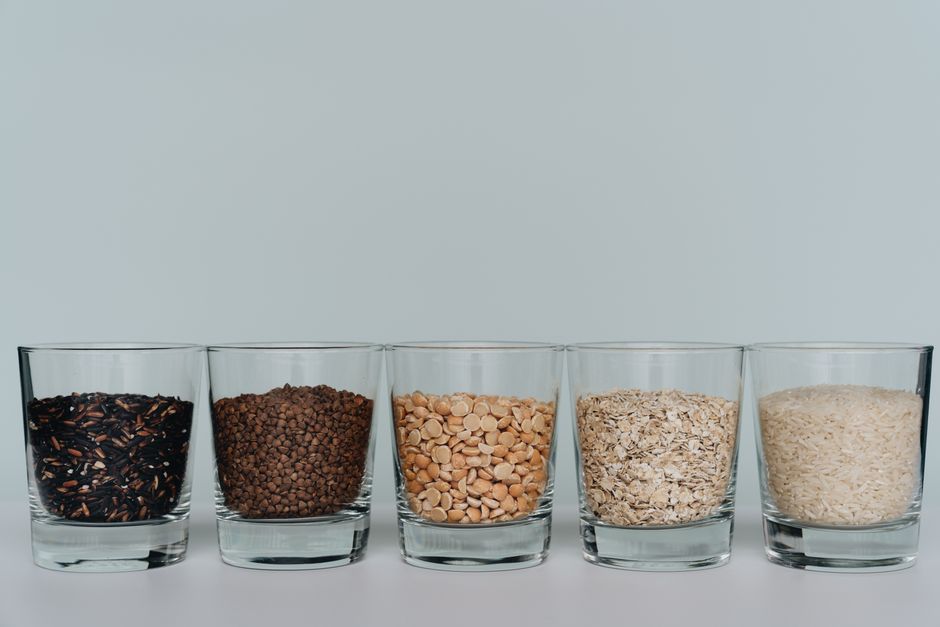
Forty-five grams of protein is a meaningful amount — roughly the size of a full meal for most adults. It is the kind of number you see on nutrition labels, fitness plans, and meal-prep guides, but translating it into real food can be confusing. In plain terms, 45 grams looks like a 6-ounce chicken breast, a large bowl of Greek yogurt with nuts, or a substantial protein shake. This article breaks down what that amount actually looks like across common foods, who might need it, and how to build meals around it without overthinking.
What Does 45G Of Protein Actually Look Like In Common Foods?
Protein amounts vary widely by food type. Animal sources tend to pack more protein per ounce than plant sources, which matters when you are trying to hit a specific target.
Here is what 45 grams looks like in everyday foods:
- Chicken breast: about 6 ounces cooked (roughly the size of two decks of cards)
- Ground beef (85% lean): about 7 ounces cooked
- Salmon: about 7 ounces cooked
- Greek yogurt (plain, non-fat): about 1.5 cups
- Cottage cheese: about 1.5 cups
- Eggs: about 7 large eggs
- Tofu (firm): about 1.5 cups cubed
- Lentils (cooked): about 2.5 cups
- Black beans (cooked): about 2.5 cups
- Whey protein powder: about 1.5 scoops (depending on brand)
Notice the pattern: animal proteins deliver more protein per volume. Plant proteins require larger portions to reach the same number. That is not a judgment — it is just how the math works.
Why 45 Grams Specifically?
Forty-five grams is not a magic number from any single health organization. It is a useful reference point because it falls within common meal-based recommendations.
Research on protein intake for muscle maintenance and growth often suggests distributing protein across meals. Many experts recommend roughly 20 to 40 grams of protein per meal for most adults, depending on body weight, activity level, and goals. Forty-five grams sits at the higher end of that range — a solid target for a larger meal, a post-workout recovery meal, or someone with higher protein needs.
The current Recommended Dietary Allowance (RDA) for protein is 0.8 grams per kilogram of body weight per day. For a 150-pound adult, that is about 54 grams total per day. That figure prevents deficiency but is far below what many researchers consider optimal for muscle preservation, satiety, and metabolic health — especially in older adults or active individuals.
So 45 grams in a single meal is not excessive for most healthy adults. It is simply a substantial serving that moves you well toward your daily total.
Who Actually Needs 45 Grams Per Meal?
Not everyone needs that much protein at one sitting. Your needs depend on body size, activity level, age, and health status.
People who may benefit from 45-gram meals include:
- Athletes and active individuals — especially those doing resistance training or endurance sports
- Older adults — research suggests higher protein intake helps preserve muscle mass with aging
- People recovering from illness or surgery — protein needs increase during recovery
- Anyone actively trying to lose weight — protein increases fullness and helps preserve lean mass during calorie restriction
For a sedentary adult of average weight, 45 grams per meal may be more than necessary. That is not harmful for most people — healthy kidneys handle excess protein fine — but it is not required either.
One important note: people with chronic kidney disease may need to limit protein intake. If you have kidney disease, talk to your doctor before significantly increasing protein consumption.





How To Build A 45-Gram Meal Without Supplements
You do not need protein powder to hit 45 grams. Whole foods can get you there with some planning.
Here are three realistic meal examples:
Breakfast: 1 cup Greek yogurt (about 20g) plus 1/4 cup almonds (about 7g) plus 2 scrambled eggs (about 12g) plus a slice of whole-grain toast (about 4g). Total: roughly 43-45 grams.
Lunch: A salad with 5 ounces of grilled chicken (about 35g), 1/2 cup chickpeas (about 7g), and 1 tablespoon of pumpkin seeds (about 3g). Total: roughly 45 grams.
Dinner: 6 ounces of baked salmon (about 38g) with 1/2 cup of quinoa (about 4g) and a side of steamed broccoli (about 3g). Total: roughly 45 grams.
The key is combining a solid protein source with smaller contributions from sides and toppings. Small amounts add up faster than most people expect.
Plant-Based 45-Gram Meals: What Changes?
Plant proteins work, but they require more volume and often more calories to reach 45 grams.
A plant-based meal hitting 45 grams might look like this:
- 1.5 cups cooked lentils (about 27g)
- 1 cup cooked quinoa (about 8g)
- 1/4 cup sunflower seeds (about 6g)
- 2 tablespoons peanut butter (about 7g)
That combination totals roughly 48 grams. Notice the volume — that is a large bowl of food. The calorie count will also be higher than an equivalent animal-based meal because plant proteins come packaged with carbohydrates and fats.
Another consideration: protein quality. Animal proteins are “complete” — they contain all nine essential amino acids in adequate amounts. Most plant proteins are incomplete, meaning they are low in one or more essential amino acids. This matters less if you eat a varied diet throughout the day, because different plant foods complement each other. But if most of your protein comes from a single plant source, you may want to vary your choices.
Soy is the exception — it is a complete plant protein. Tofu, tempeh, and edamame all provide all essential amino acids.
Does The Body Use All 45 Grams At Once?
This is a common question, and the answer is more nuanced than most social media posts suggest.
Your body does not simply “waste” protein beyond a certain threshold. Research on muscle protein synthesis — the process by which your body builds new muscle protein — suggests there may be a ceiling for how much protein a single meal can use for muscle building in younger adults. Some studies suggest that ceiling is around 20 to 35 grams per meal for muscle-building purposes, though the exact number varies by individual and study design.
However, protein serves many purposes beyond muscle building. It contributes to enzyme production, immune function, hormone synthesis, and satiety. Protein that is not used for muscle synthesis is not wasted — it is used for other bodily functions or oxidized for energy.
For older adults, the picture is slightly different. Research suggests that older adults may need higher per-meal protein doses to trigger the same muscle-building response — some studies point to 30 to 40 grams per meal as a more effective target for this population.
The practical takeaway: a 45-gram meal is not excessive, and your body will use the protein. Whether it all goes to muscle building depends on your age, activity level, and the timing of your meals.
Protein Timing: Does When You Eat It Matter?
For most people, total daily protein intake matters more than exact timing. Hitting your daily target consistently is more important than worrying about a 30-minute “anabolic window” after exercise.
That said, spreading protein across meals has practical benefits. Eating 25 to 45 grams at each meal helps maintain steady amino acid levels throughout the day. It also tends to keep you fuller, which can help with appetite control.
Research on protein distribution suggests that a “pulse” pattern — where one meal contains significantly more protein than others — may be less effective for muscle maintenance than evenly distributing protein across meals. This is especially relevant for older adults, who often eat a small breakfast, a moderate lunch, and a very large dinner. Moving some of that dinner protein to breakfast or lunch may be more beneficial.
For athletes, having protein within a few hours after training is reasonable, but the total daily intake remains the dominant factor for recovery and adaptation.
Common Mistakes When Tracking Protein
People often overestimate or underestimate their protein intake. Here are the most common errors:
Forgetting the protein in sides and snacks. A slice of bread has 3-4 grams. A cup of cooked oatmeal has about 6 grams. A serving of pasta has about 7 grams. These add up over the day.
Overestimating portion sizes. A “palm-sized” piece of chicken is not always 6 ounces. If you are tracking closely, use a food scale at least once to calibrate your eye.
Confusing cooked and raw weights. Meat loses about 25% of its weight when cooked due to water loss. Four ounces of raw chicken becomes about 3 ounces cooked. Nutrition labels and databases typically list cooked values for meat, but not always — check which one you are using.
Assuming all protein sources are equal. A protein bar with 20 grams of protein is not the same as 20 grams from chicken if the bar also contains 15 grams of sugar and minimal other nutrients. The protein itself is similar, but the overall meal quality differs.
Signs You Are Getting Enough (Or Too Much) Protein
Most healthy adults in the U.S. get enough protein without tracking anything. Deficiency is rare outside of specific populations — people with eating disorders, severe malabsorption, very low-calorie diets, or limited food access.
Signs of adequate protein intake include stable energy, normal muscle function, and the ability to recover from workouts or daily activity. You do not need to feel anything specific — adequate protein is mostly invisible.
Signs of insufficient protein are more noticeable: persistent fatigue, hair thinning, slow wound healing, frequent illness, and loss of muscle mass over time. These symptoms can have many causes, so do not self-diagnose — see a doctor if you are concerned.
Excess protein is rarely a problem for healthy people. Very high intakes — above 2 grams per kilogram of body weight daily — may cause digestive discomfort in some people. The bigger practical issue is that high-protein foods often displace other nutrient sources. A diet that is 40% protein may crowd out fruits, vegetables, and whole grains.
Frequently Asked Questions
Can I eat 45 grams of protein in one sitting?
Yes, most healthy adults can comfortably eat 45 grams of protein in a single meal. Your body will use the protein for muscle building, other bodily functions, or energy — it is not wasted.
Is 45 grams of protein too much for one meal?
For most healthy adults, no. It is at the higher end of typical per-meal recommendations but well within safe limits. People with kidney disease should check with their doctor first.
How many eggs equal 45 grams of protein?
About 7 large eggs provide roughly 45 grams of protein. Each large egg contains about 6 grams.
What is the best way to get 45 grams of protein without meat?
Combine plant proteins like lentils, quinoa, tofu, beans, and nuts. A bowl with 1.5 cups of lentils, 1 cup of quinoa, and seeds or nut butter reaches 45 grams.
