
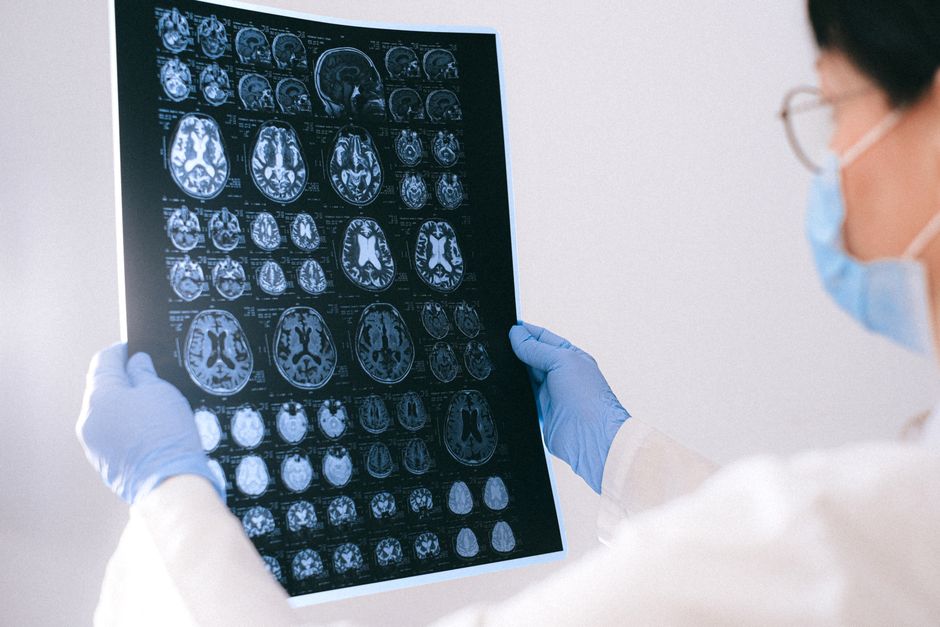
If you are wondering what doctor treats Alzheimer’s, the short answer is a neurologist. Neurologists specialize in brain and nervous system disorders and are the physicians most often responsible for diagnosing and managing Alzheimer’s disease. Other doctors also play important roles, including geriatricians (who focus on older adults), psychiatrists (who manage mood and behavior symptoms), and the primary care doctor who often spots the first signs and coordinates care.
Alzheimer’s disease is a progressive brain disorder and the most common cause of dementia. There is no cure. But several medications and care strategies can slow symptom progression for a time and improve quality of life. Understanding who treats the disease, and what those treatments actually do, helps patients and families make clearer decisions.
What Doctor Treats Alzheimer’s Disease?
A neurologist is the specialist most often involved in diagnosing and managing Alzheimer’s disease. Neurologists have training in conditions that affect the brain, including memory loss and dementia.
In practice, care usually involves more than one doctor. Which professionals you see depends on symptoms, stage of disease, and where you live.
- Primary care physician: Often the first point of contact. Can run initial cognitive screening, rule out reversible causes of memory loss, and refer onward.
- Neurologist: Confirms diagnosis, orders testing, and prescribes and monitors Alzheimer’s medications.
- Geriatrician: Specializes in health care for older adults and often manages multiple conditions alongside dementia.
- Psychiatrist or geriatric psychiatrist: Treats depression, anxiety, agitation, and other behavioral symptoms that can accompany Alzheimer’s.
- Neuropsychologist: Performs detailed cognitive testing to clarify diagnosis and track changes over time.
Some health systems have memory clinics that bring these specialists together in one place. That model can reduce the number of separate appointments a family has to manage.
How Is Alzheimer’s Diagnosed?
No single test confirms Alzheimer’s disease. Diagnosis is built from several pieces of information, and it is as much a process of ruling out other causes as it is of identifying Alzheimer’s.
A doctor typically starts with a medical history, including input from a family member or close friend. They ask about memory changes, when they started, and how they affect daily life. They then assess mental status with standardized cognitive tests.
Blood tests are used to check for conditions that can mimic dementia, such as thyroid problems or vitamin B12 deficiency. Brain imaging, such as MRI or CT, can rule out tumors, strokes, and other structural causes. In some cases, doctors use spinal fluid tests or PET scans that detect amyloid, a protein that builds up in the brains of people with Alzheimer’s.
One clarification worth knowing: a definitive diagnosis of Alzheimer’s has traditionally required examination of brain tissue. In living patients, doctors make a probable diagnosis based on the full clinical picture. Advances in biomarker testing are changing how confidently Alzheimer’s can be identified during life, though access to these tests varies widely.
What Medications Are Used to Treat Alzheimer’s?
Two main classes of prescription medication are approved for Alzheimer’s in the United States. Neither stops the disease. Both can modestly slow the worsening of symptoms for some people, and the benefit varies from person to person.
Cholinesterase inhibitors are commonly prescribed for mild to moderate Alzheimer’s. This group includes donepezil, rivastigmine, and galantamine. These drugs work by increasing levels of acetylcholine, a chemical messenger involved in memory and learning. Common side effects include nausea, diarrhea, and loss of appetite.
Memantine is used for moderate to severe Alzheimer’s. It works through a different brain pathway than cholinesterase inhibitors and is sometimes prescribed alongside them. Side effects are generally mild but can include dizziness and headache.
In recent years, a newer category of drugs has been approved that targets amyloid buildup in the brain. These are monoclonal antibody treatments given by infusion. They represent a genuinely different approach, but the evidence requires careful reading. Clinical trials have shown they can reduce amyloid in the brain and modestly slow cognitive decline on standardized measures. Whether that translates into noticeable day-to-day benefit for patients and families is still debated, and the effects appear small. These drugs also carry risks, including brain swelling and bleeding, which require monitoring with imaging. They are not appropriate for everyone, and eligibility depends on confirmation of amyloid and other clinical factors.
Anyone considering these treatments should discuss the realistic benefits and risks with a neurologist who can review their specific situation. The evidence is real but limited, and it is reasonable to have questions.
What Non-Drug Treatments and Care Approaches Help?
Medication is only one part of Alzheimer’s care. Non-drug approaches address daily function, safety, behavior, and quality of life, and for many families they matter as much as prescriptions.
Structured routines and predictable schedules can reduce confusion and agitation. So can simplifying the home environment and removing hazards like loose rugs and poor lighting. Occupational therapists can assess a home and suggest practical changes.
Physical exercise is one of the better-supported non-drug measures. Some studies suggest regular activity may help maintain function and mood in people with dementia, though the evidence is not strong enough to claim it changes the course of the disease. Social engagement and cognitive activity are often recommended for similar reasons, with more modest supporting evidence.
Behavioral symptoms such as agitation and aggression are often managed first with environmental and caregiving strategies rather than medication. This reflects a broad clinical consensus that drug treatment for behavior should be used cautiously in people with dementia, given risks including confusion and increased fall risk.
Support for caregivers is a treatment component in its own right. Caregiver education and respite programs can reduce burnout and help sustain home care. Family doctors and social workers can connect families to these resources.
When Should You See a Doctor About Memory Changes?
Memory changes that interfere with daily life warrant a medical evaluation. That includes forgetting recently learned information, struggling with familiar tasks, getting lost in familiar places, or having trouble finding words.
Not all memory lapses signal Alzheimer’s. Some are a normal part of aging, and others stem from treatable causes like depression, sleep problems, medication side effects, or thyroid issues. This is exactly why evaluation matters. Some causes of cognitive change can be reversed or managed.
Bring a family member or friend to the appointment if possible. They can describe changes the patient may not notice. Early evaluation gives more time to plan, discuss treatment options, and address safety and legal matters while the person can still participate in decisions.
Who Should Be on the Care Team?
Alzheimer’s care works best as a team effort. The neurologist or geriatrician leads medical management, but several other professionals contribute.
A primary care doctor coordinates overall health, manages other conditions, and helps prevent medication conflicts. Nurses and nurse practitioners often handle ongoing monitoring and family education. Social workers help with resources, insurance, and long-term planning. Physical and occupational therapists address mobility and daily function. Dietitians and mental health professionals round out care when needed.
As the disease progresses, the balance of the team shifts. Early on, the focus is diagnosis and treatment planning. Later, the emphasis moves toward safety, comfort, and supporting caregivers. Knowing who does what at each stage helps families avoid gaps in care.
Frequently Asked Questions
What type of doctor is best for Alzheimer’s?
A neurologist is the specialist most often responsible for diagnosing and treating Alzheimer’s disease. A geriatrician is also a strong choice, especially for older adults managing multiple health conditions.
Can a primary care doctor diagnose Alzheimer’s?
A primary care doctor can perform initial cognitive screening and order tests to rule out other causes. Confirming an Alzheimer’s diagnosis and starting treatment usually involves referral to a neurologist or memory clinic.
Do Alzheimer’s medications stop the disease?
No. Currently approved medications can modestly slow symptom progression for some people but do not stop or reverse Alzheimer’s disease. Benefits and risks vary by drug and by person.
Is there a cure for Alzheimer’s disease?
No cure exists. Treatment focuses on managing symptoms, slowing decline where possible, and supporting daily function and quality of life.
