
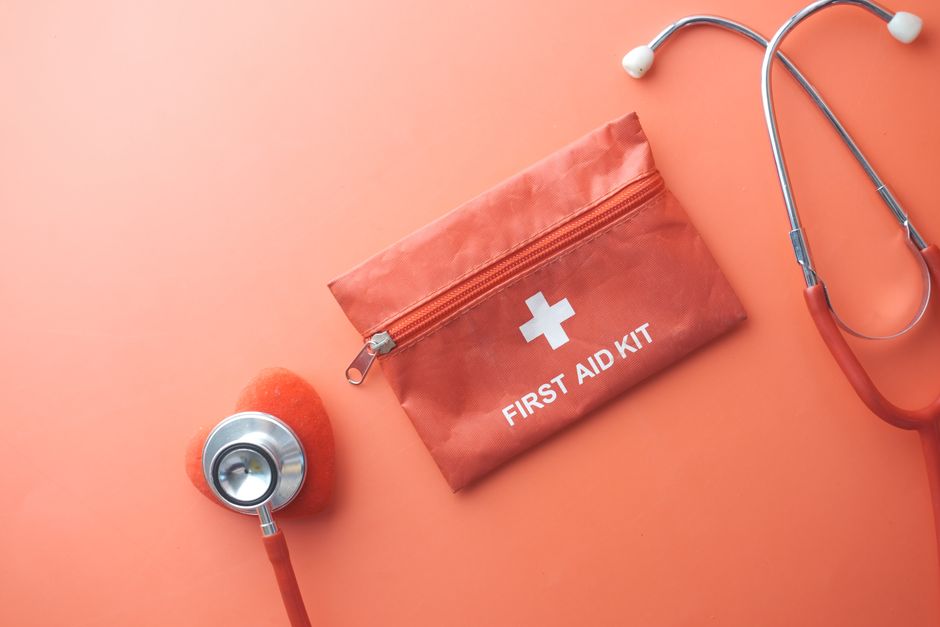
Most people know first aid as the help you give someone who is injured or suddenly ill before professional medical care arrives. It is not about replacing doctors or paramedics. It is about taking simple, immediate action that can prevent a condition from getting worse and, in some cases, save a life. Knowing what to do in those first few minutes matters more than most people realize. Whether it is a cut, a burn, a choking child, or a cardiac arrest, the steps you take before emergency services arrive can change the outcome.
What Is the Primary Goal of First Aid?
The main goal of first aid is to preserve life. Everything else comes second. When you step in to help, you are trying to keep the person alive and stable until a higher level of care is available.
There are three core objectives taught in most first aid courses. The first is to preserve life by addressing immediate threats like severe bleeding or blocked breathing. The second is to prevent the condition from worsening, which might mean keeping someone still if you suspect a spinal injury. The third is to promote recovery, which can be as simple as cleaning a wound properly or comforting someone who is in distress.
What Are the Most Common First Aid Emergencies?
Some emergencies are far more common than others. Cuts and scrapes, minor burns, sprains, and nosebleeds are everyday events that most people can handle with basic knowledge. These do not usually require a call to emergency services, but they do require correct care to prevent infection or further injury.
More serious situations include choking, severe allergic reactions, heart attacks, strokes, and heavy bleeding. These require immediate recognition and action. For example, recognizing the signs of a stroke quickly can determine whether a person receives time-sensitive treatment that limits brain damage. The same applies to cardiac arrest, where every minute without CPR reduces the chance of survival.
How Does CPR Actually Work?
Cardiopulmonary resuscitation, or CPR, is a technique used when someone’s heart has stopped beating. When the heart stops, blood stops carrying oxygen to the brain and other organs. Brain damage can begin within minutes. CPR manually pumps blood through the body by compressing the chest.
When you push hard and fast in the center of the chest, you are physically squeezing the heart between the breastbone and the spine. This forces a small amount of oxygenated blood to the brain and heart. It is not a full replacement for a normal heartbeat, but it buys time until a defibrillator can be used or advanced medical help arrives.
Current guidelines from major resuscitation organizations recommend compressions at a rate of 100 to 120 per minute and a depth of about two inches in an adult. If you are untrained or unsure, hands-only CPR — compressions without rescue breaths — is still far better than doing nothing. The most important action is calling emergency services and starting compressions immediately.



What Do You Know About First Aid for Bleeding?
Severe bleeding is one of the most time-critical emergencies. When an artery is cut, a person can lose a dangerous amount of blood in under a minute. The first step is to apply firm, direct pressure to the wound with a clean cloth or your gloved hand. Do not remove the cloth if it becomes soaked. Add more cloth on top and keep pressing.
If bleeding does not stop with direct pressure, a tourniquet may be needed for arm or leg wounds. Tourniquets are tight bands placed above the wound to stop blood flow. They are now widely used by military and civilian first responders because research shows they save lives. A tourniquet should be applied only for life-threatening bleeding and should be left in place until medical professionals take over. The old advice about loosening a tourniquet every few minutes is no longer recommended — once it is on, it stays on.
For minor cuts and scrapes, the goal is different. You want to clean the wound with clean water, apply gentle pressure to stop the bleeding, and cover it with a sterile dressing. This reduces the risk of infection and allows the body to heal naturally.
How Do You Help Someone Who Is Choking?
Choking happens when an object blocks the airway. The universal sign for choking is hands clutched to the throat. A person who is choking cannot speak, cough effectively, or breathe. If someone can cough or speak, encourage them to keep coughing. Do not hit them on the back while they are still able to cough forcefully.
If the airway is completely blocked, abdominal thrusts — commonly known as the Heimlich maneuver — are the standard response for adults and children over one year old. You stand behind the person, wrap your arms around their waist, make a fist with one hand, and press into their abdomen with quick upward thrusts. This forces air out of the lungs and can dislodge the object.
For infants under one year, the technique is different. You place the baby face-down on your forearm, supporting the head, and give five firm back blows between the shoulder blades. Then turn the baby over and give five chest thrusts. Alternate until the object comes out or the baby becomes unresponsive. If the person becomes unresponsive, lower them to the ground, call emergency services, and begin CPR.
What Should You Do for Burns?
Burns are common, and most are minor. The immediate response to a thermal burn is to cool the burned area with running cool water for at least 20 minutes. This stops the burning process and reduces pain and tissue damage. Do not use ice, butter, or ointments on a fresh burn. Ice can cause further tissue damage, and ointments trap heat.
After cooling, cover the burn loosely with a sterile, non-stick dressing or clean cloth. Do not pop blisters. Blisters are the body’s natural protective covering. Popping them increases the risk of infection. If the burn is larger than the person’s palm, is on the face, hands, feet, or genitals, or is deep and charred, seek medical care immediately.
Chemical burns require a different approach. The priority is to remove the chemical from the skin by flushing with large amounts of water. Remove any contaminated clothing carefully. For electrical burns, even ones that look small on the surface, medical evaluation is needed because internal damage can be far worse than the visible wound.
How Do You Recognize a Heart Attack or Stroke?
Heart attacks and strokes are medical emergencies where time is muscle and brain. Recognizing the signs early can be the difference between full recovery and permanent damage.
For a heart attack, common signs include chest pain or pressure that may spread to the arm, jaw, or back. Shortness of breath, cold sweat, nausea, and lightheadedness are also common. Women may experience less typical symptoms like unusual fatigue or indigestion. If you suspect a heart attack, call emergency services immediately. Do not drive the person to the hospital yourself. Emergency responders can begin treatment in the ambulance.
For a stroke, the FAST acronym is a reliable tool. F stands for face drooping on one side. A stands for arm weakness or numbness on one side. S stands for speech difficulty, such as slurred or strange speech. T stands for time — if any of these signs are present, call emergency services immediately. Stroke treatments like clot-busting drugs are time-sensitive and work best when given within a few hours of symptom onset.
What Is in a Basic First Aid Kit?
A well-stocked first aid kit does not need to be expensive or complicated. It needs to contain items that address the most common problems you are likely to encounter at home, in the car, or while traveling.
Basic supplies include adhesive bandages in multiple sizes, sterile gauze pads, adhesive tape, antiseptic wipes, antibiotic ointment, burn cream, scissors, tweezers, disposable gloves, and a CPR face shield. A digital thermometer and over-the-counter pain relievers are also useful additions. Check the kit every few months and replace expired items or anything you have used.
For people with known medical conditions, the kit should include condition-specific items. Someone with severe allergies should carry an epinephrine auto-injector. Someone with asthma should have a rescue inhaler. These are prescription items, and their use should be reviewed with a doctor.
What Are the Legal and Safety Considerations?
Many people hesitate to help because they fear being sued. In the United States, every state has a Good Samaritan law that protects people who provide reasonable emergency assistance from legal liability. These laws vary by state, but they generally protect you as long as you act in good faith, within your level of training, and do not act with gross negligence.
Your safety comes first in any emergency. Before you approach a scene, check for hazards like traffic, fire, smoke, or downed power lines. Do not become a second victim. If the scene is unsafe, call emergency services and wait for trained responders. Wearing disposable gloves when handling blood or body fluids is standard practice to protect yourself from bloodborne pathogens.
Frequently Asked Questions
How often should I renew my first aid certification?
Most first aid and CPR certifications are valid for two years. Guidelines can change, so taking a refresher course every two years is recommended to keep your skills current.
Is it better to call an ambulance or drive someone to the hospital?
Call an ambulance for any life-threatening emergency like chest pain, stroke symptoms, severe bleeding, or difficulty breathing. Emergency responders can provide treatment on the way, which is something you cannot do while driving.
Can I use honey on a burn?
Some research suggests honey has antibacterial properties that may help with certain wound types, but it is not a standard first aid treatment for fresh burns. Cool running water remains the first and most important step for any burn.
What if I do CPR wrong?
Doing CPR imperfectly is far better than doing nothing. Even hands-only compressions at the wrong depth can circulate some blood. The only truly wrong action is failing to act when someone is unresponsive and not breathing normally.
