
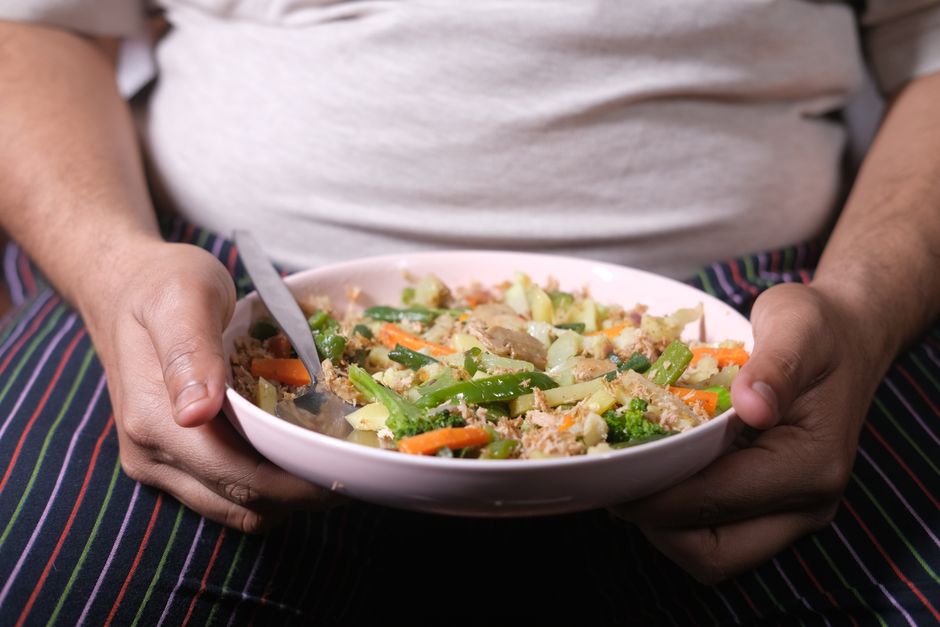
When diarrhea hits, the right foods can calm your gut and replace what you have lost. Plain, low-fiber foods are the safest choice: bananas, white rice, applesauce, toast, boiled potatoes, and clear broths. These are bland, easy to digest, and help firm up loose stools while your intestines recover.
Diarrhea means your colon is moving contents through faster than normal, so it has less time to absorb water. That is why stools turn loose or watery. Eating the right foods supports the gut while it settles, and avoiding the wrong ones keeps it from getting worse. Most cases of acute diarrhea in healthy adults improve on their own within a few days, and food choices can make that stretch more comfortable.
What Do You Eat When You Have Diarrhea Foods That Help?
The core principle is simple: choose foods that are low in fiber, low in fat, and easy to digest. Fiber speeds transit through the gut, and fat can be harder to absorb when digestion is off. Bland, starchy foods slow things down and are gentle on an irritated lining.
The classic set many clinicians still suggest is the BRAT approach — bananas, rice, applesauce, and toast. It is not a complete diet, and it was never meant to be followed for long. But as a starting point during the worst of it, these foods are well tolerated and unlikely to make things worse.
Foods that generally help include:
- Bananas — soft, low in fiber, and a source of potassium, which you lose with diarrhea
- White rice — plain, no butter or heavy sauce
- Applesauce — the cooked, smooth form, not a whole raw apple
- Plain toast or crackers — white bread rather than whole grain during the acute phase
- Boiled or baked potatoes without the skin
- Clear broths and soups — these help replace fluid and salt
- Plain cooked eggs
- Lean, well-cooked chicken or turkey without skin
- Plain pasta or noodles
One clarification worth making: applesauce helps, but a whole raw apple with skin does not. The skin is high in fiber, and fiber is the opposite of what an irritated gut needs in the short term. Same food, very different effect depending on how it is prepared.
Which Foods Should You Avoid Until You Feel Better?
Some foods reliably make diarrhea worse, and skipping them for a few days gives your gut a better chance to recover. The main culprits are high-fat foods, high-fiber foods, dairy (for some people), caffeine, alcohol, and anything very spicy or very sweet.
Fat is harder to digest and can speed up the gut. Fiber adds bulk and pulls water into the stool. Caffeine stimulates the intestines. Alcohol irritates the stomach lining and can worsen dehydration. Artificial sweeteners like sorbitol and mannitol draw water into the bowel and can loosen stools further.
Foods to hold off on include:
- Fried foods and greasy meals
- Whole grains, bran, and raw vegetables
- Beans and legumes, which are high in fiber and can cause gas
- Fresh fruit with skins and seeds
- Milk, ice cream, and rich dairy — lactose can be hard to digest during diarrhea, even in people who normally tolerate it
- Coffee, tea with caffeine, and alcohol
- Very spicy foods
- Sugar-free gum and candies made with sorbitol or mannitol
Dairy deserves a note. Diarrhea can temporarily reduce the enzymes your gut uses to break down lactose, so milk that normally sits fine may cause more gas and loose stool while you are sick. Yogurt with live cultures is sometimes recommended, but the evidence for it during acute diarrhea is mixed. If dairy seems to worsen things, set it aside until you are back to normal.
Why Does Fluid Matter as Much as Food?
Dehydration is the most serious risk from diarrhea, and it can happen faster than most people expect. Every loose stool carries away water and electrolytes — sodium, potassium, and chloride — that your body needs. Replacing those losses matters more than any single food.
Plain water alone is not always enough. When you lose electrolytes, drinking only water can dilute what is left in your body. Oral rehydration solutions are designed to replace both water and salts in the right balance. These are widely available at pharmacies, and the World Health Organization has long endorsed oral rehydration as the standard approach for replacing fluid losses from diarrhea.
Signs of dehydration to watch for include thirst, dark yellow urine, urinating less often, dry mouth, tiredness, and dizziness when standing. In young children and older adults, dehydration can become serious quickly, so these groups need closer attention.
Broth, diluted juice, and sports drinks can help, though sports drinks are high in sugar and low in the right balance of salts for significant diarrhea. Oral rehydration solution is the better choice when losses are substantial. If you cannot keep fluids down, or signs of dehydration are worsening, that is a reason to seek medical care rather than push through at home.
How Should You Reintroduce Food as You Recover?
You do not need to stay on bland food forever. As stools firm up and your appetite returns, add foods back gradually, one at a time, and watch how your gut responds. Most people can return to a normal diet within a few days.
Start with the gentle foods and small portions. If those sit well, add soft cooked vegetables, lean proteins, and eventually whole grains and raw produce. Going straight back to a heavy, high-fat, or high-fiber meal too soon can trigger another round of loose stools.
There is no strict timeline that fits everyone. Recovery depends on what caused the diarrhea, your age, and your general health. A mild bout from a passing infection tends to resolve faster than diarrhea from a medication or a chronic condition. Let your body’s response guide the pace rather than a fixed schedule.
When Is Diarrhea a Reason to See a Doctor?
Most acute diarrhea is self-limiting and does not require medical treatment. But some signs point to something that needs a clinician’s attention, and it is better to be checked than to wait.
Seek medical care if you have:
- Blood or black material in your stool
- High fever
- Severe abdominal or rectal pain
- Signs of dehydration that are not improving
- Diarrhea lasting more than a couple of days in an adult, or sooner in a child
- Vomiting so persistent you cannot keep fluids down
- Recent antibiotic use, hospitalization, or travel
Certain groups should be seen sooner rather than later: older adults, young children, pregnant women, and anyone with a weakened immune system or a chronic condition. Diarrhea can be more dangerous in these groups because dehydration and complications develop faster.
Over-the-counter anti-diarrheal medicines are widely used, but they are not right for every case. They should not be used if there is blood in the stool or a high fever, because slowing the gut in those situations can trap the cause inside. Some clinicians advise caution with these medicines in general, and it is worth asking a pharmacist or doctor before using them, especially if symptoms are severe or lasting.
Does Diet Alone Fix Diarrhea?
Diet supports recovery, but it does not treat the underlying cause. Diarrhea has many triggers — viral or bacterial infections, food poisoning, medications, food intolerances, and chronic conditions like irritable bowel syndrome or inflammatory bowel disease. Food choices help manage symptoms while the cause resolves or is treated.
For a mild, short-lived case, bland foods, fluids, and rest are usually enough. For diarrhea that keeps coming back, lasts longer than expected, or comes with other symptoms, the cause needs to be identified. A change in diet will not fix an infection that needs treatment or a condition that requires medical management.
The practical takeaway is straightforward: eat bland, low-fiber, low-fat foods, drink to replace lost fluids and salts, and avoid what irritates the gut. Give it a few days. If it does not improve, or if warning signs appear, get medical advice.
Frequently Asked Questions
What is the best food to eat first when you have diarrhea?
Plain white rice or a banana is a gentle first choice because both are low in fiber and easy to digest. Start with small amounts and see how your gut responds.
Can I drink milk when I have diarrhea?
It is often better to avoid milk during diarrhea, since the gut can temporarily struggle to digest lactose and dairy may worsen gas and loose stools. Reintroduce it once you are back to normal.
How long should I stay on bland foods?
Most people can start adding regular foods back within a few days as stools firm up. Add one food at a time and return to bland choices if symptoms flare again.
Is yogurt good for diarrhea?
Some people tolerate plain yogurt with live cultures, but the evidence that it helps during acute diarrhea is mixed. If dairy seems to make things worse, skip it until you recover.
