
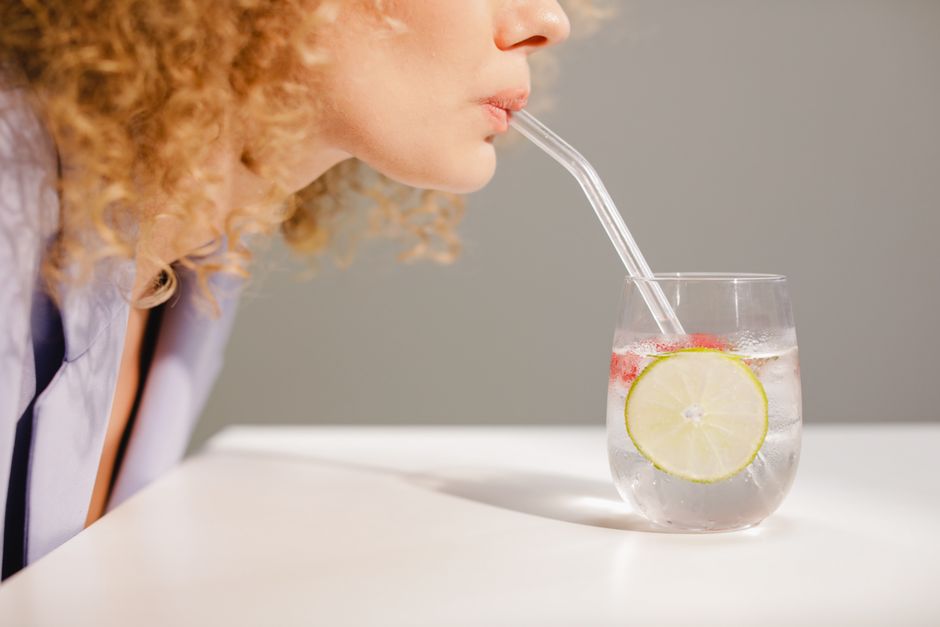
For most CT scans, you drink plain water. You may also be asked to drink an oral contrast solution that contains iodine or barium, which helps certain parts of your digestive tract show up more clearly on the images. What you drink depends entirely on which body area is being scanned and what your doctor needs to see.
The preparation instructions come from the imaging center or hospital performing the scan. Follow those instructions exactly — they override any general guidance you read online, including this article.
What Do You Drink For A CT Scan?
Water is the default for many scans, and oral contrast is used only when the radiologist needs to distinguish the bowel from surrounding tissue. There is no single universal drink for a CT scan. The choice depends on the body part being studied and the protocol the radiology team uses.
Here is how the options generally break down:
- Plain water — commonly used to fill the stomach and bowel so they are easier to tell apart from nearby organs. Some centers use water alone for scans of the abdomen and pelvis.
- Iodine-based oral contrast — a liquid that contains iodine and shows up bright on X-ray images. It helps highlight the small and large intestine.
- Barium sulfate suspension — a chalky white liquid that coats the lining of the digestive tract. It is used in some gastrointestinal imaging studies.
Not every CT scan requires you to drink anything at all. Scans of the head, chest, or sinuses usually need no oral preparation. Your instructions will tell you whether drinking is part of your specific scan.
Why Does a CT Scan Sometimes Require Oral Contrast?
Oral contrast makes the bowel visible as a distinct structure. On a CT image, soft tissue in the intestines can look similar to nearby organs. A contrast liquid changes how X-rays pass through that area, so the radiologist can see the boundaries more clearly.
This matters most when looking for inflammation, blockages, tumors, or abscesses in the abdomen and pelvis. The contrast does not treat anything. It is purely a viewing aid.
Some modern protocols use water instead of iodine or barium contrast for certain abdominal scans. Water distends the stomach and bowel, which can be enough to separate structures. Whether your center uses water, iodine, barium, or nothing at all is a decision made by the radiology team based on what the scan is looking for.
What Is the Difference Between Iodine and Barium Oral Contrast?
Both contain a substance that blocks X-rays, which is why they appear bright white on the images. The main differences are taste, texture, and where each is typically used.
| Feature | Iodine-based contrast | Barium sulfate |
|---|---|---|
| Appearance | Clear to slightly yellow liquid | Chalky white liquid |
| Taste | Often described as mildly bitter or metallic; some brands are flavored | Chalky, thick texture; flavoring varies |
| Common use | CT scans of the abdomen and pelvis | Some CT and fluoroscopy studies of the GI tract |
| Key caution | Contains iodine — tell staff about iodine allergy or thyroid conditions | Generally avoided if there is concern about a bowel perforation |
If you have a known allergy to iodine or contrast dye, or a thyroid condition, tell the imaging staff before your appointment. They can adjust the protocol or choose a different approach. This is a routine conversation, not a reason to cancel the scan on your own.
How Far in Advance Do You Drink Contrast Before a CT Scan?
Timing varies by protocol and by imaging center. Some scans require you to start drinking contrast a set number of hours before your appointment. Others have you drink it at the facility shortly before the scan.
Because the timing is specific to your scan, do not guess. The scheduling staff will give you a written schedule. If your instructions are unclear, call the imaging center and ask. Drinking contrast at the wrong time can affect image quality, which may mean the scan has to be repeated.
Some centers ask you to arrive early specifically to drink the contrast on site. Others send you home with a bottle and a timetable. Both approaches are common.
Can You Eat or Drink Anything Else Before a CT Scan?
Many abdominal CT scans with contrast require you to avoid solid food for several hours beforehand. Clear liquids are often allowed. Fasting rules exist because food in the stomach and bowel can interfere with the images.
Whether you need to fast, and for how long, depends on your specific scan and whether intravenous (IV) contrast will also be used. IV contrast is given through a vein, not by mouth, and it has its own preparation considerations.
Do not skip the water or contrast you were told to drink, even if you are fasting from food. Those are separate instructions. If you are unsure which liquids are allowed, ask before your appointment rather than deciding on the day.
What Should You Tell the Imaging Staff Before Drinking Contrast?
Tell the staff about allergies, kidney problems, thyroid conditions, and pregnancy. These details affect which contrast — if any — is appropriate for you.
Iodine-containing contrast can be a concern for people with certain thyroid conditions or a history of reaction to contrast. Barium is generally avoided when there is a concern about a tear or perforation in the bowel. Your care team needs this information to choose safely.
If you are pregnant or think you might be, say so before any scan. The staff will weigh the reason for the scan against any risk, and that decision belongs with your doctor and the radiology team.
One detail people often miss: a previous mild reaction to contrast does not automatically rule out contrast for a future scan. It does need to be reported, because the team may take steps such as using a different type of contrast or premedication. That decision is made case by case, not by the patient alone.
What If You Cannot Tolerate the Contrast Liquid?
Some people find the taste or volume difficult. If you cannot finish the required amount, tell the staff. Do not simply stop and say nothing. The radiology team can sometimes adjust the protocol or note the limitation.
Drinking the contrast slowly, chilling it, or using a straw are common practical tips people share. These are not official medical recommendations, but they are widely used and generally harmless. Ask your imaging center if they have specific suggestions.
If you feel nauseated or vomit after drinking contrast, report it. In rare cases, barium can cause constipation or, less commonly, a bowel blockage, especially if you are dehydrated or have a history of constipation. Drink plenty of fluids after the scan unless told otherwise, and contact your doctor if you have not had a bowel movement for an unusual length of time or have abdominal pain afterward.
Does Everyone Need to Drink Something for a CT Scan?
No. Many CT scans require no oral preparation at all. The need to drink water or contrast depends on the body area being imaged and what the scan is looking for.
Head, chest, and sinus scans typically do not involve drinking anything. Abdominal and pelvic scans are more likely to involve oral contrast or water, but even then, protocols vary between facilities and have changed over time. Some centers have moved away from routine oral contrast for certain studies.
The bottom line is simple: your instructions are specific to your scan. Follow them. If you were not told to drink anything, do not assume you should. If you were, do not skip it.
Frequently Asked Questions
What do you drink before a CT scan?
Most people drink plain water or an oral contrast liquid containing iodine or barium, depending on the scan. Your imaging center will tell you exactly what to drink and when.
Can I drink water before a CT scan?
Yes, water is often allowed and sometimes required before an abdominal CT scan. Follow your specific instructions, since some scans ask you to drink water and others do not.
How long before a CT scan do you drink contrast?
Timing varies by protocol and facility, so there is no single answer. Your imaging center will give you a written schedule, and you should follow it exactly.
What happens if you don’t drink the contrast before a CT scan?
The scan may be less clear, and it could need to be repeated. Tell the staff if you could not finish the contrast rather than staying silent.
