
If you have conjunctivitis, the first thing to do is stop and figure out what type you have, because that determines everything that follows. Most cases are caused by a virus, bacteria, or an allergic reaction, and each one is handled differently. See a doctor promptly if you have eye pain, sensitivity to light, blurred vision, or if your symptoms are getting worse instead of better.
What Do You Do If You Have Conjunctivitis?
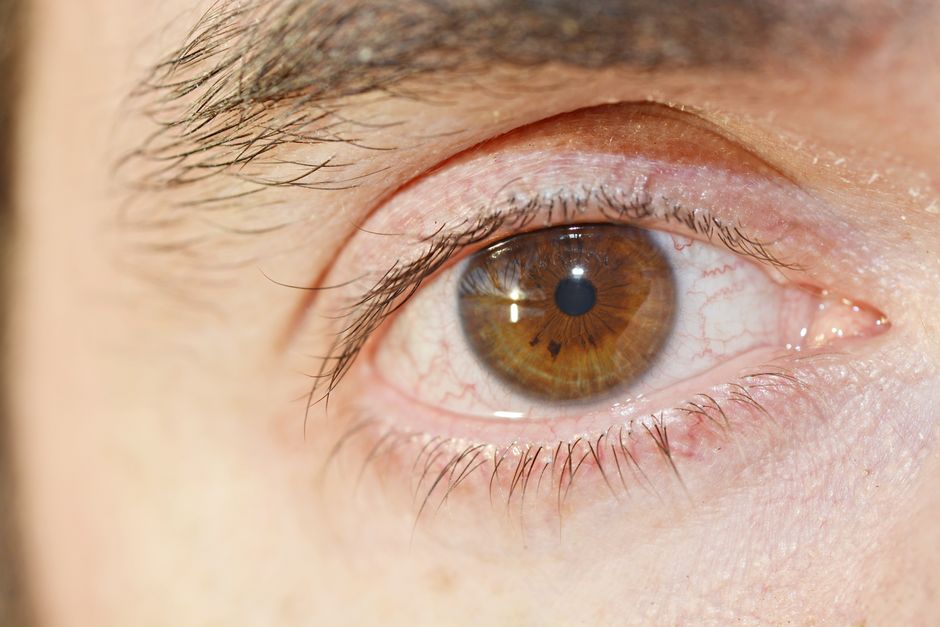
Conjunctivitis means inflammation of the conjunctiva — the thin, clear membrane that lines the inside of your eyelid and covers the white part of your eye. When it becomes irritated or infected, the small blood vessels in that membrane swell and become more visible. That is why the white of your eye turns pink or red.
The right response depends on the cause. Viral conjunctivitis usually clears on its own within one to two weeks. Bacterial conjunctivitis often improves without treatment in a similar timeframe, though antibiotic drops may shorten it. Allergic conjunctivitis improves when you remove the allergen and may respond to antihistamine eye drops.
What you should not do is reach for leftover antibiotic drops from a previous infection. They will not help a viral or allergic cause, and using them unnecessarily contributes to antibiotic resistance.
How Do You Know Which Type of Conjunctivitis You Have?
The type matters because the treatment is different for each one. Here is how the three main types typically compare:
| Feature | Viral | Bacterial | Allergic |
|---|---|---|---|
| Discharge | Watery | Thick, yellow or green | Watery, stringy |
| Itching | Rare | Rare | Common, often severe |
| Eyes affected | Often starts in one, spreads to both | Usually one eye | Usually both |
| Eyelid swelling | Mild | Moderate | Mild to moderate |
| Contagious | Yes, highly | Yes | No |
These patterns are useful guides, not absolute rules. A doctor can usually tell the difference during an exam, and sometimes testing is needed when the picture is unclear.
One detail people often get wrong: the color of the discharge alone does not reliably tell you whether the cause is bacterial. Some studies have found that thick, colored discharge can occur with viral infections too. This is one reason clinical evaluation matters more than self-diagnosis based on appearance.
What Should You Do at Home If You Have Conjunctivitis?
Home care focuses on comfort and preventing spread. These steps apply regardless of the type:
- Apply a clean, cool compress to closed eyelids to reduce swelling and irritation.
- Wash your hands often with soap and water, especially after touching your eyes or face.
- Use a fresh towel and washcloth each day. Do not share them.
- Stop wearing contact lenses until the infection clears and your doctor says it is safe to resume.
- Clean your eyeglasses regularly.
- Throw away eye makeup you used while infected, and do not share makeup.
- Avoid touching or rubbing your eyes.
For allergic conjunctivitis, the most effective step is removing the allergen. If it is pollen, keeping windows closed and using air conditioning can help. Over-the-counter artificial tears can rinse allergens from the eye surface. Some antihistamine eye drops are available without a prescription, but check with a pharmacist or doctor before using them, especially if you take other medications.
Do not use a homemade saltwater solution or any improvised eye rinse. The eye is delicate, and non-sterile liquids can introduce infection.
When Should You See a Doctor for Conjunctivitis?
Most cases are mild and self-limiting. Certain situations need prompt medical attention:
- Moderate to severe eye pain
- Sensitivity to light or blurred vision that does not clear when you blink
- Intense redness in one eye
- Symptoms that worsen after 24 to 48 hours of home care
- No improvement after one week
- A weakened immune system from illness or medication
- Recent eye surgery or a history of eye disease
- Contact lens wear, especially if the eye is painful or red
These signs can indicate a more serious condition such as a corneal infection, which needs different treatment. Contact lens wearers are at particular risk because certain organisms can cause serious corneal infections that progress quickly. If you wear contacts and develop a painful red eye, remove the lenses and seek care the same day.
Is Conjunctivitis Contagious?
Viral and bacterial conjunctivitis are contagious. Allergic conjunctivitis is not.
Viral conjunctivitis spreads through direct contact with contaminated hands, objects, or respiratory droplets. It is often associated with the same viruses that cause the common cold. A person is typically contagious while symptoms are present.
Bacterial conjunctivitis spreads through contact with infected discharge, either directly or through shared items like towels or makeup.
To reduce spread, stay home from work or school while symptoms are active, especially if you have significant discharge or tearing. Keep your hands away from your eyes. Wash pillowcases frequently. Do not share eye drops — even within a household, a bottle can become contaminated.
What About Antibiotic Drops for Conjunctivitis?
Antibiotic eye drops are sometimes prescribed for bacterial conjunctivitis. Whether they help meaningfully is debated. Many cases of bacterial conjunctivitis resolve on their own. Research has generally found that antibiotics may shorten the duration of symptoms modestly, but the difference is often small.
Some clinicians recommend a short course of antibiotic drops for certain situations, such as when the infection is severe or when a person has a weakened immune system. Others take a watchful waiting approach for mild cases.
What is clear: antibiotic drops do not treat viral or allergic conjunctivitis. Using them for those causes exposes you to side effects and contributes to the broader problem of antibiotic resistance.
If you are prescribed antibiotic drops, follow the instructions exactly. Do not stop early because your eye looks better. Do not save leftover drops for future use.
How Long Does Conjunctivitis Last?
Viral conjunctivitis usually resolves within one to two weeks without treatment. Bacterial conjunctivitis often improves within a few days to a week, with or without antibiotics. Allergic conjunctivitis lasts as long as you are exposed to the allergen.
If symptoms persist beyond two weeks, or if they improve and then worsen again, see a doctor. A different diagnosis may need to be considered.
One thing worth knowing: even after the infection clears, some people notice mild dryness or irritation for a short time. This is usually temporary. If it continues, mention it to your eye doctor.
Can You Prevent Conjunctivitis?
You cannot prevent every case, but you can lower your risk:
- Wash your hands frequently, especially before touching your face or eyes.
- Do not share towels, pillowcases, or eye makeup.
- Replace eye makeup every three months.
- Follow proper contact lens hygiene. Do not sleep in lenses unless your eye doctor has approved it. Replace lenses on schedule. Never use tap water or saliva to clean them.
- Avoid rubbing your eyes, which can introduce germs and irritate the surface.
- If you have allergies, reduce exposure to triggers when possible.
For people with seasonal allergies, starting allergy medication before symptoms peak may reduce eye involvement. This is a conversation to have with your doctor or pharmacist.
Frequently Asked Questions
How long is conjunctivitis contagious?
Viral and bacterial conjunctivitis are contagious while symptoms are present, which is typically several days to two weeks. Viral conjunctivitis tends to remain contagious as long as there is tearing or discharge.
Can I go to work or school with conjunctivitis?
It depends on the type and your symptoms. Viral and bacterial conjunctivitis are contagious, so staying home while symptoms are active reduces spread. Allergic conjunctivitis is not contagious, so there is no need to stay home for that reason.
Does conjunctivitis go away on its own?
Most cases of viral and mild bacterial conjunctivitis resolve without treatment within one to two weeks. Allergic conjunctivitis improves when the allergen is removed. If symptoms are severe or not improving, see a doctor.
Can I wear contact lenses with conjunctivitis?
No. Remove your contact lenses at the first sign of redness or irritation and do not put them back in until the infection has fully cleared and a doctor confirms it is safe. Wearing lenses during an eye infection raises the risk of a serious corneal problem.
